

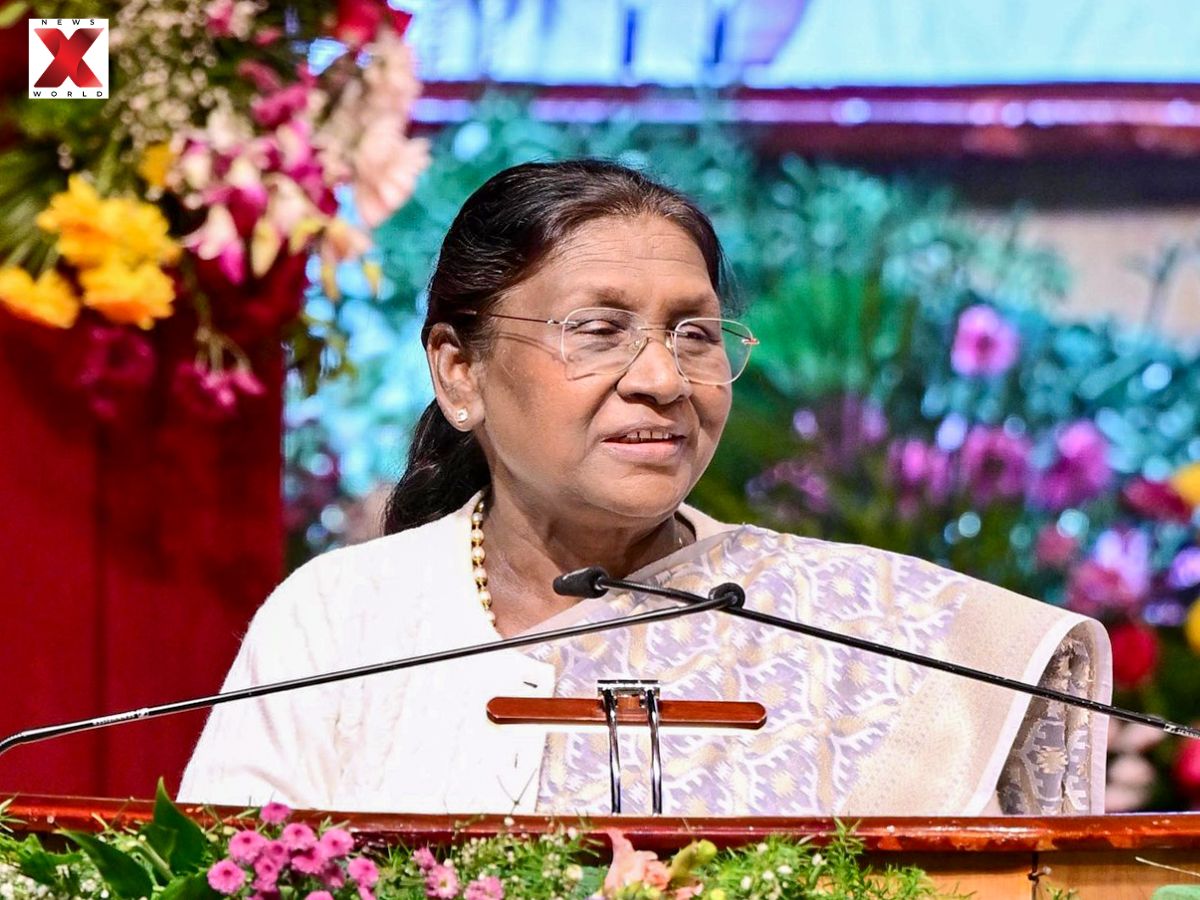
Gujarat has moved towards a common set of personal laws after President Droupadi Murmu gave her assent to the state’s Uniform Civil Code (UCC), making it the second state after Uttarakhand to secure approval for and implement a UCC. The law brings rules relating to marriage, divorce, inheritance and live-in relationships under one legal framework, irrespective of religious identity, subject to specified exemptions.
Here are 10 key provisions of the Gujarat UCC and what they mean for families and couples.
1. One Living Spouse At A Time
Under the UCC, a person cannot marry again while their existing spouse is alive. This makes monogamy a common requirement for marriages covered by the law.
2. Marriage Registration Made Mandatory
Couples will have to register their marriage within the prescribed period. Traditional ceremonies, including those followed by Hindu and Muslim families, can still be performed, but registration is required under the law.
3. Common Rules For Divorce
The UCC provides a common legal process for divorce. It also deals with issues such as maintenance and financial support during divorce proceedings.
4. No Mandatory Marriage To Someone Else Before Remarriage
A divorced person can remarry their former spouse without being required to marry another person in between. The law does not recognise such a requirement.
5. Sons And Daughters Get Equal Inheritance Rights
The succession provisions provide equal inheritance rights to sons and daughters among the applicable heirs, replacing different community-based rules with a common framework.
6. Spouse And Parents Recognised As Heirs
The law sets out a common order of succession and includes the surviving spouse, children and parents among the specified heirs.
7. Live-In Relationships Need Registration
Couples living together in a live-in relationship will have to submit a statement to the designated authority and register their relationship within the prescribed time.
8. Penalty For Failing To Register
The UCC provides penalties for failing to comply with live-in registration requirements, including a possible fine and imprisonment in specified circumstances.
9. Children From Live-In Relationships Get Legal Protection
Children born from registered live-in relationships are given legal recognition and rights relating to inheritance and maintenance. The law also provides a route for a woman to seek maintenance if she is deserted by her live-in partner.
10. Scheduled Tribes Exempt
Scheduled Tribes covered by the constitutional provisions and certain communities protected by customary practices are kept outside the UCC’s ambit. The Gujarat UCC therefore introduces common rules for several areas of personal law while retaining specific constitutional exemptions. Its practical impact will depend on how the provisions are implemented and interpreted by authorities and courts.
Also Read: Bouncer’s Body Found In Drain, Sent Wife Photo From Auto Then Vanished: Mysterious Death Sparks Murder Suspicion
Shamshad Ali is a New Delhi–based journalist with over six years of experience spanning breaking news writing, on-the-ground reporting, and editing. When he isn’t chasing headlines, Shamshad is usually exploring new destinations, discovering hidden culinary gems, and striking up conversations with strangers. Many of whom turn out to be great sources, and even better friends. He can be reached at shamshadali.dar@gmail.com.