
Vitamin D Deficiency in Winter: 7 Warning Symptoms Most People Miss
Vitamin D levels often drop during winter due to reduced sunlight exposure leading to several subtle but important health changes. Many people overlook these symptoms until the deficiency becomes severe. Here are seven early signs you should never ignore during colder months.

Dry, Dull or Itchy Skin
Low vitamin D often shows up first through changes in your skin. It can cause dryness, flaking, itchiness or a rough texture because the skin’s repair process slows down. Areas like the face, arms and legs may look dull or feel tight. If your skin stays dry despite extra moisturising, low vitamin D might be the cause.

Slow Healing Wounds or Cuts
Slow healing cuts or bruises can be an early sign of low vitamin D. The nutrient helps skin repair, so small wounds lingering longer than normal may signal a problem. If marks stay visible for days and your skin feels less resilient than before it’s worth noting.
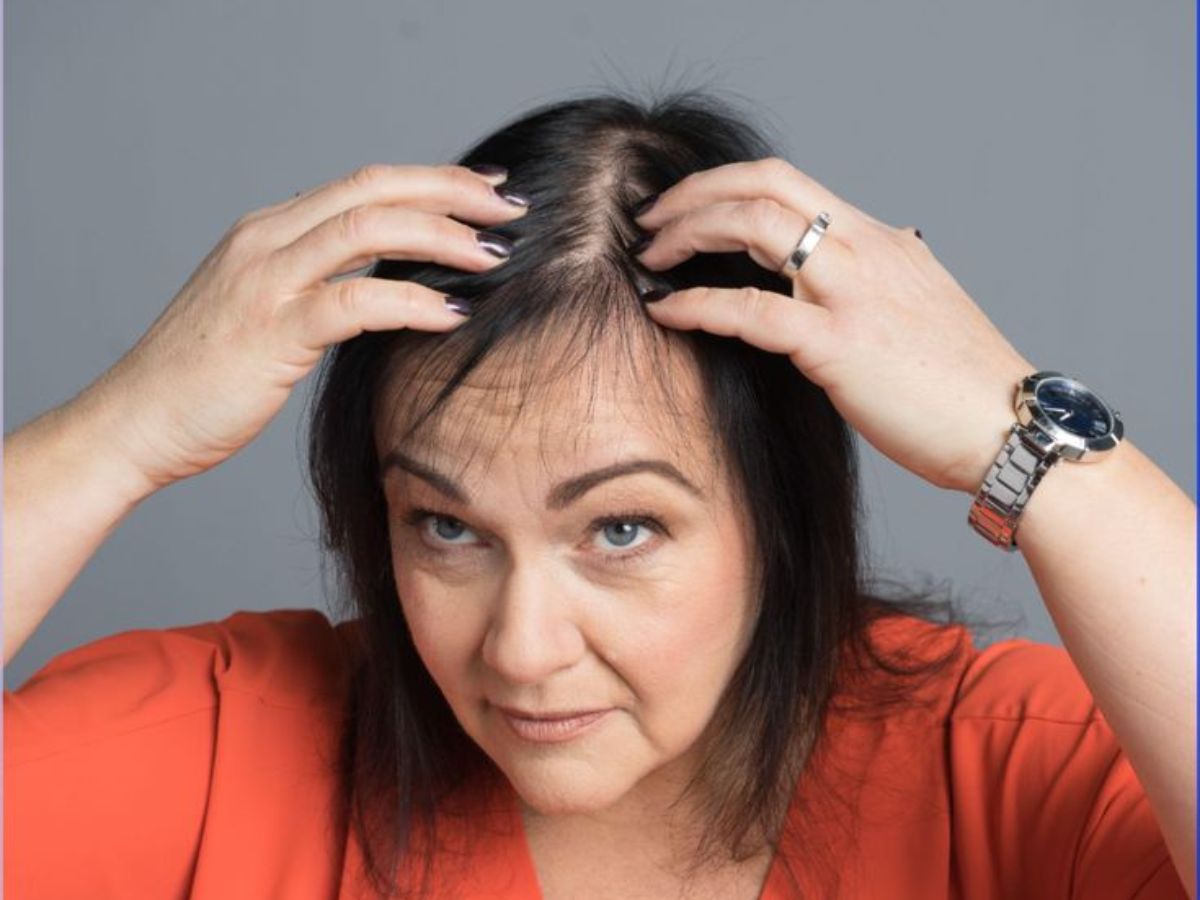
Hair Thinning or Hair Loss
Thinning hair or visible scalp patches can be an early sign of low vitamin D. The nutrient supports strong follicles, so deficiency may weaken growth and reduce volume. You might notice slower regrowth, a widening parting, or hair that looks dull and brittle. While stress and other factors can play a role of vitamin D shortage is often an overlooked cause.
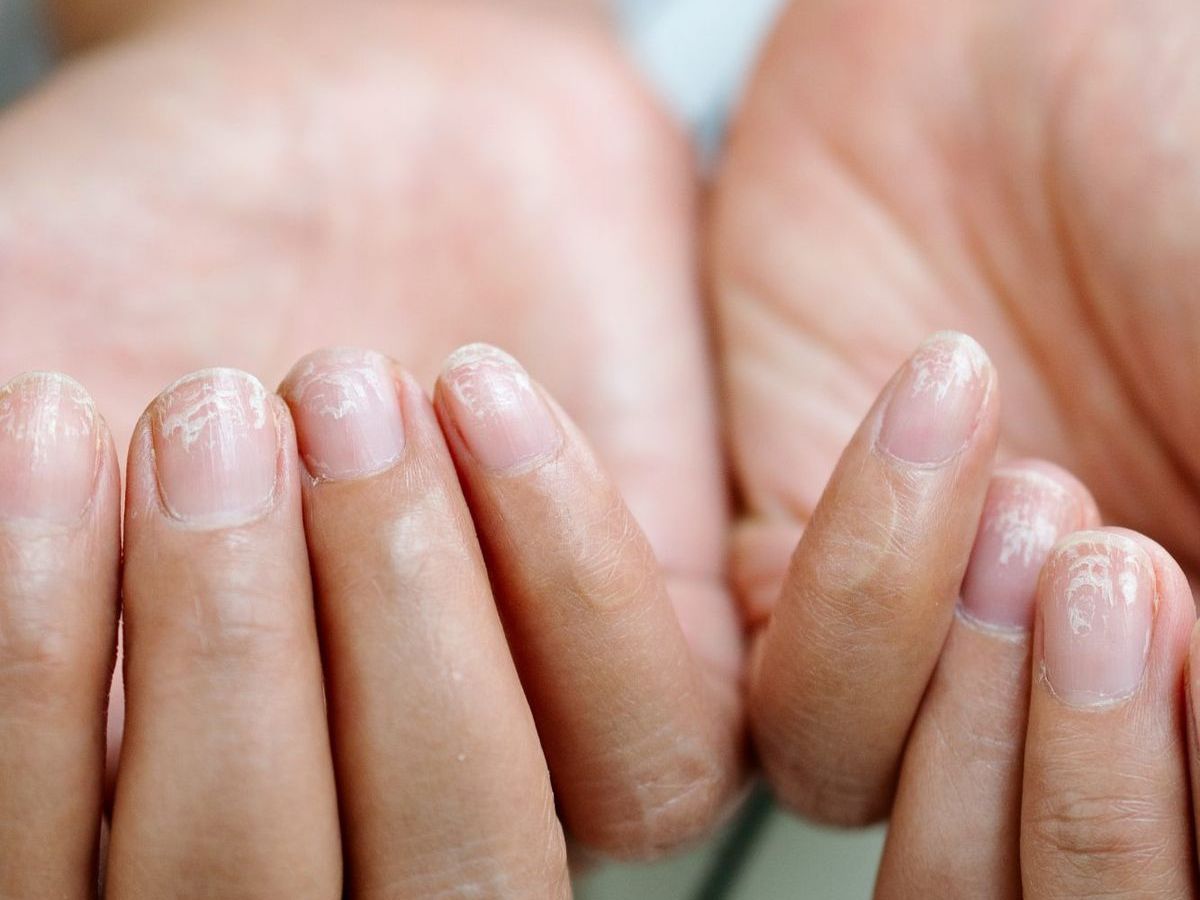
Brittle Nails or Nail Changes
Nails can also reflect low vitamin D. Deficiency may cause them to weaken, split easily or develop noticeable ridges and discoloration. If your nails feel fragile or grow slower than normal. It may indicate they aren’t getting the support they need.

Tired Looking Complexion
Low vitamin D can influence the cells that control skin colour which may affect overall brightness. People with low levels often notice a dull or uneven complexion or more breakouts and irritation. If your skin looks tired even with good habits and becomes patchy or red more easily low vitamin D may be a factor.

Back Pain and Weakness
Vitamin D deficiency weakens bones especially the spine. Persistent lower back pain can be one of the earliest signs. Many associate this with posture issues but it often signals low vitamin D.

Reduced Sweating in Adults
Vitamin D plays a role in regulating normal sweat gland function. When levels drop some adults may notice unusually low sweating even during heat or physical activity. This subtle change often goes unnoticed but can signal that the body’s vitamin D balance is off.




