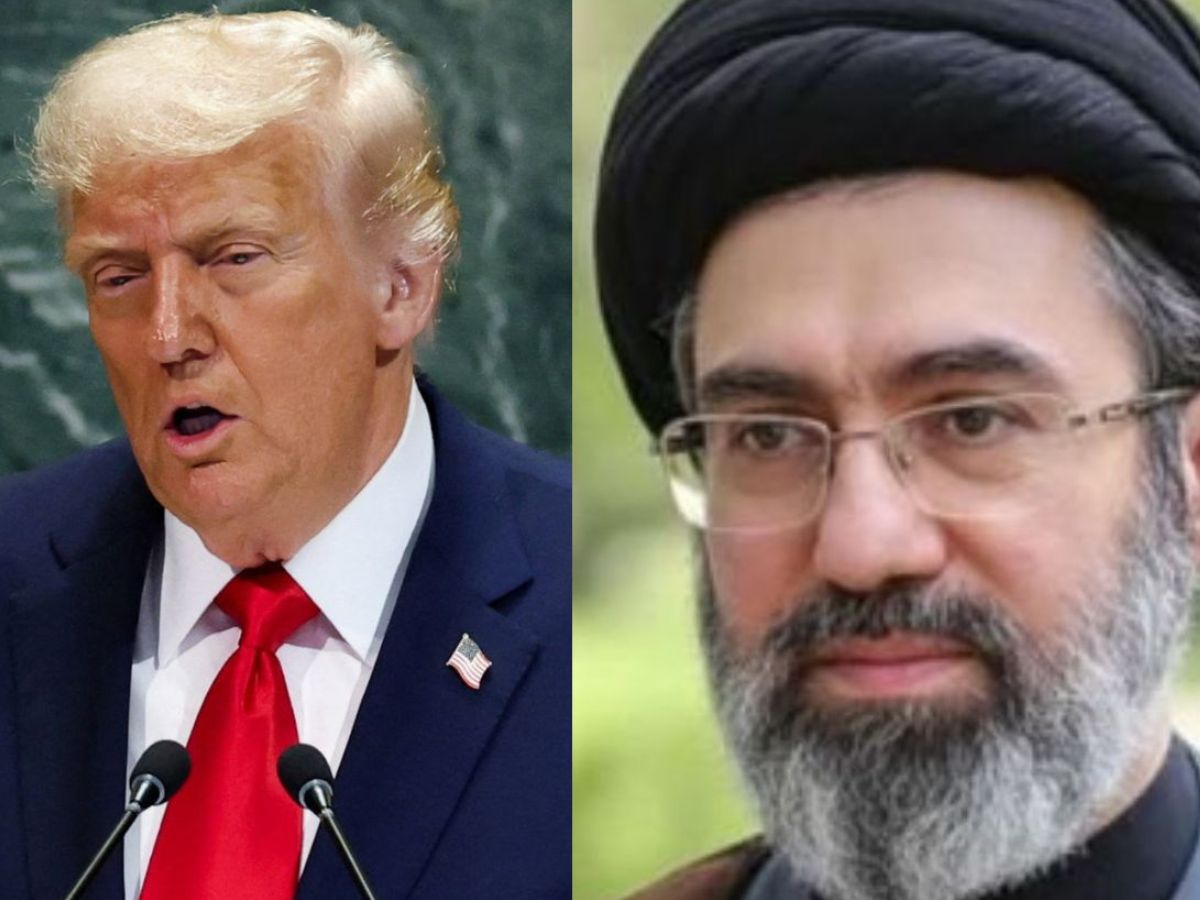
United States and Iran are now said to be close to signing a 60-day ceasefire pact to help temporarily defuse West Asian tensions and bring a measure of calm to global oil markets after weeks of backchannel talks and mediation. The proposed memorandum of understanding (MOU), which US President Donald Trump said is ‘largely negotiated’, includes reopening the Strait of Hormuz, easing restrictions on Iranian oil exports and launching fresh talks on Tehran’s nuclear programme. Officials on both sides of the table think an official statement could be made near the end of the week if any outstanding issues get cleared up.
What are the major points of the proposed US-Iran peace agreement?
- Reopening of the Strait of Hormuz: One of the most important points in the proposed agreement is, sort of the return, or revival of the strategic shipping lane of the Strait of Hormuz, where a big slice of the world’s oil supply actually passes through . During the 60 day truce window , Iran is reportedly expected to take away naval mines from the area and also allow cargo vessels to transit, without requiring them to pay passage fees, per the Axios report.
- In exchange for the Hormuz Strait opening back up, the US is likely to lift restrictions on Iranian ports and provide waivers for sanctions to permit Tehran to continue exporting oil. The transfer would relieve pressure on international crude oil prices and enhance global energy supplies as a result of the months of disruption, the MIM said.
- Discussions with Iran on its nuclear programme: Iran is said to be ready to discuss the suspension of uranium enrichment and reduction of its stockpile of highly enriched uranium. The roadmap to dismantle or transfer the nuclear material would, however, be discussed in detail during the ceasefire period.
- Three-stage peace process: The framework is said to be structured in three stages that is officially bringing the conflict in West Asia to an end; restoring security in the Strait of Hormuz, and establishing a new 30 day negotiation process for a wide ranging long term agreement between Washington and Tehran.
- The Iranian foreign funds: Tehran reportedly asked for the unfreezing of foreign assets and a general lifting of sanctions. But US officials said they would make any substantial offer once Iran makes ‘convincing’ strides in nuclear and security commitments.
- Israel-Hezbollah conflict included: The draft proposal also seeks to put an end to the conflict between Israel and Hezbollah in Lebanon. Israeli Prime Minister Benjamin Netanyahu has reportedly voiced some reservations, but US officials said they had no objections to the deal as long as Israel retained the right to take action if Hezbollah tries to rearm or fire missiles.
- Iran is staying cautious: Even if Washington is optimistic, Iran’s Foreign Ministry has declared that the negotiations are far from being over, as there are still many differences remaining.
(With Reuters Inputs)
Also Read: Trump Says Iran Peace Deal ‘Largely Negotiated,’ Strait Of Hormuz To Reopen After Major Middle East Talks
You Might Be Interested In