

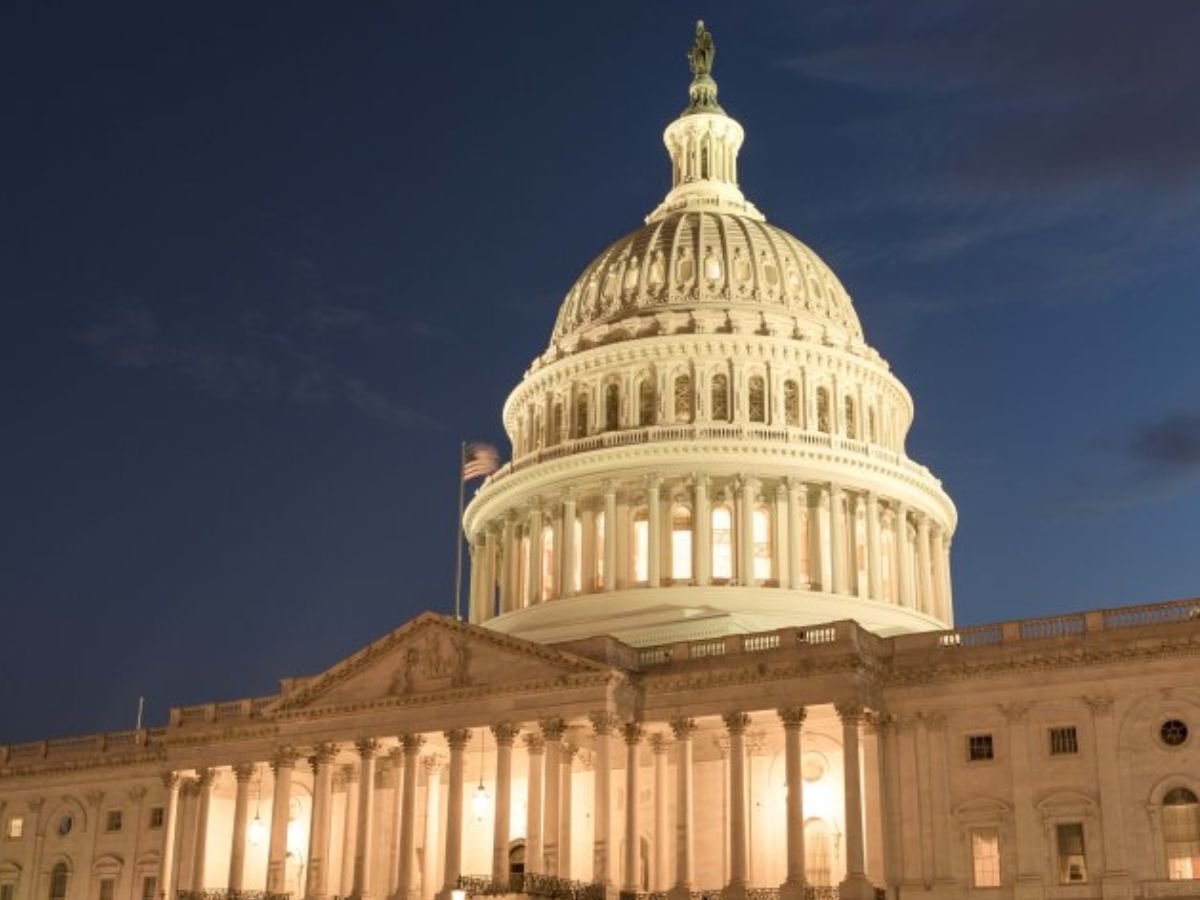
The US Senate has cleared a key hurdle in pushing forward a new sanctions bill that will have severe consequences for nations purchasing oil and natural gas from Russia and Iran, including countries like India and China. This bill, supported by an overwhelming majority of the senators, intends to put more pressure on Russia over its invasion of Ukraine and sanctions against Iran.
With the passage of this bill into law, President of the United States Donald Trump will have more authority to impose heavy fines and sanctions on nations that persist in buying Russian oil and natural gas.
US Senate Passes Russia Sanctions Bill
US Senate passed the legislation by 86-12 to overcome its first major procedural obstacle. As the bill has now been passed, it is expected to come into effect in the coming week. However, the bill is not likely to become law until September since the lower chamber has entered the August recess period.
Both Republican and Democratic parties have supported the sanctions bill, which was introduced by the late Republican Senator Lindsey Graham and Democratic Senator Richard Blumenthal.
Why India Could Be Affected by the New US Bipartisan Bill?
India has emerged as one of the biggest buyers of discounted Russian crude oil since the Russia-Ukraine war began. China is also among the largest importers of Russian energy. Under the proposed law, the US president could impose an additional 100 per cent tariff on imports from the world’s five biggest buyers of Russian oil and gas. Countries found helping Russia bypass existing sanctions could also face similar penalties.
Besides India and China, Slovakia, Hungary and Azerbaijan are among the countries that may come under scrutiny if they remain the top buyers of Russian fuel. The bill also requires the US Trade Representative to review the list of top buyers every 180 days. This means countries could move on or off the list depending on their energy purchases.
New Bipartisan Bill Gives Trump Wider Powers on Tariffs and Sanctions
One of the biggest features of the legislation is the expanded authority it gives President Donald Trump. The bill allows him to impose a massive 500 per cent tariff on Russian goods entering the US. It also authorises targeted tariffs on countries that purchase large amounts of Russian oil and natural gas or help Moscow avoid international sanctions through so-called “shadow fleets.”
At the same time, the legislation allows the president to waive sanctions if doing so is considered to be in the national interest of the United States.
Iran Sanctions Also Extended Until 2031
The bill is not limited to Russia. It also extends the Iran Sanctions Act of 1996 for another five years, keeping secondary sanctions in place until 2031. This means non-US companies doing business with Iran could continue facing restrictions under American law. Lawmakers say the move is aimed at limiting Iran’s ability to support militant groups and advance its nuclear programme. The expanded tariff powers included in the bill, however, would automatically expire after five years unless renewed by Congress.
US Passes Bipartisan Bill: Lawmakers Say India and China Are Key Energy Buyers
Those who support the bill claim that countries that are buying energy from Russia are contributing to the finances of the military actions carried out by the Russians in Ukraine.
According to Senator Richard Blumenthal, this new bill is not designed to target our allies but targets large consumers of Russian oil and gas. India and China happen to be the two biggest purchasers of Russian energy.
The bill has 62 co-sponsors and proposes primary and secondary sanctions on Russian officials, banks, oligarchs, family members of oligarchs and banks, and the so-called Russian Shadow Fleet that transports oil.
Trump and Zelenskyy Support Sanctions on Russia
Prior to the Senate vote, President Donald Trump met the president of Ukraine, Volodymyr Zelenskyy, at the White House. The latter called for maintaining economic pressure on Moscow. According to Zelenskyy, sanctions are a vital message to Russia, as well as to Europe and Ukraine. Roger Wicker, a Republican senator, supported the bill, claiming that sanctions will undermine Vladimir Putin’s war machine and support the cause of freedom.
Bipartisan Bill: Some Democrats Raise Concerns Over Expanded Tariff Powers
Nevertheless, although having received support from many politicians and organisations, the bill has received criticism from some. Democrats think that it is possible that the president gets more powers regarding the use of tariffs; it may have some negative economic effects.
Democratic Party leaders like Richard Neal and Ron Wyden pointed out that expanding the powers of the president can lead to higher uncertainties and negative consequences for businesses and citizens. These arguments can present some problems during the vote on the bill in the House of Representatives.
What This Bipartisan Bill Means for India?
This bill does not directly put sanctions on India at the moment. It just gives the president rights for the future. If the bill is passed in its actual form, it will change the situation in the energy trade sphere and may force other countries to stop buying cheap oil from Russia. As India started to buy more and more Russian oil recently, any decisions by the US can become crucial for the country’s economy and foreign policy in the future.
In general, the bill has already passed one important stage in the Senate, and further decisions about its implementation will show how it will influence India and other major buyers.
What Is the Bipartisan Bill?
The current bipartisan bill is one of the strictest laws enacted by the United States seeking to decrease the revenues made by Russia through selling energy products. The bill grants President Donald Trump authority to impose tariffs and sanctions against those countries that still purchase huge volumes of Russian oil and gas.
According to the bill, the US President may impose a 500 per cent tariff on products shipped from Russia and sold in America. In addition, the bill grants an opportunity to place a further 100 per cent tariff on the five largest buyers of Russian oil and gas and the countries that assist Russia in dodging sanctions through the use of shadow fleets.
Sudeep Singh Rawat is a Copy Editor at NewsX Digital with over five years of experience in digital journalism. He covers national and international news, with a focus on politics, crime, technology, public affairs, and trending topics. Before joining NewsX Digital, he worked with Business Standard, The Sunday Guardian, and other digital media organisations. His reporting focuses on breaking news, enterprise stories, and explainers that inform readers through accurate, balanced, and context-driven journalism.