
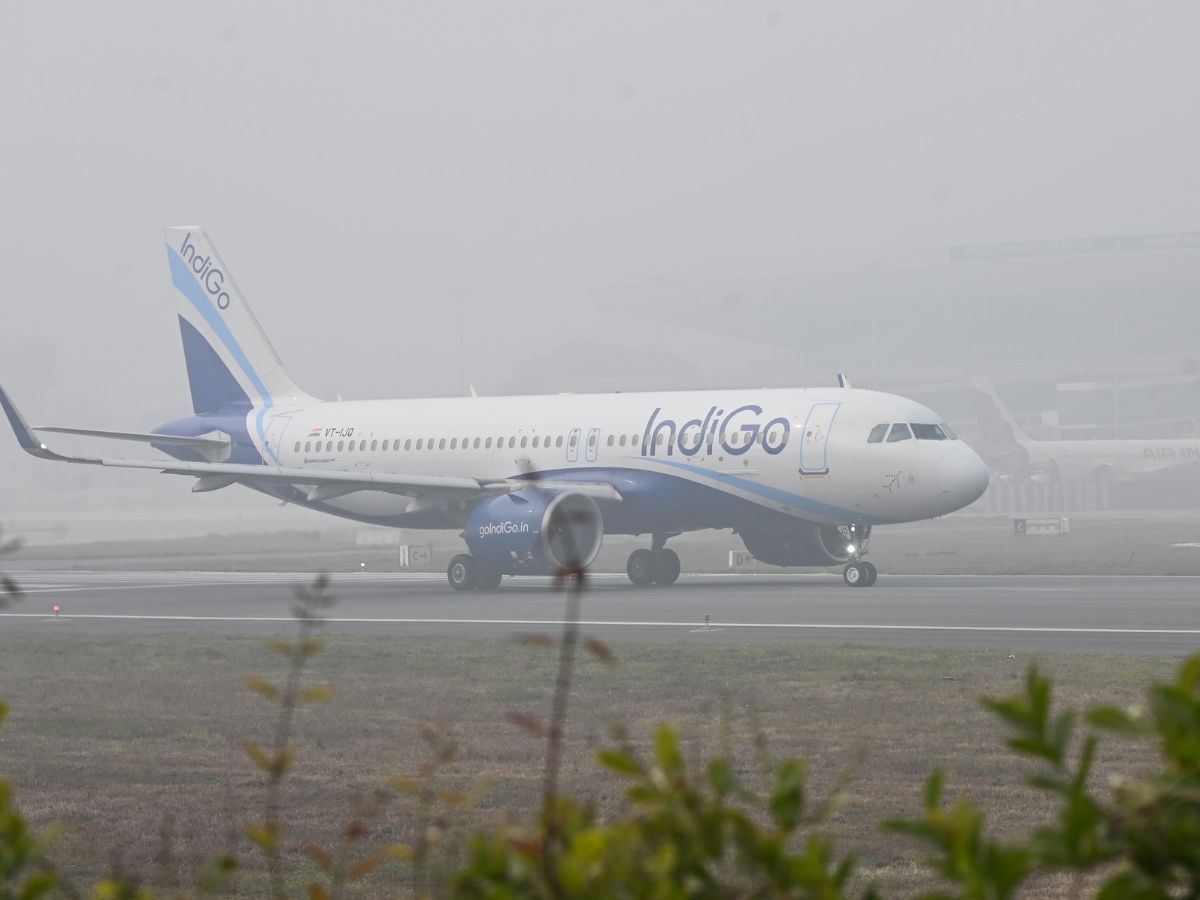

India’s largest airline, IndiGo, on Wednesday announced a revision in fuel charges for both domestic and international flights, citing a sharp surge in aviation turbine fuel (ATF) prices. The revised charges will come into effect for all new bookings made from April 2, 2026.
The move follows a steep rise in global jet fuel costs, with industry data showing over a 130% month-on-month increase in the region.
Why IndiGo Has Increased Fuel Charges
IndiGo said the revision was necessary due to the unprecedented spike in ATF prices, which significantly impacts airline operating costs.
Despite global oil prices crossing $100 per barrel, the government has allowed only a partial and staggered 25% increase in ATF prices for domestic carriers, helping cushion the impact on passengers to some extent.
Domestic Flights: New Fuel Charges Breakdown
For domestic routes, IndiGo has introduced distance-based fuel surcharge slabs:
-
Up to 500 km: Rs 275 per sector
-
501–1,000 km: Rs 400
-
1,001–1,500 km: Rs 600
-
1,501–2,000 km: Rs 800
-
Above 2,000 km: Rs 950
The airline said this recalibration aims to distribute costs more proportionately based on travel distance.
International Flights: Charges Go Up Sharply
Fuel charges for international flights have risen more significantly, as ATF prices for these operations have more than doubled in recent weeks.
Here’s the revised structure:
-
Indian Subcontinent: Rs 900 – Rs 2,500
-
GCC & Middle East: Rs 3,000 – Rs 5,000
-
Southeast Asia & China: Rs 3,500 – Rs 5,000
-
Africa: Rs 5,000 (flat)
-
Greece & Turkey: Rs 7,500
-
UK & Europe: Up to Rs 10,000
How Much More Will You Pay?
The exact increase in your airfare will depend on your route and distance. For short domestic trips, the impact remains relatively modest, starting at Rs 275. However, long-haul international travellers could see fares rise by as much as Rs 10,000 due to the revised fuel surcharge.
Government’s Role in Controlling Price Surge
The Ministry of Petroleum and Natural Gas clarified that while global fuel prices surged sharply, only a partial hike has been passed on to airlines domestically.
ATF prices for domestic airlines rose by 8.56% to Rs 1,04,927.18 per kilolitre, while international rates saw a much steeper increase of over 114%.
IndiGo Says It Has Limited the Burden on Passengers
IndiGo emphasised that it has passed on only a portion of the increased fuel costs to customers in an effort to keep air travel affordable.
The airline added that it will continue to monitor fuel price trends and may revise charges further depending on market conditions.
What This Means for Flyers
With fuel costs forming a major part of airline expenses, passengers can expect ticket prices to remain volatile in the coming months. While domestic flyers may see marginal increases, international travellers are likely to feel a sharper pinch.
Sofia Babu Chacko is a journalist with over five years of experience reporting on Indian politics, crime, human rights, gender issues, and stories about marginalized communities. She believes journalism plays a crucial role in amplifying unheard voices and bringing attention to issues that truly matter. Sofia has contributed articles to The New Indian Express, Youth Ki Awaaz, and Maktoob Media. She is also a recipient of the 2025 Laadli Media Awards for gender sensitivity. Beyond the newsroom, she is a music enthusiast who enjoys singing. Connect with Sofia on X: https://x.com/SBCism




