
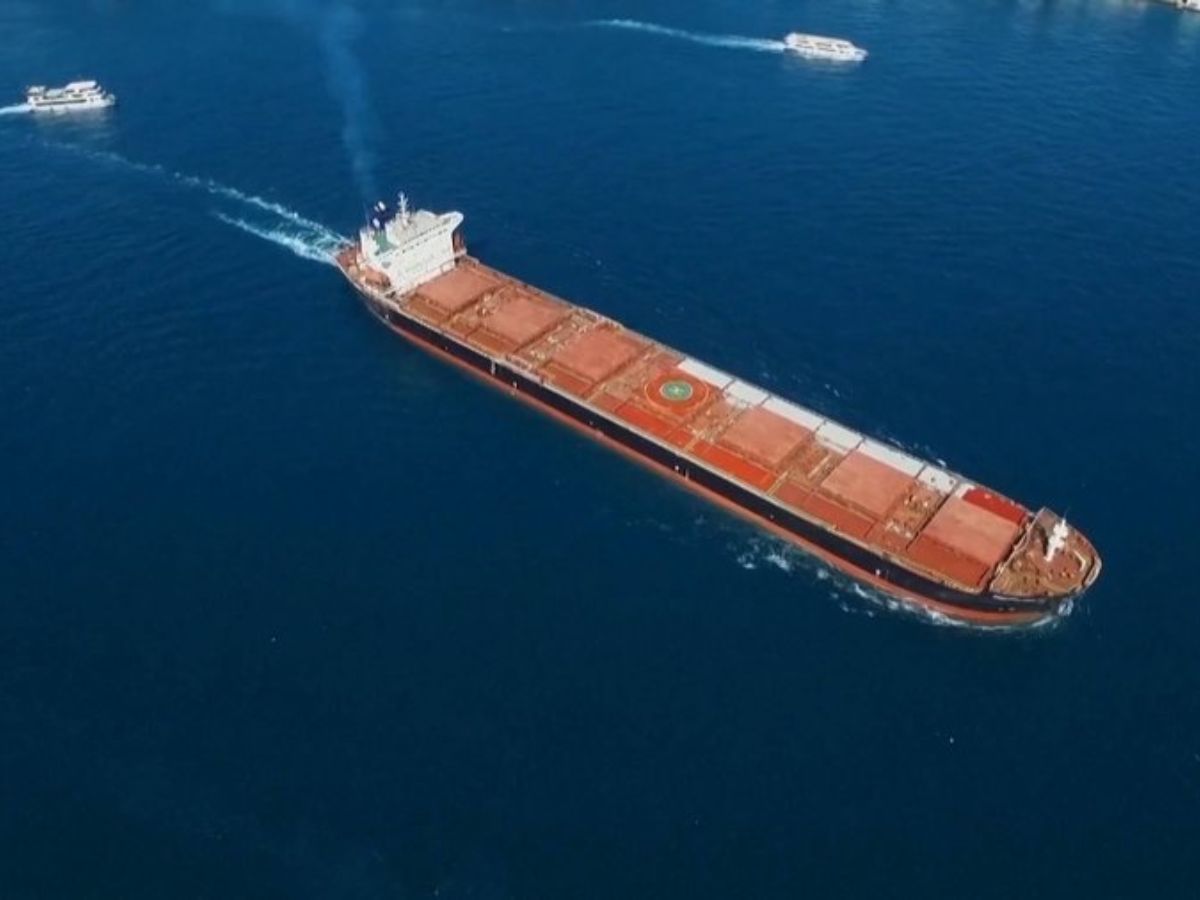

Amidst heightened geopolitical tensions throughout West Asia, the Indian government recently clarified its position with respect to ongoing speculation regarding tolls or fees for Indian vessels transiting through the strategically important Strait of Hormuz. The Indian government stated that there have been “no negotiations” with Iran regarding any such tolls or fees.
No Talks On Toll: India Clarifies Stand Amid Hormuz Crisis
The statement was made in response to ongoing speculation regarding the potential for Iran to levy a toll or fee on ships, including ships flagged by India, using the Strait of Hormuz to transit cargo.
The Indian government’s assurance helps to assuage concerns relating to Iran and the ongoing conflict, while emphasizing the importance of the Strait of Hormuz to both India and the global trade community. The Strait of Hormuz is critical to India’s energy security, as a significant percentage of oil and gas imports by India pass through this region.
Why the Strait of Hormuz Crisis is Significant for India
Since the end of February 2026, the Strait of Hormuz has been experiencing a serious crisis as tensions have escalated in the region due to events between the United States and Iran. As a direct result of these escalating conflicts, Iran has requested that vessels not affiliated with them only be allowed safe passage via the strait.
Such disruptions to commerce due to the events currently taking place in the Strait of Hormuz will impact global oil supply chains since nearly 20% of the world’s oil supply originates from countries bordering the strait. Therefore, since India heavily relies on oil imports from the Middle East, any limitation or uncertainty regarding this supply route will create potential energy and economic problems for India.
India’s Focus: Safety Of Ships, Not Any Payment Deal
India’s position on this matter is focused solely on the safety of its vessels and crew and not on payment agreements or tollways. Government sources confirmed that India is working directly with various nations, including Iran, to secure the safe transit of Indian-flagged vessels throughout the region.
Earlier reports suggested that Iran may grant limited access to ‘friendly’ nations such as India, but that any agreement would be subject to specific controlled requirements, however to-date there has been no official Israeli confirmation of any type of payment or agreement to facilitate this access.
Iran-US War: Global Trade Impact As Ships Remain Delayed
Shipping in the area has been significantly impacted by the ongoing war. There are many vessels that are delayed, rerouted or being held back because of security issues. The insurance costs have also risen dramatically, therefore increasing the risk to companies operating in the area.
Traffic through the Strait of Hormuz has decreased significantly with reports that some vessels have been attacked. Not only is this disrupting the supply of energy throughout the world but it also puts increased pressure on the global markets and creates a fear of an increase in fuel prices and a lack of supply of fuel.
India’s Diplomatic Moves And Global Efforts
As part of the broader diplomatic effort to help address the situation in the Strait of Hormuz, India has also been active in trying to help find a solution. Indian officials confirmed that Indian representatives will participate in international talks to help reopen the Strait of Hormuz and to provide a higher degree of security, as this became a global concern.
Many countries are also continuing to look at various solutions that will allow for safe passage through the Strait of Hormuz during this time of tension and continue to hold discussions regarding coordinated action, security measures and diplomatic solutions.
Khalid Qasid is a media enthusiast with a strong interest in documentary filmmaking. He holds a Master’s degree in Convergent Journalism from AJK MCRC. He has also written extensively on esports at Sportsdunia. Currently, he covers world and general news at NewsX Digital.




