
Inside India’s Superbug Crisis: How 83% Patients Carry Drug-Resistant Bacteria, A Visual Look At The Antibiotic Resistance Emergency
India is at the centre of a rapidly escalating superbug crisis, with a new multinational study revealing that 83% of Indian patients already carry multidrug-resistant organisms (MDROs). Published in The Lancet eClinical Medicine, the research shows that India has the highest prevalence of drug-resistant bacteria globally far above Italy, the US, and the Netherlands.
These superbugs, including ESBL-producing and carbapenem-resistant bacteria, render many commonly used and even last-resort antibiotics ineffective, posing a severe threat to routine medical procedures, recovery, and patient survival.
Experts warn that antimicrobial resistance (AMR) has become a national health emergency, driven by the overuse of antibiotics, repeated hospital visits, and lack of regulated drug sales. The growing presence of hard-to-treat infections in Indian ICUs, cancer centres, and even community settings means hospitals are forced to rely on stronger, more toxic drugs raising treatment costs and complications.
The study urges immediate action through strict antibiotic stewardship, responsible prescribing, regulated pharmacy practices, and enhanced screening to prevent further spread of superbugs.
This photo gallery takes you to ‘Inside India’s Superbug Crisis’.
(NB: All the photos used here are taken from Canva and X)

India at Epicentre of Superbug Crisis as 83% Patients Carry Drug-Resistant Microbes
A new Lancet study reveals that 83% of Indian patients carry multidrug-resistant bacteria—the highest worldwide. Experts warn this marks a national health emergency, urging stricter antibiotic use, regulated drug sales, and stronger infection-control measures.
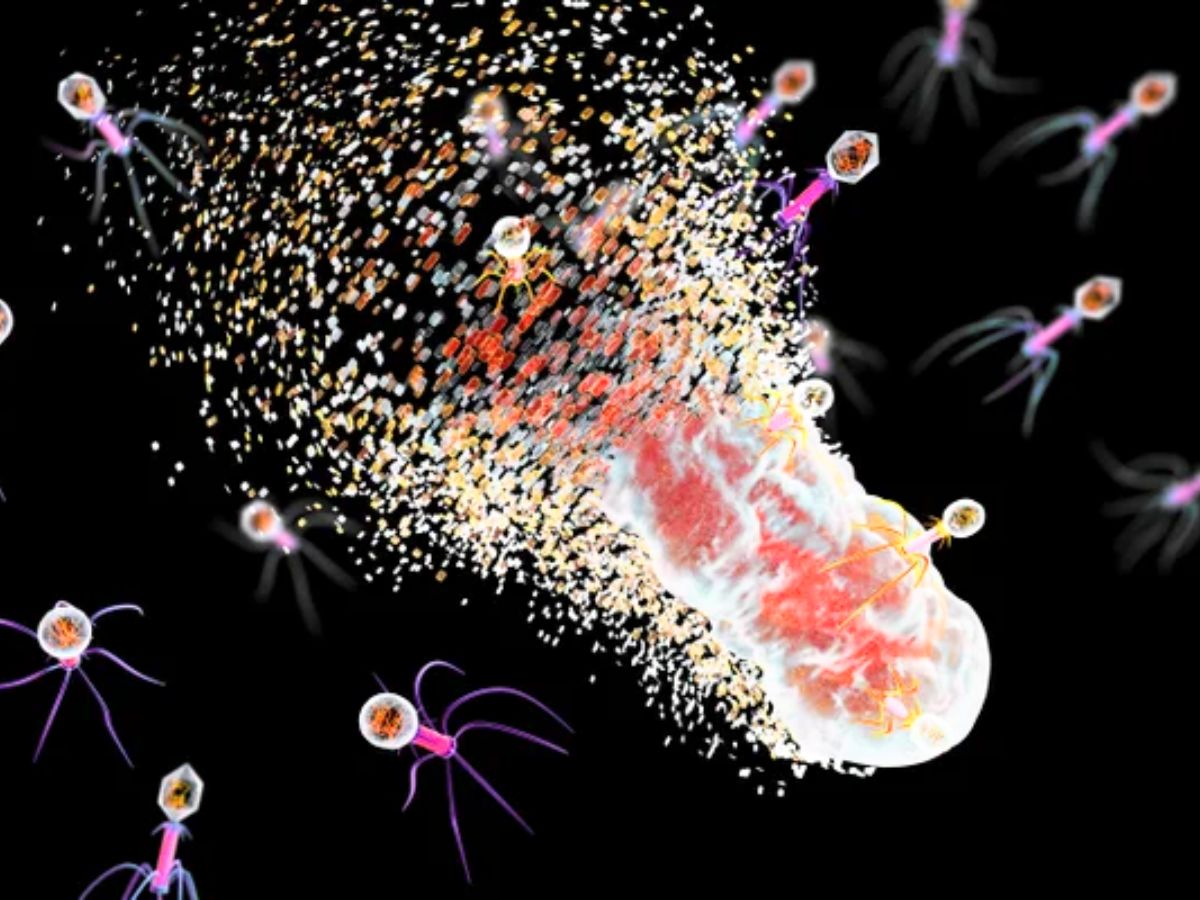
What Are Superbugs? Understanding the Bacteria That Defy Antibiotics
Superbugs are bacteria that no longer respond to antibiotics that once worked against them. Through mutations and resistance mechanisms, they survive even powerful drugs, making infections harder to treat and increasing risks during routine medical procedures.

Why Is India Facing a Superbug Explosion?
India’s superbug surge is driven by easy over-the-counter access to antibiotics, widespread self-medication and incomplete treatment courses that allow bacteria to evolve resistance. Antibiotics are also heavily overused in livestock, dairy and agriculture, accelerating the spread of resistant microbes through food and the environment. Worryingly, multidrug-resistant organisms are now appearing even among healthy people under 40, showing how deeply antibiotic misuse has penetrated everyday life.
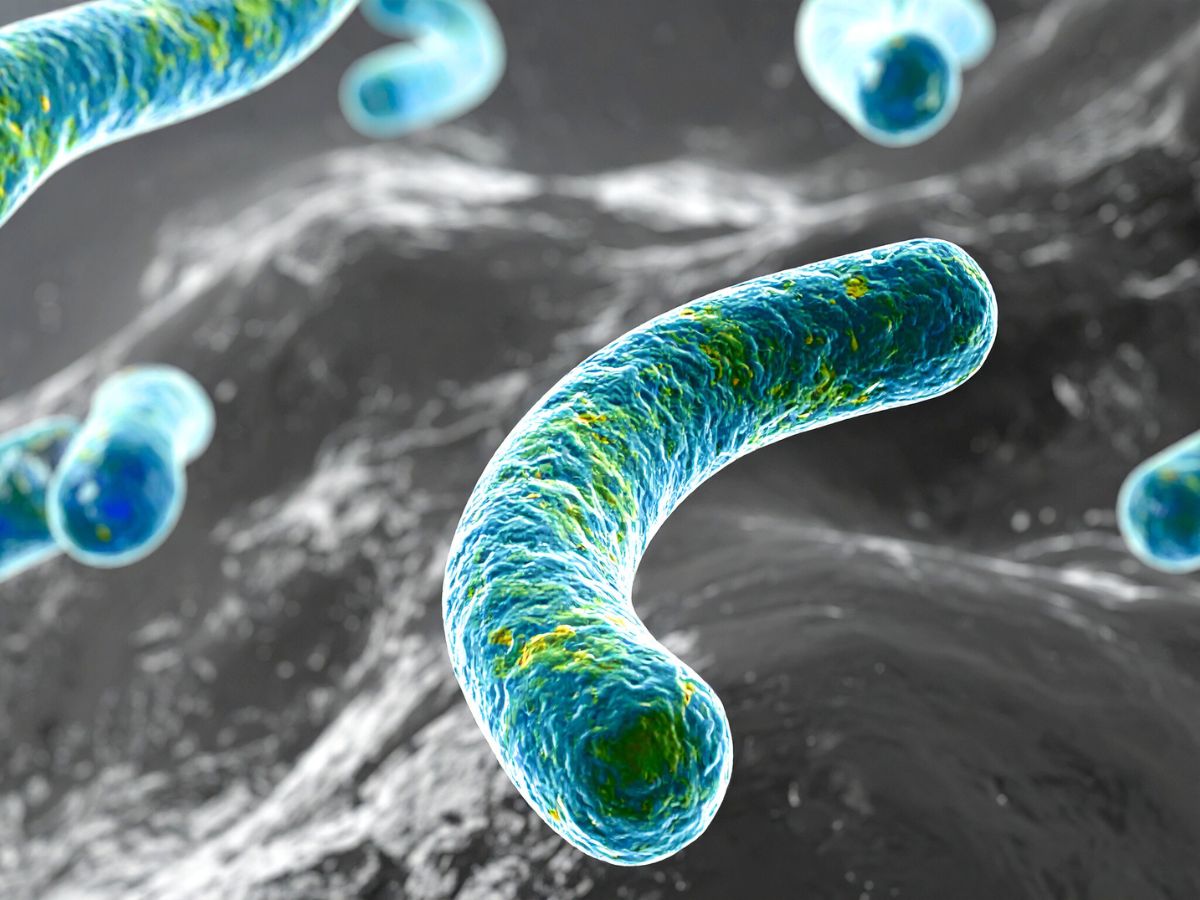
Which Superbugs Are the Biggest Culprits in India?
India’s superbug crisis is driven by a set of highly resistant bacteria that are increasingly difficult to treat. The most common are ESBL-producing Enterobacterales like E. coli and Klebsiella pneumoniae, which cause urinary tract, bloodstream and hospital-acquired infections. Carbapenem-resistant organisms (CROs) especially carbapenem-resistant Klebsiella and Acinetobacter baumannii are among the most dangerous, as they withstand even last-resort antibiotics.
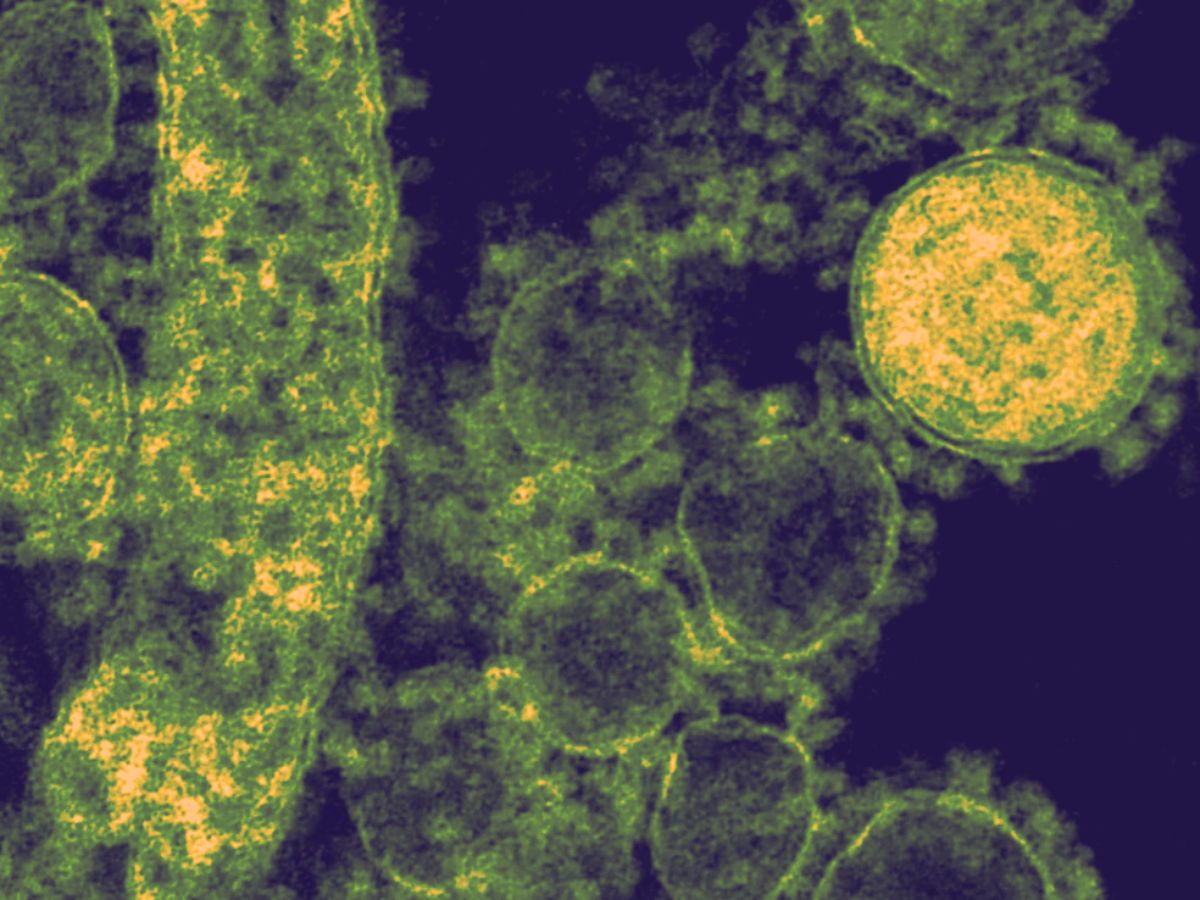
India’s Most Dangerous Superbugs: The Hidden Threats Behind the Resistance Crisis
Beyond hospital-acquired infections, India’s superbug problem is fuelled by pathogens thriving in everyday settings. Drug-resistant Acinetobacter, Pseudomonas, and MRSA are spreading through community spaces, contaminated water, food chains, and long-term care facilities. These resilient bacteria survive on surfaces, medical devices, and even in the environment, making them harder to control and easier to transmit turning routine infections into life-threatening ones.

India Hits Critical Tipping Point as 83% of Patients Carry Drug-Resistant Superbugs
Lancet study reveals that 83% of Indian hospital patients already carry drug-resistant bacteria, signalling an alarming surge in antimicrobial resistance (AMR). Experts attribute the crisis to unchecked antibiotic access, rampant self-medication, and heavy antibiotic use in dairy, poultry, and agriculture. With vulnerable groups such as those with lung disease, heart failure, or frequent antibiotic exposure at higher risk, India now stands at a dangerous crossroads in its fight against untreatable infections.




