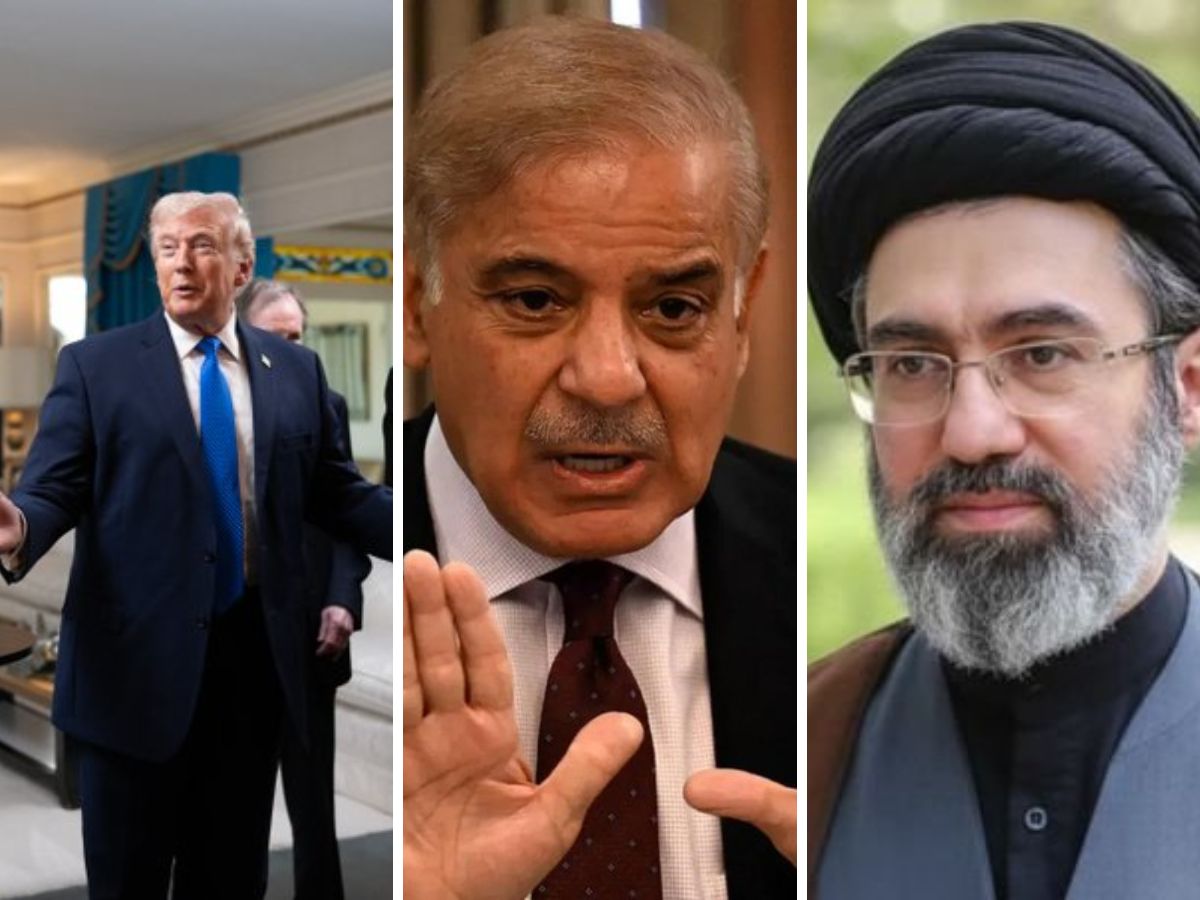
Why Pakistan IS Pushing For Peace Between US And Iran? (Image: X)
Over the past few months Pakistan has found itself embroiled in an extremely dangerous conflict occurring in West Asia, and it did not choose to enter this conflict willingly; the conflict began about late February with air strikes from The United States and Israel into Iran, resulted in Iran retaliating by targeting US military bases around the globe and destroying key Oil distribution networks including entire districts of Kuwait City, which has created panic and fear throughout many different nations, with regards to whether there will be a global economic meltdown or widespread war as a result.
In response, Pakistan has now placed itself at the forefront of trying to establish peace between Iran and the USA as an active mediator. The Prime Minister of Pakistan, Shehbaz Sharif publicly stated that we are prepared to provide diplomatic channels to facilitate dialogue and peace between all the affected parties in this conflict, and the Pakistani military has been open to speaking with the USA and directly with President Trump regarding the conflict, while also reaching out to the Iranian President Masoud Pezeshkian.
Although diplomacy and goodwill are always good reasons to try and achieve peace, Pakistan has other very valid reasons to do so as well. The urgency with which Pakistan is seeking peace is due in large part to the fact Pakistan is very much involved in this conflict, whether through politics, military involvement, or economically.
Pakistan has two major concerns that are pivotal to their anxiety regarding the situation. The first main source of anxiety for Pakistan is its defense pact with Saudi Arabia. This pact states that if an act of aggression were to occur against Saudi Arabia, it could be interpreted as an act of aggression against Pakistan and, therefore, obligate Pakistan to provide some form of assistance to Saudi Arabia as necessitated by the security agreement. Should the fighting in Iraq escalate, and Iran continue to target Saudi Arabian interests in the Gulf, it would be possible for Pakistan to be dragged into the hostilities directly.
Pakistani officials have already expressed their worry regarding Iran’s actions in this region. As Foreign Minister Ishaq Dar has stated, he has warned the Iranian government of the consequences they may suffer should they attack Saudi Arabia. He has also stressed that Pakistan must fulfil its security obligations to Saudi Arabia. These sentiments have put Pakistan in a bind. On one hand, Pakistan has a long-standing cultural and religious relationship with Iran; on the other hand, Saudi Arabia has been an important financier and supporter of the Pakistani government. This delicate balance is one of many current reasons as to why Pakistan is working so diligently for a cessation of hostilities in Iraq.
Other factors are also present. Energy imports from Gulf countries account for a large part of Pakistan’s energy needs. Since the blockage of oil imports through the Strait of Hormuz is causing concern over the economy in Pakistan, Pakistan has started a naval operation to protect its sea routes to continue importing energy.
Additionally, Pakistan has an opportunity to improve its global significance. By acting as a mediator, Pakistan will create a positive image for itself; it will demonstrate that it can act responsibly in the international diplomatic arena throughout its region. Pakistan’s relationship with both Iran and the US and its close relations with Gulf states provide it with enough credibility to be able to act as an intermediary.
There are also important internal factors to consider. Pakistan has a large Shia population and historically been sectarianly balanced. A prolonged military conflict with Iran could cause significantly increased sectarian tension within Pakistan, which is something that Islamabad would very much like to avoid.
However, mediating the conflict will be very difficult, due to the high levels of distrust created by years of unsuccessful diplomacy and continued military operations; Iran has publicly denied any discussions with the US and referred to any suggestion of negotiations as “fake news”.
At least there are reports circulating that other methods of communication remain open. Countries such as Pakistan, Turkey and Egypt are reportedly trying to sustain a dialogue between each other and an additional country. Although no formal dates or locations have been agreed upon for the potential talks, Pakistan has become the preferred location for discussion.
The facilitation of talks by Pakistan, however, seems less about aspirations and more about survival. War is being avoided by Pakistan to prevent conflicts spilling over into their borders, destabilising their fragile economy and forcing them to select sides amongst extremely volatile options.
Pakistan is currently trying to tread a fine line between honouring existing partnerships, preventing further escalation of violence and using this terrible situation as an opportunity for diplomatic resolutions. The reality is whether or not Pakistan can achieve any rendezvous, will depend largely upon whether or not Washington or Tehran can diffuse their differences and solve the issues creating conflict in the Middle East.
Khalid Qasid is a media enthusiast with a strong interest in documentary filmmaking. He holds a Master’s degree in Convergent Journalism from AJK MCRC. He has also written extensively on esports at Sportsdunia. Currently, he covers world and general news at NewsX Digital.
Donald Trump says discussions with Iran are underway, but Tehran denies direct talks and calls…
Fuel shortage fears led to panic buying across Hyderabad, with long queues and traffic jams…
Global Conflicts & Travel: Why Spiritual Journeys Like Char Dham Yatra Matter Today
New Delhi [India], March 24: In recent times, global tensions like the ongoing conflict between…
