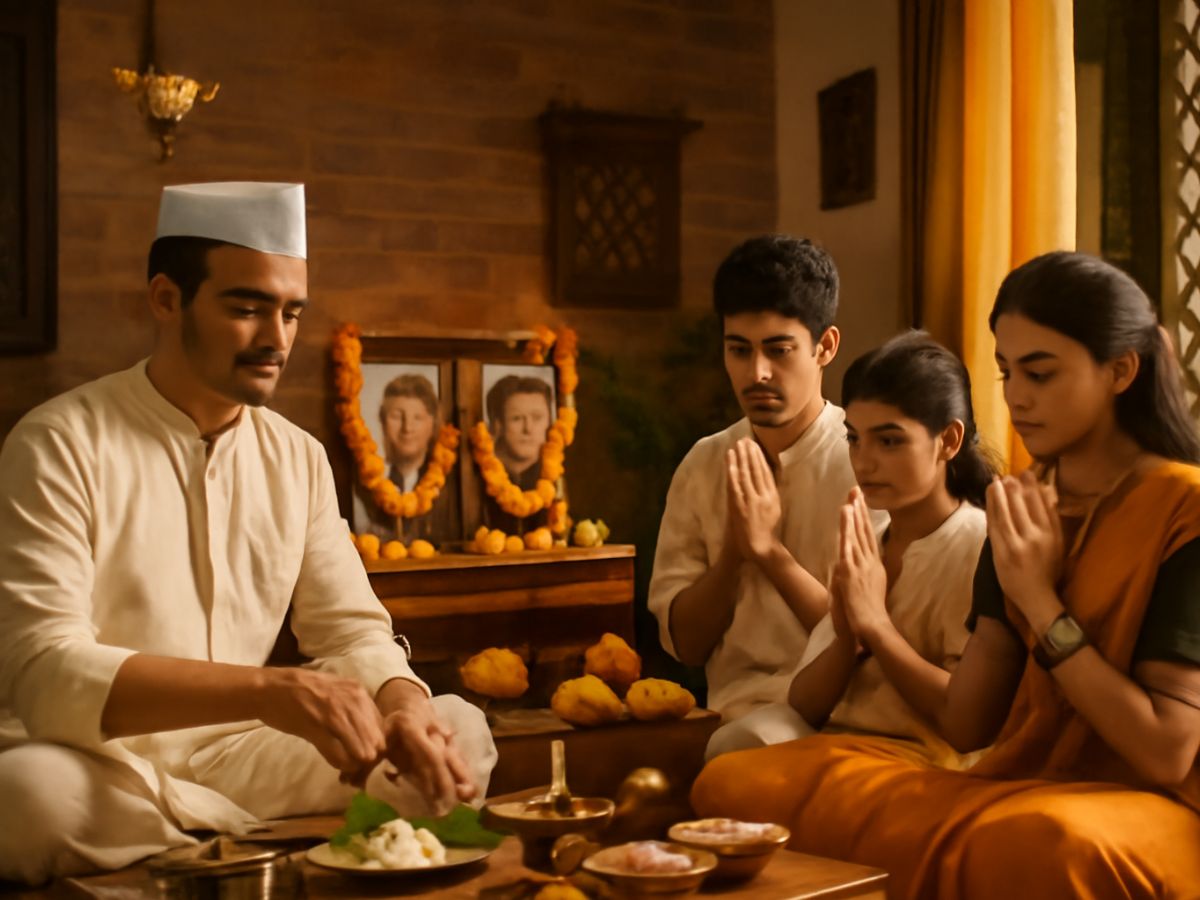
Shradh 2025 Dos and Don’ts: The Hindu religious tradition of Shradh, also known as Pitru Paksha, is 16 days ( September 7, marking Bhadrapada Shukla Purnima (Shraddha Purnima)) and culminates on September 21, on Sarvapitri Amavasya (Mahalaya Amavasya), dedicated to paying homage to one’s ancestors. This period is characterized by rituals and prayers, highlighting the deep-rooted belief in the continued presence of departed souls in Hindu culture. However, observing Shradh isn’t as easy as it seems, with a plethora of traditional customs and rules to follow. Here, we explore the dos and don’ts of Shradh, shedding light on common mistakes to avoid while observing this solemn ritual.
Shradh is a time of remembrance, gratitude, and respect towards the departed souls of family members. It is widely believed that performing Shradh rituals appeases the ancestral spirits, providing them with peace and satisfaction in their afterlife.
“Shradh rituals are the bridge that connects the living with their ancestors. It is a time to express our gratitude and respect for those who have passed away, keeping their memory alive in our hearts,” says Dr. Rakesh Tewari, a professor of Hindu Philosophy and Religion.
Shradh rituals demand utmost sincerity and devotion. It is essential to perform these rituals with a pure heart and genuine intentions. Neglecting this fundamental aspect may lead to an unsuccessful Shradh observance.
Inviting a Brahmin (priest) to perform the Shradh rituals is a common practice in Hindu households. The Brahmin is treated as a guest and is offered food and other gifts as a token of respect.
During Shradh, it is customary to avoid using onions and garlic in the food prepared for the rituals. These foods are considered tamasic (promoting ignorance) and are therefore avoided during this sacred period.
Wearing black or leather items is considered inauspicious during Shradh. It is recommended to wear clean and simple clothes, preferably white, to maintain the sanctity of the rituals.
If a baby is born in the family within the year, Shradh rituals are not performed. This is because the birth of a child is seen as a sign of ancestral blessings, negating the need for Shradh.
Performing Shradh rituals without understanding their significance can lead to common mistakes. Ignoring the prescribed time for performing the rituals, not inviting a Brahmin, or performing the rituals in a state of impurity are some of the pitfalls to avoid.
“Understanding the significance behind the rituals can help avoid common mistakes. It is important to educate oneself and seek guidance from knowledgeable elders or priests to ensure the correct observance of Shradh,” advises Dr. Tewari.
Shradh is a profound expression of respect and gratitude towards one’s ancestors, a tradition deeply rooted in Hindu culture. Understanding the dos and don’ts of Shradh can ensure that the rituals are performed with the sincerity and devotion they deserve. While mistakes can occur, knowledge and awareness can help avoid them, ensuring the peace and satisfaction of the departed souls and the blessings of the ancestors on the family.
Shubhi is a seasoned content writer with 6 years of experience in digital media. Specializing in news, lifestyle, health, sports, space, optical illusions, and trending topics, she crafts engaging, SEO-friendly content that informs and captivates readers. Passionate about storytelling, Shubhi blends accuracy with creativity to deliver impactful articles across diverse domains.
Chaitra Navratri 2026, starting March 19, honors Maa Durga’s nine divine forms. Sharing heartfelt wishes…
A bomb threat at Dick's Sporting Goods in Canton Marketplace, Georgia, triggered evacuations and heavy…
The Coyote Flats Fire near Rockerville, Rapid City, has grown to 30–50 acres amid hot,…
