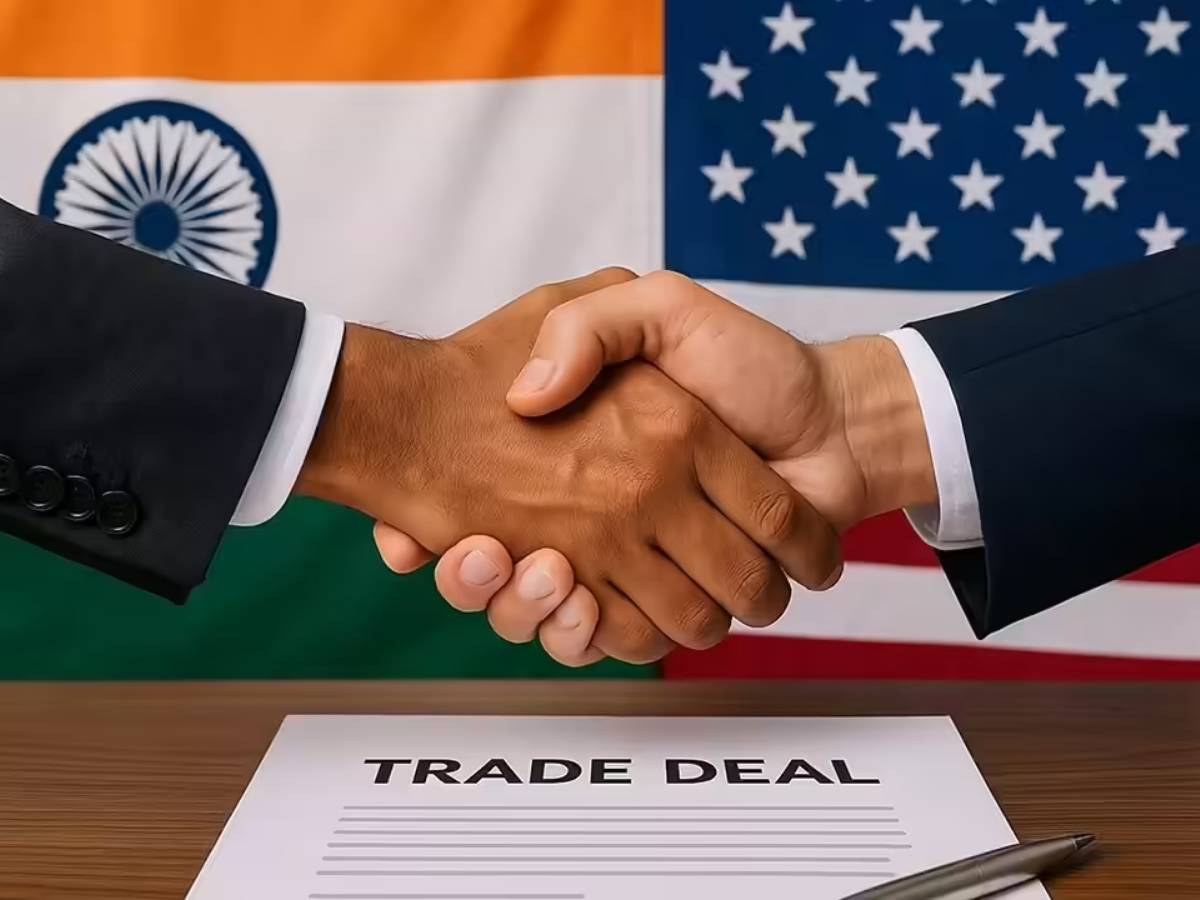
India’s Agriculture Stance Blocks U.S. Trade Deal: S&P Warns Of Economic Impact
Did you know that India’s decision to keep its agriculture and dairy markets closed to the U.S. is a major roadblock in the ongoing trade talks? According to a recent S&P Market Intelligence report, this move is all about protecting Indian farmers — a powerful political group. The report warns that if the U.S. continues to slap a 25% tariff on Indian goods beyond September 2025, India’s GDP growth could dip below 6.2% in FY 2025-26, down from 6.5% this year. Why does India hold firm? Because sectors like soy, corn, wheat, and rice need protection to avoid upsetting farmers and political stability. This stand-off means trade talks are stuck in a loop. So, how do you think India can balance protecting its farmers while pushing for better trade deals? It’s a tricky game that will shape the future of India-U.S. economic ties.
Did you know that India’s imports of Russian oil and defense equipment are creating extra challenges in the trade talks? While India is willing to increase purchases of U.S. crude oil, it resists doing so solely based on U.S. demands. Instead, India prefers to expand LNG imports from the U.S., which better aligns with its growing energy needs and helps balance trade—especially since India recorded a $45.7 billion surplus in 2024. Meanwhile, President Trump has warned of potential penalties if India continues its imports from Russia, although the specifics remain unclear.
(With Inputs From ANI)
Aishwarya is a journalism graduate with over three years of experience thriving in the buzzing corporate media world. She’s got a knack for decoding business news, tracking the twists and turns of the stock market, covering the masala of the entertainment world, and sometimes her stories come with just the right sprinkle of political commentary. She has worked with several organizations, interned at ZEE and gained professional skills at TV9 and News24, And now is learning and writing at NewsX, she’s no stranger to the newsroom hustle. Her storytelling style is fast-paced, creative, and perfectly tailored to connect with both the platform and its audience. Moto: Approaching every story from the reader’s point of view, backing up her insights with solid facts.
Always bold with her opinions, she also never misses the chance to weave in expert voices, keeping things balanced and insightful. In short, Aishwarya brings a fresh, sharp, and fact-driven voice to every story she touches.
The Federal Bureau of Investigation is searching for Kalpeshkumar Rasikbhai Patel, an Indian national accused…
Strikes on key energy sites like the South Pars gas field and Ras Laffan Industrial…
A strong western disturbance brings a sudden weather shift to Delhi. IMD issues yellow alert…
