J&K statehood bill in Lok Sabha tomorrow
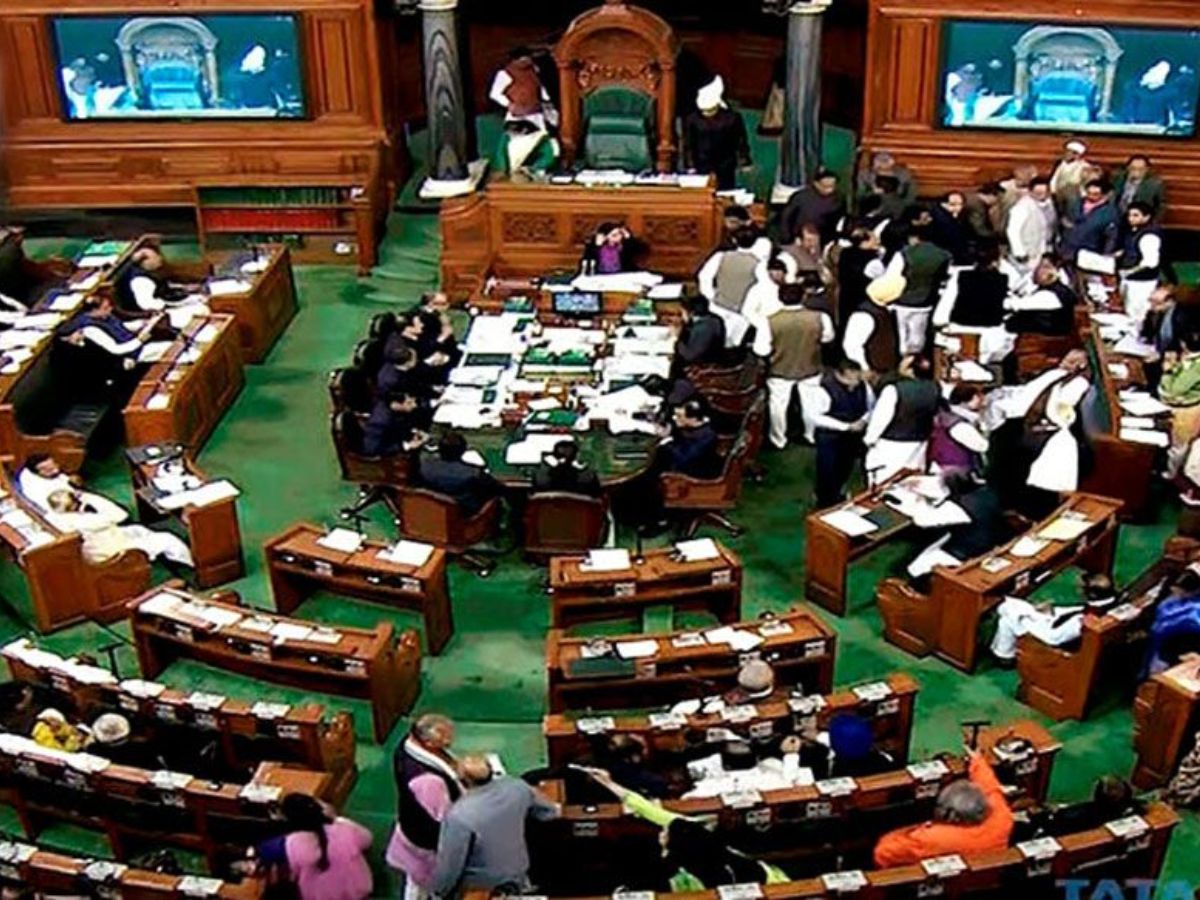
The Indian government is all set to propose a historical bill to restore statehood of Jammu and Kashmir (J&K) in the Lok Sabha on 20 August. This step is a great political shift that comes almost half a decade following the abrogation of special status to the region and its redesignation as a Union Territory.
The current bill, popularly envisioned to be called Jammu and Kashmir Reorganisation (Amendment) Bill, 2025 aims to address a promise made by the Centre long ago that it will restore the full state status of J&K when the security and developmental condition improves better.
The move comes in the wake of reorganisation of political and administrative systems, and its launch is likely to feature prominently in the current session in parliament. The enactment of the bill may see the region into the world of a democratic polity restored through a legislative authority in an elected body.
The process that started by this Jammu and Kashmir Reorganisation Act of 2019 in the month of August of 2019, which merged and bifurcated the State of Jammu and Kashmir into two Union Territories; J&K and Ladakh.
The culmination of this process is the Act. The December 2023 decision, the Supreme Court of India went beyond its ruling invalidating the abrogation of Article 370 but, in an unprecedented landmark judgment, it also struck down the decision to take away residency status to the state of Jammu and Kashmir and ordered that the Union government must restore it the status of a state, “at the earliest.”
It is through this legal order that the government has been required to act. This trend has been directly met with the current bill as it will empower the region and give it its own legislature and government and Ladakh will be a Union Territory. It is a political play between maintaining a political promise and providing ongoing management at the onset of such a transition.
It is believed that the restoration of statehood is going to have a significant effect on the political situation in J&K. It would lead to a completely elected government that would provide its people with more power to control their governance and design their policies. This would partially serve to accommodate local complaints, promote development and eventually help form more stable and inclusive governance.
But there are difficulties. The status of Union Territory was first justified because of security considerations and faster integration. The future of the bill will be determined by the long-term promise of dealing with legacies of security challenges and proper transition to a representative government. The plan of legislation is, thus, not merely a constitutional ritual but the important task on the way to the establishment of enduring peace and stability on the territories.
Also Read: Lok Sabha Passes Sports Bill And Anti- Doping Bill, Opposition Absent While The Bill Passed
A recent media graduate, Bhumi Vashisht is currently making a significant contribution as a committed content writer. She brings new ideas to the media sector and is an expert at creating strategic content and captivating tales, having working in the field from past four months.
The Election Commission of India stated on Sunday that a single round of voting for…
RBI finds no red flags at HDFC Bank, but Atanu Chakraborty’s sudden exit citing ethics…
Laparoscopy Meaning & Choosing the Best IVF Centre in Hyderabad
Starting a family is one of the most personal journeys a couple can take. When…
