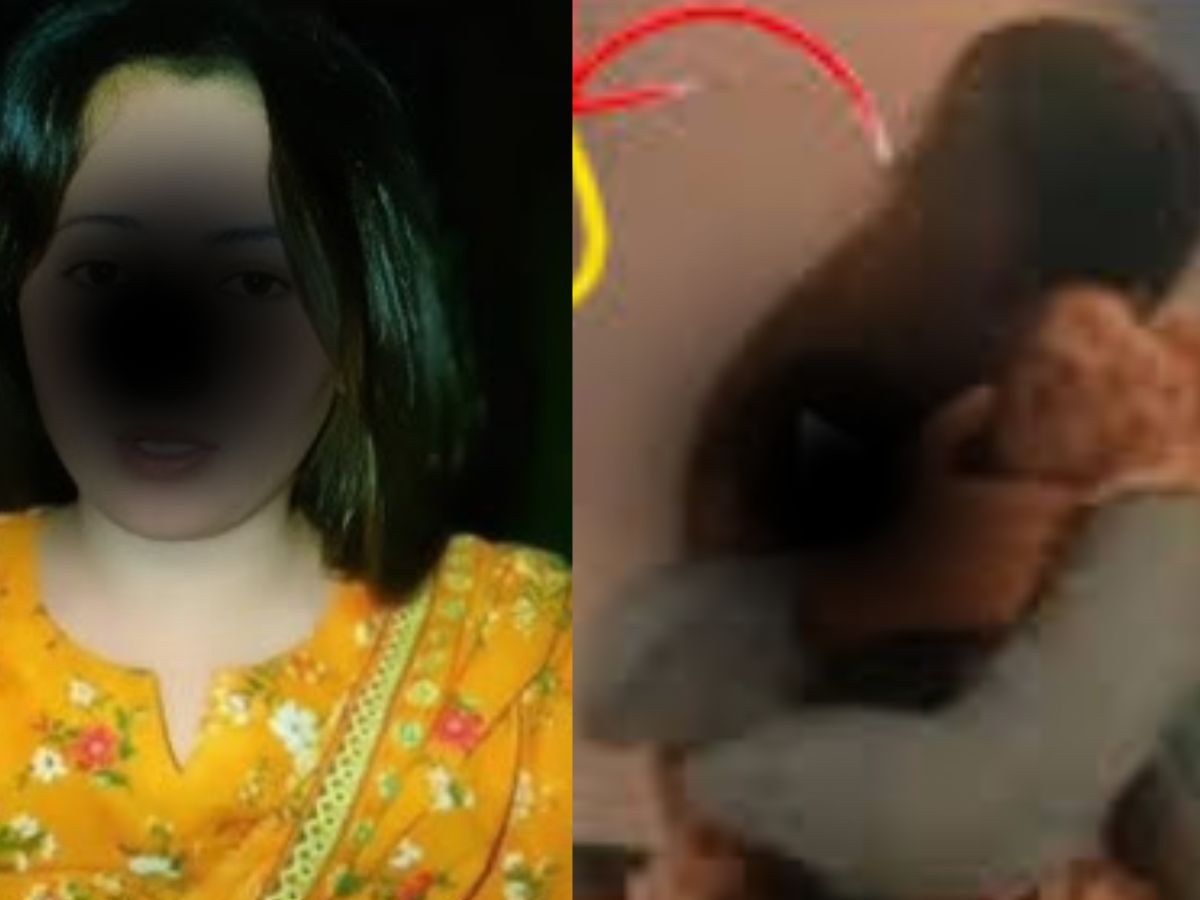
Fake Sara Baloch viral MMS and Angel Nuzhat clip links spark phishing scam. (Image Credit: X)
A fresh wave of phishing scams is exploiting viral controversies linked to influencers such as Angel Nuzhat and Sara Baloch, with cybercriminals circulating fake “MMS” links designed to hack devices and steal personal data.
What began as online chatter around an alleged obscene clip soon escalated into a cross-border scam campaign. While the case involving Sara Baloch is reportedly tied to a serious criminal investigation in Balochistan, fraudsters have twisted the narrative to target social media users in India and Bangladesh. Sensational posts referencing a so-called “Assam viral video” are now being widely shared across WhatsApp, Telegram and Facebook.
According to reports from Pakistan, Sara Baloch was allegedly harassed and blackmailed by a group of men who filmed and circulated objectionable content in an attempt to extort money. After a complaint was filed, police arrested three suspects Akmal Dagho, Paidal Jhakarani and Molabakhsh Jhakarani as part of an extortion ring. Digital forensics teams are tracking the circulation of the clip.
However, cybersecurity analysts warn that many of the viral links currently circulating have no connection to the actual case. Instead, they are phishing traps disguised as “full viral video” access links.
Cyber experts say the scam typically unfolds in three stages:
1. The Hook:
A blurred thumbnail and dramatic caption such as “Shocking Assam Incident” or “Watch Before It’s Deleted” is used to spark curiosity.
2. The Redirect:
Clicking the link leads users through multiple suspicious websites instead of a legitimate news source.
3. The Payload:
Users are asked to “verify age” or log in with social media credentials. In some cases, malware, spyware, or adware is silently installed. Login information may also be harvested for financial fraud or account hijacking.
Experts describe this as a “localisation tactic,” where scammers insert regional keywords like “Assam” to make the content appear urgent and relevant to Indian users.
Cybersecurity professionals highlight several warning signs:
Context mismatch: A Pakistani influencer suddenly linked to a local Assam controversy.
Suspicious URLs: Strange domain names, excessive pop-ups, or shortened links.
‘Share to Unlock’ prompts: Requests to forward the link to WhatsApp groups before viewing content.
Age verification traps: Pages asking for social media logins or OTP details.
If a link appears overly sensational or emotionally charged, it is likely engineered to override caution.
If you have interacted with such a link, take immediate action:
Do not forward the message further.
Clear your browser cache and cookies.
Scan your device with updated antivirus software.
Revoke suspicious app permissions in phone settings.
Enable two-factor authentication (2FA) on social media, email and banking apps.
Change passwords immediately if login details were entered.
Authorities warn that sharing, forwarding, or promoting morphed or explicit videos even unknowingly can attract legal action under cybercrime and IT laws in both India and Pakistan. Circulating such content not only fuels harassment but may also expose individuals to prosecution.
The controversies surrounding Angel Nuzhat and Sara Baloch highlight a disturbing pattern: viral scandals are increasingly weaponised by scammers to launch phishing campaigns. Cyber experts stress that digital awareness remains the strongest defence.
Before clicking on any “viral MMS” link, verify the source through credible news outlets. In the age of instant sharing, a moment of caution can prevent identity theft, financial loss, and legal trouble.
Sofia Babu Chacko is a journalist with over five years of experience reporting on Indian politics, crime, human rights, gender issues, and stories about marginalized communities. She believes journalism plays a crucial role in amplifying unheard voices and bringing attention to issues that truly matter. Sofia has contributed articles to The New Indian Express, Youth Ki Awaaz, and Maktoob Media. She is also a recipient of the 2025 Laadli Media Awards for gender sensitivity. Beyond the newsroom, she is a music enthusiast who enjoys singing. Connect with Sofia on X: https://x.com/SBCism
Peshawar Zalmi vs Hyderabad Kingsmen Highlights: Following Peshawar Zalmi’s win over Hyderabad Kingsmen on April…
A fragile ceasefire between the United States and Iran, reportedly brokered by Pakistan and China,…
A drug dealer dubbed the "Ketamine Queen" was sentenced on Wednesday to 15 years in…
