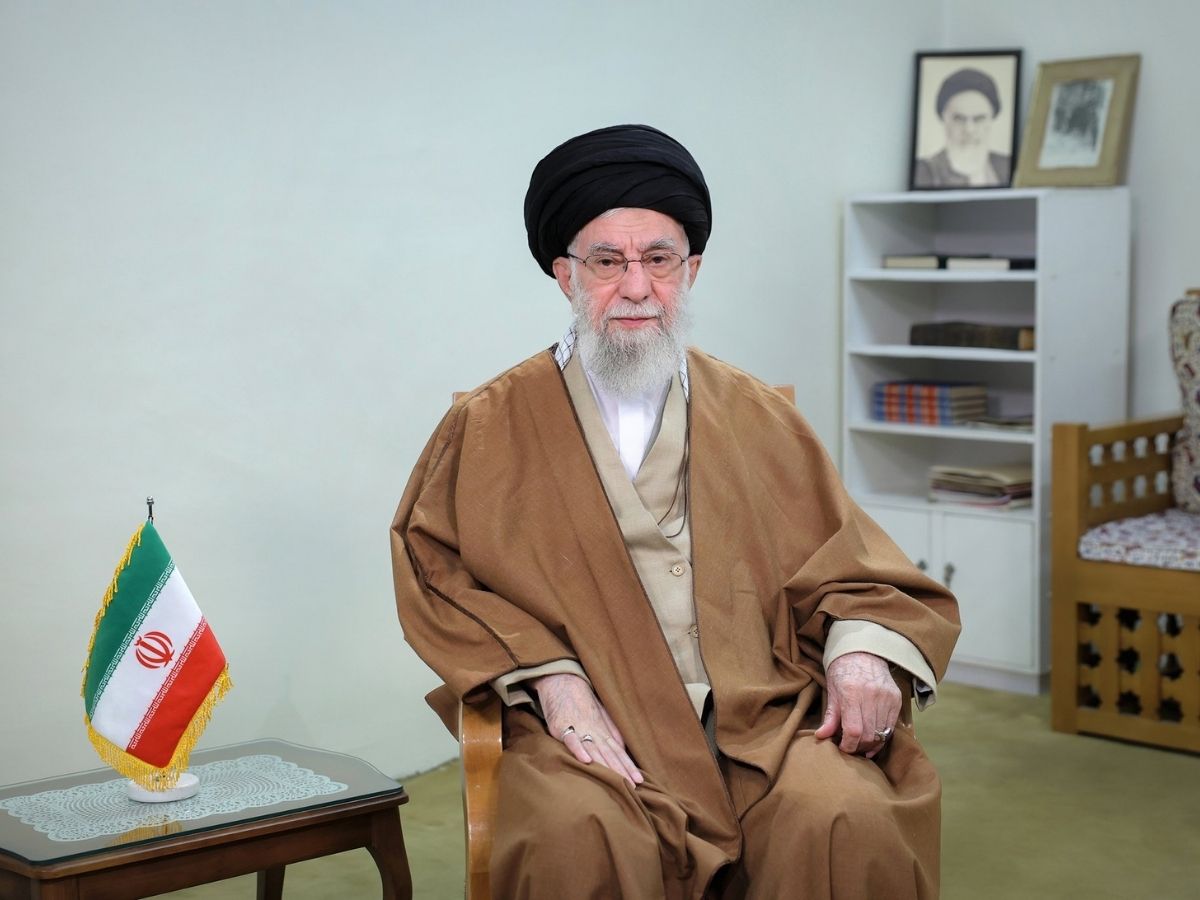
Iran said the corridor would enable NATO to position itself between Iran and Russia
Iran has vowed to block a planned transport corridor in the Caucasus that forms part of a United States-brokered peace accord between Azerbaijan and Armenia — a deal welcomed by several regional states as a step toward lasting stability.
Ali Akbar Velayati, senior adviser to Iran’s supreme leader, said on Saturday that Tehran would stop the project “with or without Russia,” its strategic ally alongside Armenia. He accused Washington of seeking to impose its influence in the region, claiming US President Donald Trump “thinks the Caucasus is a piece of real estate he can lease for 99 years.”
The corridor — a central feature of the peace agreement signed at the White House on Friday — would connect Azerbaijan to Nakhchivan, an Azerbaijani exclave bordering Turkiye. Running through Armenian territory near Iran’s border, it would be named the Trump Route for International Peace and Prosperity (TRIPP) and operate under Armenian law, with exclusive US development rights.
Velayati denounced the initiative as “political treachery” designed to undermine Armenia’s territorial integrity, warning it would not become “a gateway for Trump’s mercenaries” but “their graveyard.” He also alleged it would pave the way for NATO to position itself “like a viper” between Iran and Russia.
In a separate statement, Iran’s foreign ministry welcomed the peace agreement in principle but cautioned against any foreign-backed projects close to its borders. Such initiatives, it said, must respect national sovereignty and territorial integrity and be free from outside interference.
Russia’s Foreign Ministry also reacted cautiously. While expressing support for measures that promote stability and prosperity in the Caucasus — including the Washington talks — it echoed Iran’s concerns about external involvement. “The participation of non-regional players should strengthen the peace agenda, not create new divisions,” Moscow said, warning against repeating the “unfortunate experience” of Western-led conflict resolution efforts in the Middle East.
The US-brokered deal has been hailed by Azerbaijan and Armenia’s Western partners as a breakthrough in ending decades of hostilities. However, opposition from Tehran — and unease in Moscow — underscore the geopolitical sensitivities surrounding new trade and transport routes in a region where global and regional powers vie for influence.
Also Read: Historic: Armenia and Azerbaijan Ink Peace Deal Backed by United States
Eid moon sighting in India on March 19; Chand Raat tonight if seen. Check city-wise…
Yuvarambh 2026: Building Real Pathways for Youth Entrepreneurship
Platform brings youth, industry and incubators together to explore entrepreneurship as an emerging livelihood pathway…
Yuvarambh 2026: Building Real Pathways for Youth Entrepreneurship
Platform brings youth, industry and incubators together to explore entrepreneurship as an emerging livelihood pathway…
