
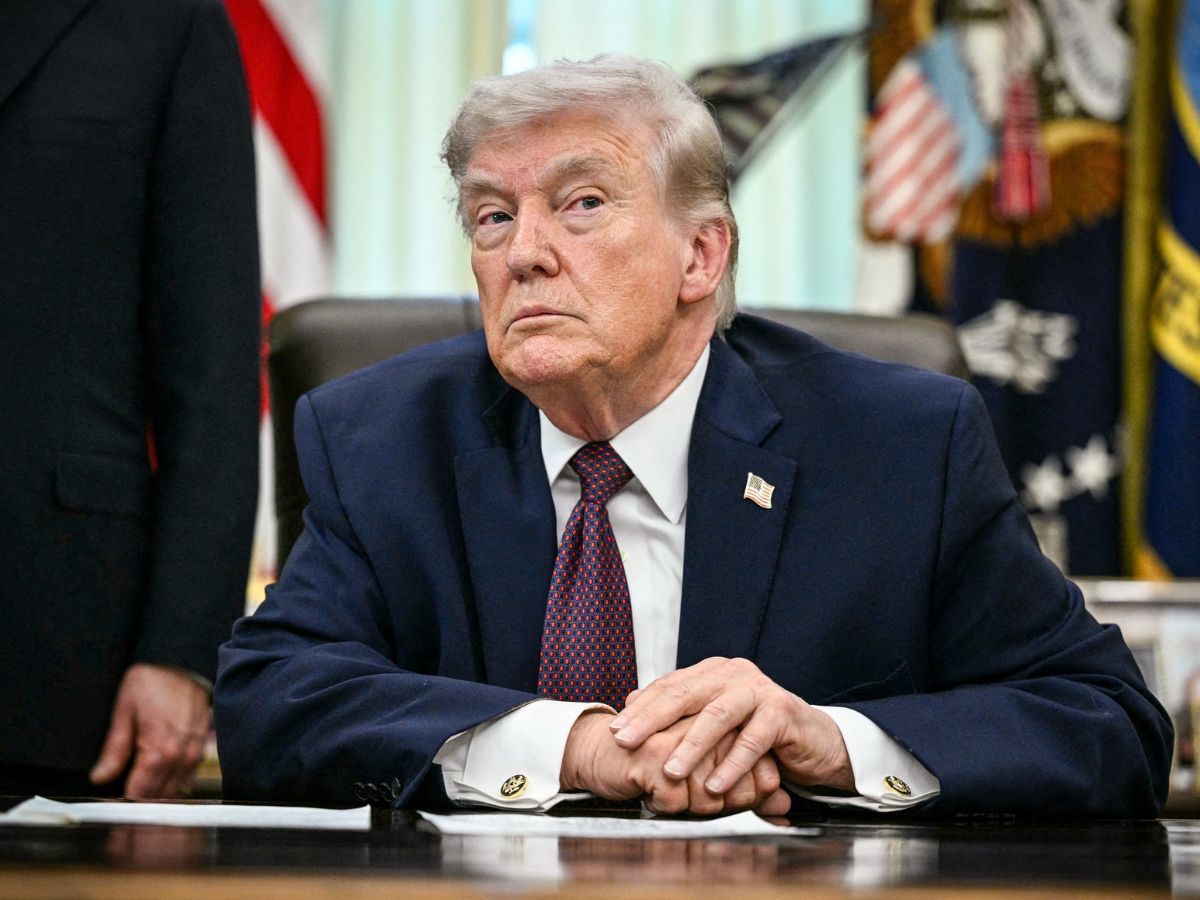

A sharp escalation in West Asia tensions has put global energy routes under threat, with Iran issuing a strong and direct warning to the United States. The statement, aimed at Donald Trump, has added a new layer of uncertainty to an already volatile situation, raising concerns over oil supply, shipping security, and the risk of a wider conflict.
War Pushes Hormuz to the Brink
The warning comes amid the ongoing Iran-US conflict, which has led to the effective closure of the Strait of Hormuz—a crucial global transit route handling nearly 20% of the world’s oil supply. Iran has restricted maritime movement and warned vessels linked to the US and its allies, severely disrupting global energy supply and shipping routes.
Trump’s Pressure and Iran’s Response
President Trump has repeatedly demanded that Iran reopen the strait, warning of possible strikes on Iranian oil infrastructure if it fails to comply. However, Iranian leadership has pushed back strongly, rejecting US pressure and indicating that any reopening would be on its own terms, not under American influence.
Conflicting Signals on Reopening
While US officials maintain that the Strait of Hormuz will reopen “one way or another,” either through diplomacy or military action, Iran’s stance suggests selective access and continued resistance. Trump has also hinted that the waterway could reopen naturally if the US withdraws from the conflict, signaling a possible shift in strategy.
Global Impact and Rising Concerns
The crisis has already shaken global energy markets, with oil prices surging and fears of supply shortages intensifying. The blockade is considered one of the most serious disruptions to global energy flow in decades. With military tensions still high and diplomatic efforts uncertain, the future of the Strait of Hormuz remains a critical flashpoint in the ongoing conflict.
( Inputs from ANI and Reuters )




