
Wall Street vs Homebuyers: Trump’s Order Signals Crackdown on Big Investors
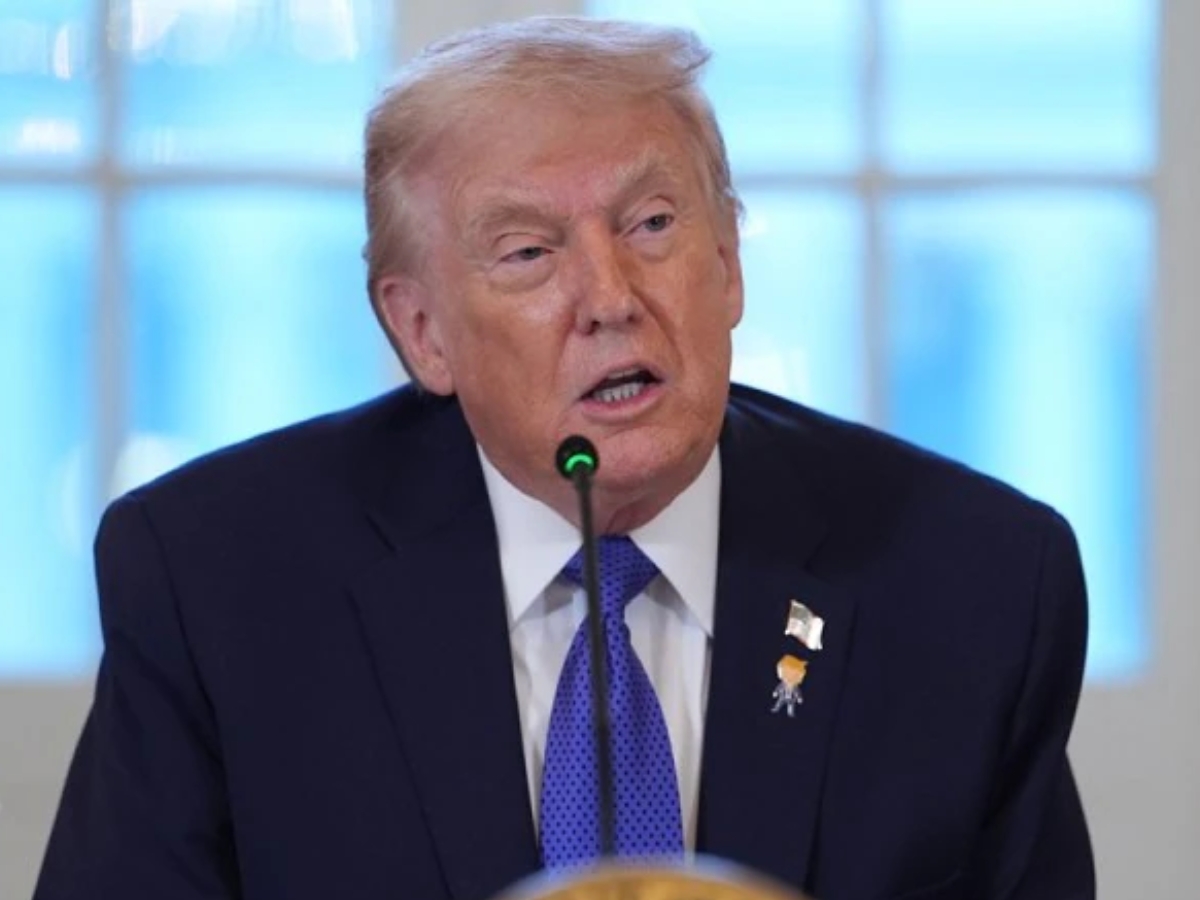
President Donald Trump has taken a new position in the housing affordability discussion by signing a new executive order prohibiting large institutional investors from purchasing single-family homes. The move, just before Trump’s trip to the World Economic Forum in Davos, is a signal of strategy rather than quick action. The order does not impose immediate restrictions; instead, it starts a policy process where federal agencies will be asked to identify who is a “large investor” and what constitutes a “single-family home.”
The message is still strong: it might soon be much harder for the deep pockets of Wall Street to outbid first-time buyers. For those aspiring to own a home and grappling with rising prices, this has the potential to be the first step toward a more just struggle.
Defining the Line: Government Moves To Curb Corporate Grip on Single-Family Homes
Delving into the intricacies of Trump’s executive order reveals the real action. The Treasury Department has a one-month window to determine what qualifies as a “large institutional investor” and a “single-family home.” Within 60 days, federal agencies will explore making it impractical to insure, guarantee, or securitize such homes when purchased by large entities. The motive is clear: to help individual buyers get back into the game. In Trump’s words, “Homes are for people, not corporations.” Along with antitrust reviews involving the Justice Department and the FTC, Wall Street’s housing buying spree may soon come under tighter scrutiny.
Markets Jolt As Housing Policy Uncertainty Spooks Builders And Big Investors
The announcement made by Trump was like an earthquake in the housing and financial markets, shaking homebuilders and large investors alike. The S&P 1500 Homebuilding Index declined as investors voiced concerns about the possibility of stricter rules on institutions owning single-family homes. Shares of major companies such as Blackstone Inc., Toll Brothers, Invitation Homes, KB Home, and PulteGroup fell, signalling market anxiety that the purchasing power of deep-pocketed buyers could be curtailed.
Markets are averse to uncertainty, and the lack of immediate clarity on the scope of the policy only added to the pressure. The message to investors was clear: housing policy has become a significant political risk factor.
Housing Market Pressures
- Home prices surged and mortgage rates nearly doubled after the COVID-19 pandemic
- Higher borrowing costs and affordability concerns have slowed home sales
- Housing supply remains tight due to years of underbuilding
- Builders have turned cautious amid uncertain demand
- The median age of first-time homebuyers has risen to 40, making ownership harder for younger Americans
Institutional Investors: Not the Main Culprit
- The National Rental Home Council says professional single-family rental firms own less than 1% of US homes
- Experts argue institutional investors are not the primary cause of the housing shortage
Other Housing Proposals Being Explored
- A 50-year mortgage proposal, largely rejected by the housing industry
- Portable mortgages, which would allow loans to move with buyers
- Penalty-free withdrawals from retirement accounts to help fund down payments
Who’s in the Crosshairs? “Mom and Pop” Owners vs Big Institutional Homebuyers
| Aspect | “Mom and Pop” Investors | Large Institutional Investors |
|---|---|---|
| Who they are | Individuals or families owning a few homes, often for retirement or rental income | Corporations and Wall Street firms with large housing portfolios |
| Policy impact | Not targeted by the proposed rules, as clarified by Treasury Secretary Scott Bessent | Primary focus of the executive order and potential restrictions |
| Purpose of ownership | Personal investment, supplemental income, or retirement planning | Large-scale, profit-driven acquisition and portfolio expansion |
| Political reaction | Viewed by the administration as needing protection | Democrats criticised the focus, calling it “out of touch” |
| Public concern | Many Americans still struggle to afford even one home | Accused of crowding out first-time and middle-class buyers |
Housing Costs Turn Into a Ballot-Box Battle
Over time, housing affordability has changed from being a quiet issue to a very outspoken political conflict. In fact, rising home prices and stagnant wages have brought Democrats closer to public anxiety, which has become a key driver of their campaign to regain control of Congress. Thus, for millions of voters, the expense of not only owning but also renting a house has become a daily concern rather than a mere economic statistic.
The White House, sensing the changing mood, is trying hard to convey a message of action and reassurance, although in the past President Trump had labelled the affordability issue a Democratic “hoax” and dismissed it. As housing takes up the largest portion of household incomes, the matter has become more than just about markets or mortgages; it has turned into a question of trust, credibility, and whom voters believe truly understands their struggle.