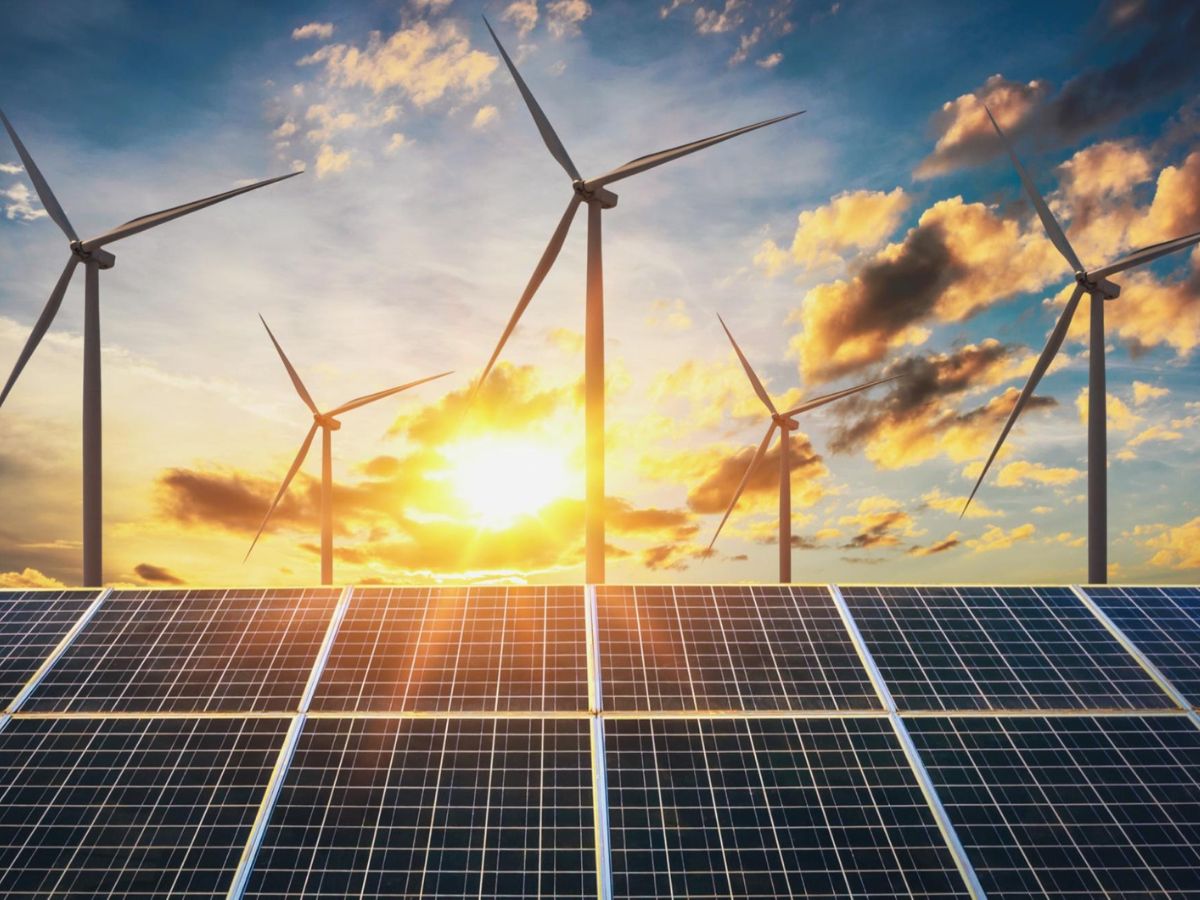
India's renewable energy drive hits milestone in the installed solar powers capacity. The transition to renewable energy, with solar energy alone now accounts for nearly 24 per cent of the country's total installed power capacity. (Photo: Social)
India’s renewable energy drive hits milestone in the installed solar powers capacity. The transition to renewable energy, with solar energy alone now accounts for nearly 24% of the country’s total installed power capacity.
This was revealed during the Mercom Renewables Summit 2025 where key stakeholders and industry leaders gathered to assess the progress and future roadmap of India’s green energy mission, held on Thursday.
According to data presented by Mercom India Research, as of March 2025, India’s cumulative installed large-scale solar capacity has reached 89.7 GW. Among the states leading this transformation are Rajasthan, Gujarat, and Karnataka, each with over 10,000 MW of installed solar capacity.
The summit’s keynote presentation showcased a paradigm shift in India’s energy mix over the last decade. From 2010 to 2025, the share of new capacity additions from coal has steadily declined, while solar has emerged as the dominant source of new energy capacity.
As of Q1 2025, renewable energy sources (including large hydro) account for 48.4 per cent of India’s total installed power capacity. Solar power alone contributes 23.9 per cent, followed by wind at 10.6 per cent, large hydro at 10.2 per cent, and other sources, including biomass and small hydro.
“This shift highlights India’s commitment to clean energy, driven by ambitious policy frameworks, falling technology costs, and a growing appetite for climate action,” said Raj Prabhu, Founder & CEO, Mercom Capital Group.
“With global climate commitments looming, India’s renewable energy journey is seen as critical not only for its own future but for global climate goals,” Raj Prabhu told ANI.
The summit also highlighted India’s diversified approach to energy transition, incorporating wind, hydropower, and waste-to-energy alongside solar. However, coal continues to hold a significant portion of the energy mix, suggesting a need for more aggressive phasing down of fossil fuels.
The event underscored the urgent need for continued investments, grid upgrades, and policy innovations to sustain the momentum. With global climate commitments looming, India’s renewable energy journey is seen as critical not only for its own future but for global climate goals.
(Inputs from ANI)
Ankur Mishra is a journalist who covers an extensive range of news, from business, stock markets, IPOs to geopolitics, world affairs, international crises, and general news. With over a decade of experience in the business domain, Ankur has been associated with some of the reputed media brands. Through a sharp eye on global marketplaces along with deep insights and analysis of business strategies, Ankur brings simplicity to the complex economic matrix to decode market trends and empower people.
He is committed to entrenched data, facts, research, solutions, and a dedication to value-based journalism. He has covered trade tariff wars, international alliances, corporate policies, government initiatives, regulatory developments, along with micro- and macroeconomic shifts impacting global fiscal dynamics.
A strong western disturbance brings a sudden weather shift to Delhi. IMD issues yellow alert…
A gondola at Engelberg-Titlis ski resort crashed, killing a 61-year-old woman. High winds up to…
Chaitra Navratri 2026, starting March 19, honors Maa Durga’s nine divine forms. Sharing heartfelt wishes…
