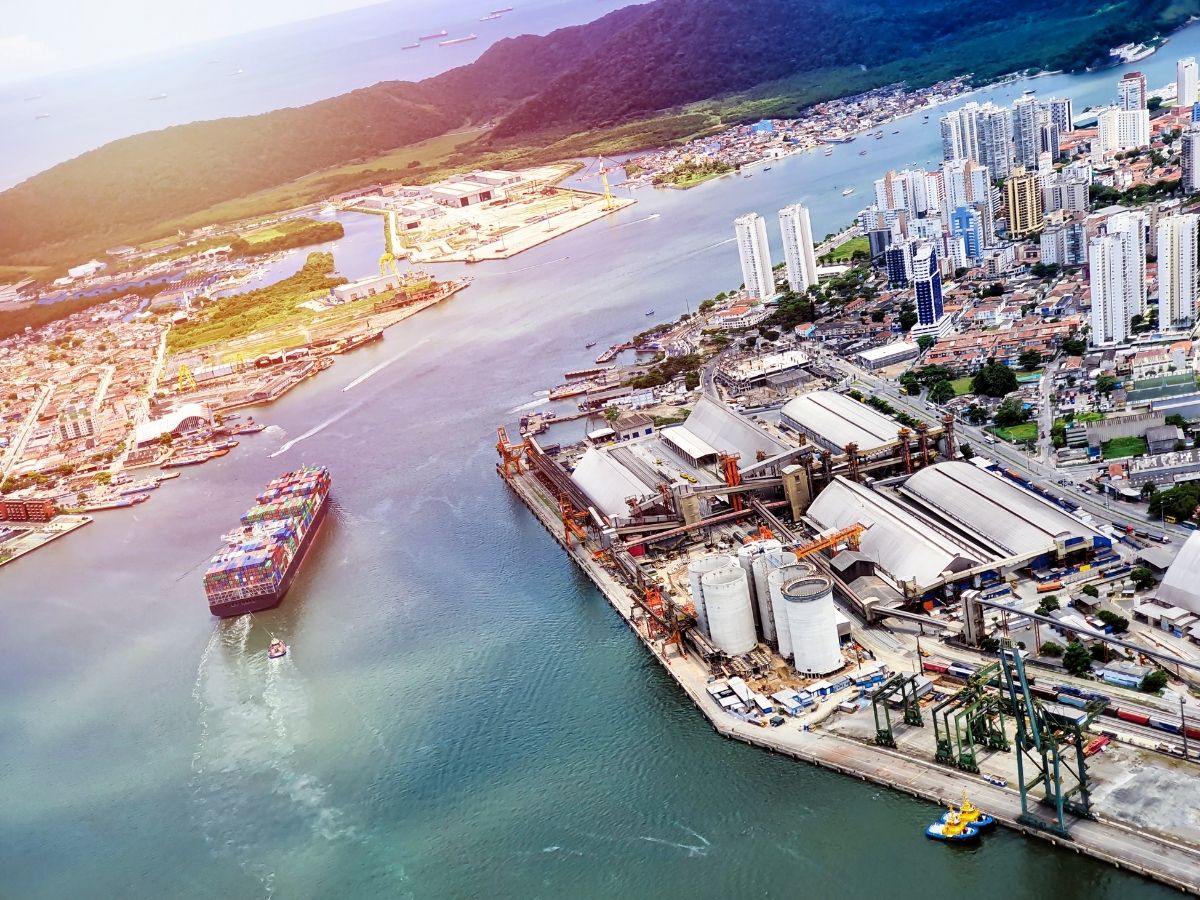
Around 200 shipping firms are backing a first global fee to cut greenhouse gases even as the US strongly opposes it ahead of IMO talks where emission rules may become binding in 2027. (Photo: Canva image used for representation only)
Nearly 200 shipping companies have urged the world’s biggest maritime countries to back a first‑ever proposition for global fee on greenhouse gas emissions from the shipping industry, according to a report published by The Associated Press on Monday. Notably, the request comes ahead of the International Maritime Organization’s (IMO) scheduled meeting in London next month. The proposal is part of a push toward green shipping, reinforced by the Getting to Zero Coalition, which includes businesses, governments and intergovernmental bodies.
“Given the significance of the political decision being made, we think it is important that industry voices in favour of this adoption be heard,” AP quoted Jesse Fahnestock, who leads decarbonisation work at the Global Maritime Forum, as saying. The forum manages the Getting to Zero Coalition.
According to the report, support is widespread among shipping companies, including many in the US, who prefer a single global system for emissions fees rather than a patchwork of regional systems that could lead to double fees on vessels depending on their routes.
Meanwhile, the Trump administration has strongly opposed the proposal. In a joint statement, the Secretaries of State, Commerce, Energy, and Transportation called it “effectively a global carbon tax on Americans levied by an unaccountable UN organization.”
The Trump administration has threatened retaliatory measures if countries support the fee, with some American officials reportedly saying that such a framework could unfairly raise costs, especially failing to account for fuel standards and emissions targets that they see as unattainable.
According to the report, shipping now contributes about three percent of global greenhouse gas emissions, a figure that has only increased in the last decade as ships get bigger and fossil fuel use remains high. The IMO has, the report said, set a goal for the sector to reach net-zero emissions by about 2050, which means switching to cleaner or near‑zero fuels. Part of the proposed deal includes a minimum fee per ton of emissions above certain thresholds and marine fuel standards. If adopted, it would apply in 2027 to large oceangoing vessels over 5,000 gross tonnage – ships that currently account for about 85% of the shipping sector’s emissions.
Proponents of the move believe the fee gives shipping firms regulatory clarity, allowing them to invest in alternative fuels and green technologies with more confidence. However, opponents – led by the US government – have expressed concerns about cost burdens and competitive disadvantages.
Without agreement, “the chance of the sector playing a proper and fair part in the fight to keep global heating below dangerous levels will almost certainly be lost,” Delaine McCullough from Clean Shipping Coalition told the US-based news agency.
IPL 2026: Delhi Capitals Rope In Former Ireland All-Rounder John Mooney As Fielding Coach
Delhi Capitals (DC) appoint former Ireland all-rounder John Mooney as their new fielding coach for…
The Pentagon said the US has hit over 7,000 targets using bunker-buster bombs under Operation…
Eid moon sighting in India on March 19; Chand Raat tonight if seen. Check city-wise…
