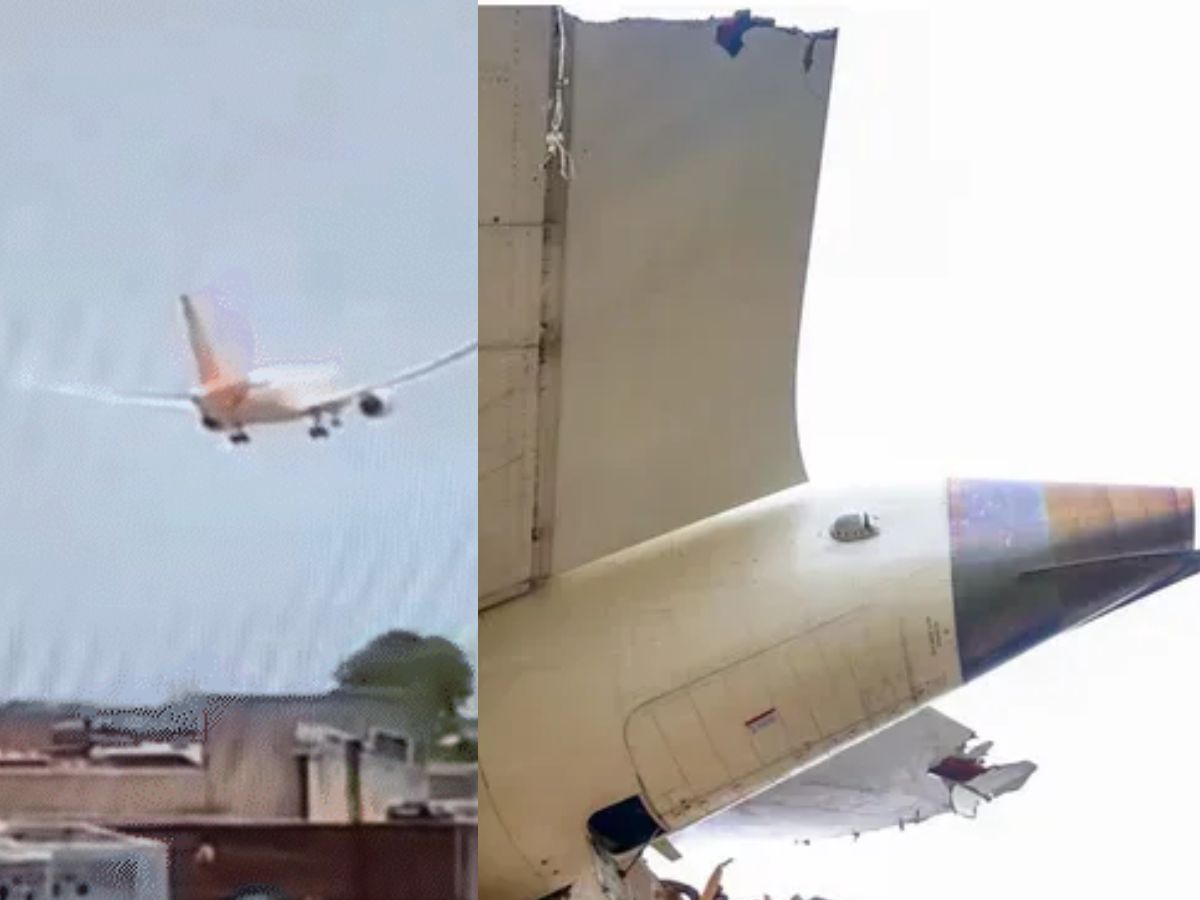
When safety checks fall short, lives are lost. Ahmedabad is a grim reminder.
The recent Air India crash in Ahmedabad in June 12 which claimed dozens of lives and skimmed over a crowded hostel, has sent the aviation world into shock not only because of the loss, but also because of the imperative to change safety protocols. The initial investigation revealed a intricate combination of technical failures and procedural choices, but more significantly, it raised some urgent questions about how airline safety can and need to be enhanced.
The plane, in a bid to make an emergency landing, crashed a mile from the runway. The pilots were found to have attempted restarting the two engines during flight. While Engine 1, for a brief moment, indicated signs of revival, Engine 2 would not budge. The plane lingered in the air for merely 32 seconds before crashing into a hostel, resulting in devastating loss of lives.
More unsettling is a paradox in the information: despite the physical thrust levers being in idle, the black box showed takeoff thrust was still engaged. Analysts point to either a mechanical malfunction or a system glitch that stopped the engines from reacting appropriately to pilot input.
This tragedy, now being investigated by India’s Aircraft Accident Investigation Bureau (AAIB) with assistance from the US-based NTSB and FAA, points to more than one incident, it points to ingrained issues in aircraft maintenance, communication, and safety preparedness.
Planes should never take off with unresolved technical problems. This accident points to the importance of strict checks of all the systems particularly vital parts such as brakes, electrical systems, and fuel switches. No flight should be cleared unless it’s entirely airworthy passenger safety must take priority, always.
A Proper communication should need between pilots and air traffic controllers that can save lives in times of high-pressure situations. To ensure that people remain calm and responsive they can do simulations and constant drills.This also involves communication among crew members in the cabin to control passenger safety.
A quick and easy understanding safety instructions can make a major difference in emergencies. Airlines should consider enhanced briefing materials mobile apps, short instructional videos, or infographics which simplify bracing techniques, evacuation steps and emergency exits.
To make airlines adhere to safety standards day in and day out, regulatory bodies need to double the unannounced inspections and ensure compliance. This would compel operators to uphold superior standards of safety every day, not only during routine examination.
ALSO READ: From Duty To Tragedy: Who Were The 12 Crew Members Killed In Ahmedabad Air India Crash?
• Normal Aircraft Maintenance
Regular checks every day, planned maintenance, and timely fixings must be a given. Aircraft falling short of standards need to be grounded until repaired fully.
• Crew Emergency Training
Cabin and flight crews need to regularly review emergency management procedures. Refresher training, simulation, and scenario training should be the norm.
• Advanced Safety Technology
Airlines need to invest in technologies like improved weather radar systems, terrain awareness, and ground proximity warning systems. Such equipment provides pilots real-time support particularly for rapidly changing situations.
• Passenger Awareness Campaigns
Informing travellers of safety protocols in ways that remember can enhance their reaction in an emergency. Air carriers need to grant a simple safety message so travelers of all cultures can both comprehend and move quickly.
Looking Ahead: Reforms & Readiness, Emerging Technologies
Aviators must have access to the most current terrain awareness systems and the latest radar technology to make more effective decisions in real time.
Pilot Training Enhancements
Training courses need to extend beyond technical know-how including stress management, historical crash case studies, and lifestyle factors influencing judgment and coordination.
Proactive Regulation
Regulatory authorities need to design and implement regulations that are not only reactive but preventive, locating risk factors before they become catastrophes.
The Ahmedabad crash is not just a tragedy it’s an alarm. An alarm for airlines, aviation officials, and consumers. The way ahead should be through transparency, technological upgradation, and renewed focus on human lives over comfort or economy.
Only then can we make such heartbreaking crashes a rarity not a repetition of news headlines.
ALSO READ: Who Were The Pilots Flying The Air India Flight That Crashed In Ahmedabad?
Sofia Babu Chacko is a journalist with over five years of experience reporting on Indian politics, crime, human rights, gender issues, and stories about marginalized communities. She believes journalism plays a crucial role in amplifying unheard voices and bringing attention to issues that truly matter. Sofia has contributed articles to The New Indian Express, Youth Ki Awaaz, and Maktoob Media. She is also a recipient of the 2025 Laadli Media Awards for gender sensitivity. Beyond the newsroom, she is a music enthusiast who enjoys singing. Connect with Sofia on X: https://x.com/SBCism
Retired Navy officer Ashok Kharat was arrested by Nashik police for sexual exploitation after 58…
Ranveer Singh is set to make a big-screen comeback with Dhurandhar 2, officially titled Dhurandhar:…
Officials from the Afghanistan Cricket Board (ACB), along with members of the national team, have…
