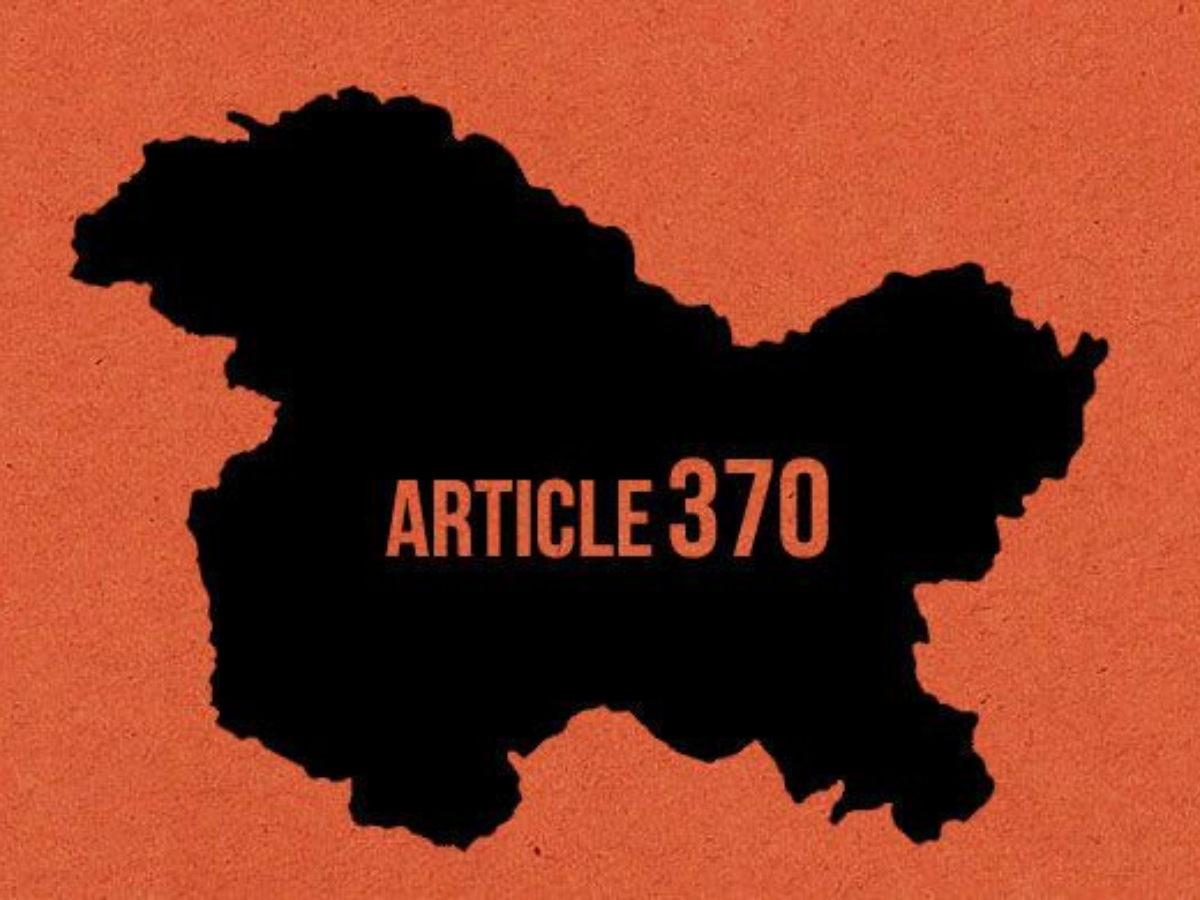
Abrogation Of Article 370: History Behind And Beyond
Article 370 was suspended in an unprecedented move by India in August 2019, this was mot just a simple political move but the end of the special status enjoyed by Jammu and Kashmir. This historic decision politically and socially transformed the region of Jammu and Kashmir and raise discussions regarding autonomy, integration, and security. The historical origins of an act, its abrogation process, and its long-lasting effects on the act must be involved in it.
Added into India’s Constitution in 1949, Article 370 accorded Jammu and Kashmir a special autonomy which gave it the constitution, flag, and independence over internal affairs excluding defense, foreign affairs, and communications. It was, after all, a temporary provision having resulted from the peculiar accession of Jammu and Kashmir into India in 1947 during the ongoing conflict with Pakistan.
There was a fine balance which Maharaja Hari Singh had to maintain after joining India and Accession for preservation of local identity while keeping national unity intact. Over the years, the article was the noisy billboard advertising Kashmir’s special status. Critics argued that it was hampering integration and fuelling separatism, nonetheless.
Revocation of Article 370 was through a presidential order and a resolution from Parliament: very bold under the Indian government on August 5, 2019, with Mr. Modi up front. This is the stripping of special status given to Jammu and Kashmir transforming it into a state of two Union Territories, Jammu and Kashmir, and Ladakh, all centrally controlled. It was being justified as a move towards the realization of equal rights, economic development, and reduction of militancy levels.
The whole process, however, was carried out under a communication blackout and mass detentions with heavy security deployment, raising apprehensions about democratic processes. The Supreme Court ultimately upheld the abrogation in 2023 by confirming its constitutional validity.
There was a new governance paradigm in Kashmir, enabling land purchase by outsider residents and also eligibility for employment. There are serious concerns of demographic change. The government might argue that security has increased and investment has improved, but dissent has not just been suppressed, but its economic challenges exposed.
The long-term impacts on peace, the progress enjoyed by India as well as India’s federal structure will ultimately come to light, making the chapter a key part of India’s history.
Also Read: Who Was Maharaja Hari Singh? The Last Ruler Who Shaped Kashmir’s Fate
Mojtaba Khamenei vows justice after Ali Larijani is killed in a U.S.-Israel strike, calling it…
Explosions rocked Riyadh as Saudi defenses intercepted drones and a missile amid rising Iran tensions.…
Discarded Indian spinner and Punjab Kings (PBKS) star Yuzvendra Chahal has revealed that he has…
