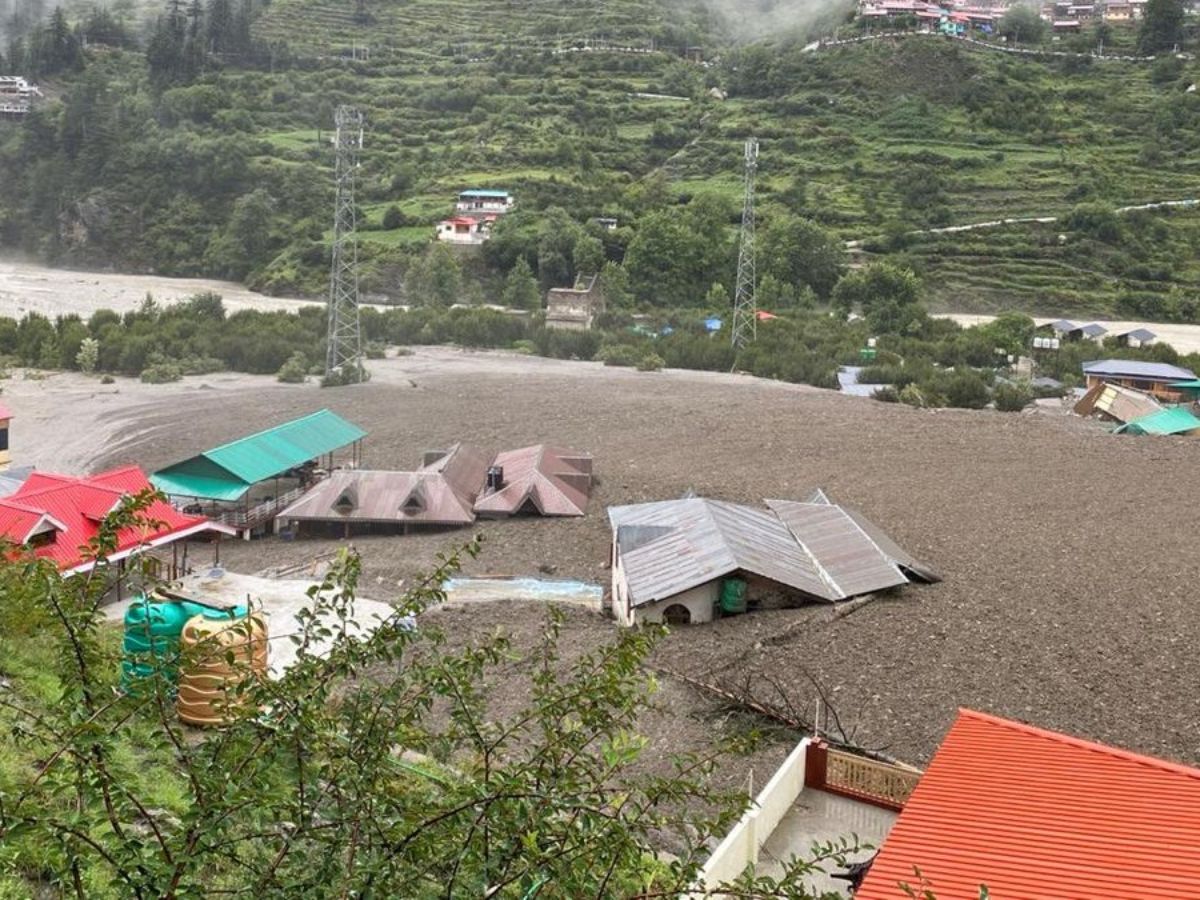
Image Credit - X
Cloudbursts have become increasingly frequent across India, especially in regions like Uttarakhand, Leh, and now Telangana. These intense weather events, often mistaken for unnatural or deliberate acts, are deeply rooted in atmospheric science and environmental changes.
Telangana’s Chief Minister K Chandrashekar Rao recently speculated about the sudden cloudbursts in his state, citing similar past events in Kashmir and Uttarakhand. However, experts clarify that cloudbursts are natural, albeit extreme, weather phenomena caused by a specific mix of meteorological conditions.
According to the India Meteorological Department (IMD), a cloudburst is defined as receiving over 10 cm of rainfall within one hour at a given location. It often results in severe flooding, landslides, and infrastructure damage, particularly in hilly or poorly drained regions.
Despite the dramatic term, there is no literal “burst.” Instead, it refers to an intense downpour caused by very specific atmospheric conditions.
Cloudbursts typically occur when warm, moisture-laden monsoon winds rise quickly due to mountainous terrain (orographic lift) and collide with colder upper air currents. This interaction forms massive cumulonimbus clouds. A hot upward air current prevents the water from falling, causing the moisture to accumulate.
The raindrops, instead of descending, keep growing in size due to this upward air push. Eventually, when the cloud cannot hold the water anymore, it all falls rapidly in a short span of time, leading to flash floods and destruction.
Key contributing factors include:
Cloudbursts are extremely localized and fast-developing, making them hard to forecast. Doppler radars can help, but coverage in cloudburst-prone areas is limited. As of now, India has only 34 Doppler radars, with sparse deployment in the Himalayan region.
Experts stress that expanding radar networks and improving high-resolution forecasting models are crucial to better understanding and mitigating the damage from such deadly events.
Also Read: Uttarkashi Cloudburst: A Grim Reminder of Uttarakhand’s Fragile Future
Karan Singh Rathod is a dedicated sports journalist known for his sharp attention to detail and flair for storytelling. With over a year of experience in writing and editorial work, he blends thorough research with compelling narratives to deliver engaging sports content. A passionate follower of football and cricket, he starts his mornings with a newspaper to stay updated with sports, fashion, and current affairs. Outside of journalism, Karan enjoys traveling and discovering new destinations.
Mojtaba Khamenei vows justice after Ali Larijani is killed in a U.S.-Israel strike, calling it…
Explosions rocked Riyadh as Saudi defenses intercepted drones and a missile amid rising Iran tensions.…
Discarded Indian spinner and Punjab Kings (PBKS) star Yuzvendra Chahal has revealed that he has…
