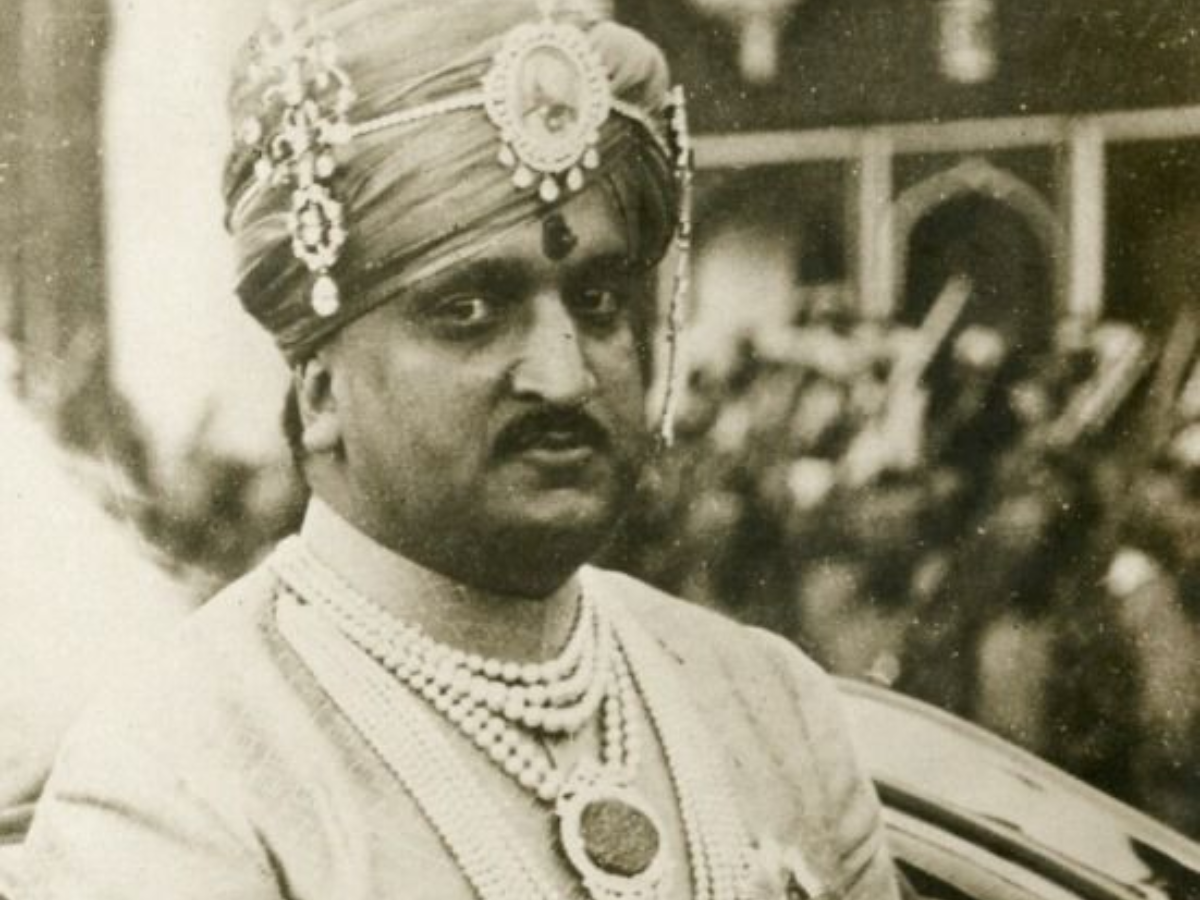
Maharaja Hari Singh
Jammu and Kashmir! A great name is associated with this place, Maharaja Hari Singh, the last ruling monarch of the princely state from 1925 to 1952. Hari Singh was born on September 23, 1895 in the Amar Mahal Palace in Jammu. The heir to the Dogra dynasty, he ruled in an extravagant period marked by grand aims and tragic events, with unfulfilled decisions whose repercussions, settled the course of modern India.
Hari Singh came to the throne in 1925 and found himself at the head of an extensive state. An education acquired at Mayo College and the Imperial Cadet Corps gave him the British stamp, but his reign saw the king sticking with his subjects as tight as one could come. This he showed in words spoken on a day of coronation: “All religions are mine and justice is my religion.”
His permanent reforms included the denunciation of child marriages, imposition of compulsory primary education and the opening of places of worship to the lowest rung of society, all of which defied firmly entrenched social evils. He set up the Praja Sabha in 1934 as a kind of Legislature, a yet-to-be well-founded but the first of such steps to establish democracy in the princely India of his time.
Inspite of owning immense wealth in the order of five million dollars yearly income, twenty-six Rolls-Royces, and a silver airplane among other grand lines, his reforms were designed to propel the agrarian majority out of the pulpit of impoverishment.
The year 1947 threw up the historic Dilemma for Hari Singh with the partition of India into two. He ruled as a Hindu monarch over a Muslim-majority state and initially sought independence in severe opposition from India and Pakistan. He hung back with the intent of carving out an independent course for the Jammu and Kashmir State.
But with the flooding of tribal hordes on October 22, 1947, sponsored directly by Pakistan, these dreams lay shattered. Operation Gulmarg, having tribal militias and full Pakistani support, saw violence right on the margins of Kashmir with common reports of massacres and lootings.
With his defense crumbling in front of him, he signed the instrument of Accession on the 26th of October 1947 and this time to take full military aid at the cost of his allegiance with India.
The sunshine of controversies had begun to creep through Hari Singh’s reign by then. The year 1931 Kashmir agitation and the 1947 Jammu massacre happened right under his nose. He was come down upon like an evil tyrant suppressing public dissent and involved in the killing of people of various communities.
Pressure began to mount by 1949 from different corners, and the high command asked him to step down and pass the kingdom to his son, Karan Singh. He chose to go into an unknown exile in Bombay, dying unnoticed on April 26, 1961, and demised ashes scattered in the Tawi.
The 21st of September since 2022 is celebrated as the Maharaja’s birthday as a holiday, exhibits a new ray of hope and respect for his reforms and the priceless contribution by the martial and cultural inheritance of the Dogra dynasty.
Also Read: NIA On Pahalgam Terrorists: Sketches Of Terrorists Misidentified
Ustaad Bhagat Singh X premiered internationally before India on March 19, 2026, starring Pawan Kalyan.…
Iran struck South Pars and blamed a US-Israel role, warning Gulf nations of retaliation. Ras…
Mojtaba Khamenei vows justice after Ali Larijani is killed in a U.S.-Israel strike, calling it…
