
From Toy to Troop: Punch’s Journey to Social Belonging
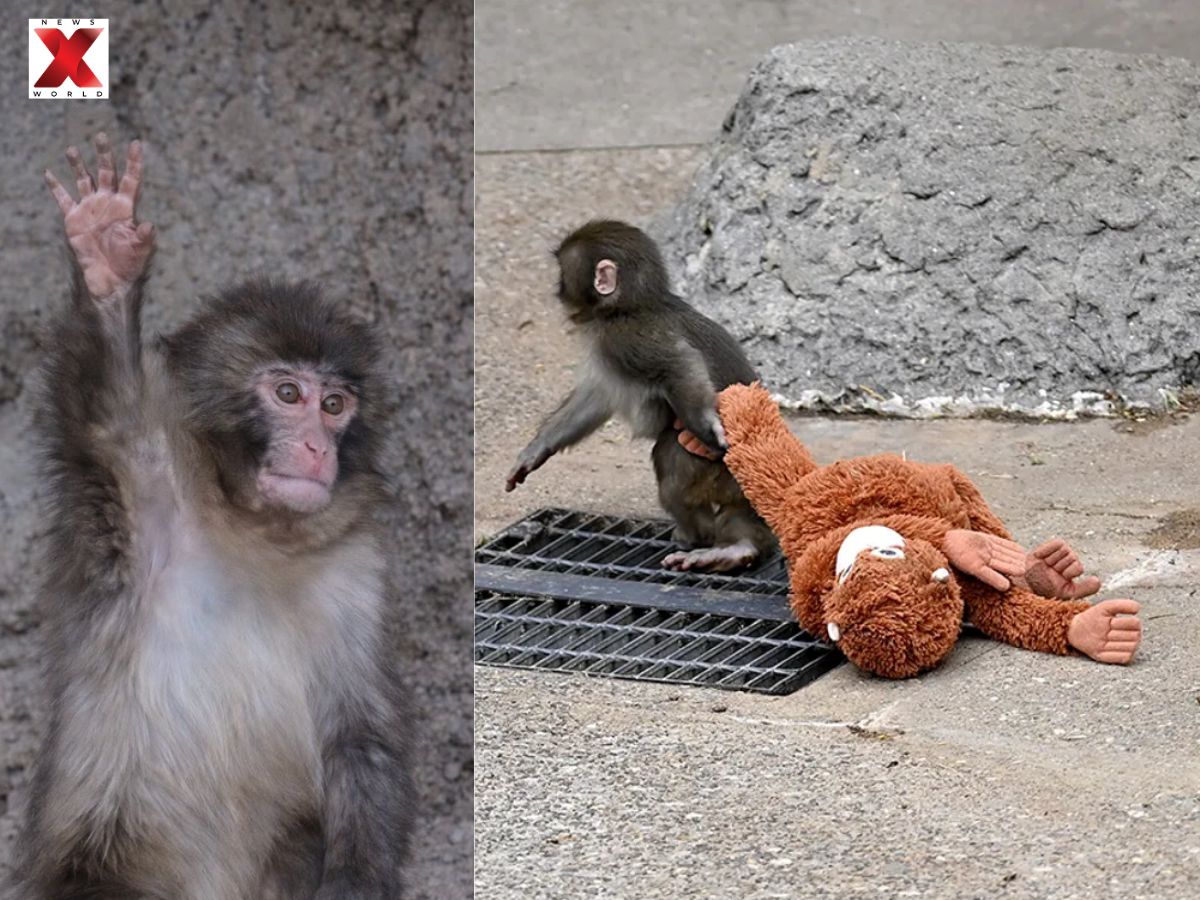
The Ichikawa Zoological and Botanical Garden started to return Punch, the young macaque, to his home in the “Monkey Mountain” enclosure on January 19, 2026. The early stages proved tense because Punch, who was raised by humans after his birth abandonment, developed a pattern of being rejected and attacked by the resident monkeys. He used his stuffed orangutan for comfort during this time because he could not successfully join a group with his hand-raised primate background.
Zookeepers created a detailed care plan to support his adjustment process. Punch was introduced to a calm young female macaque who permitted him to breastfeed inside the troop area, which allowed the other monkeys to observe him as he became part of their social network.
His confidence developed through this approach, which allowed him to interact with others in a more authentic way. The combination of patient observation, together with controlled social interactions, has helped Punch progress from being comfortable alone to achieving social acceptance with the troop, which demonstrates the value of implementing animal welfare practices that require careful consideration.
Continued Comfort And Star Power Of Punch
The front gate of Ichikawa Zoological and Botanical Garden shows its main entrance to visitors. The zoo cites Otome, a 2009 hand-reared macaque who successfully integrated and raised offspring, as proof of potential success.
Punch has become a star attraction, drawing hundreds of visitors eager to watch his journey. The super popular baby monkey “Punch-kun” even waves goodbye to visitors, saying “Bye-bye” alongside the park’s closing announcement, winning hearts all around. Online fans praise his resilience, calling him “cute,” “precious,” and now officially a little macaque celebrity.
(With Inputs)
Also Read: Dubai In Chaos After Iran Strikes With Missiles, Drones: Hilarious Memes….