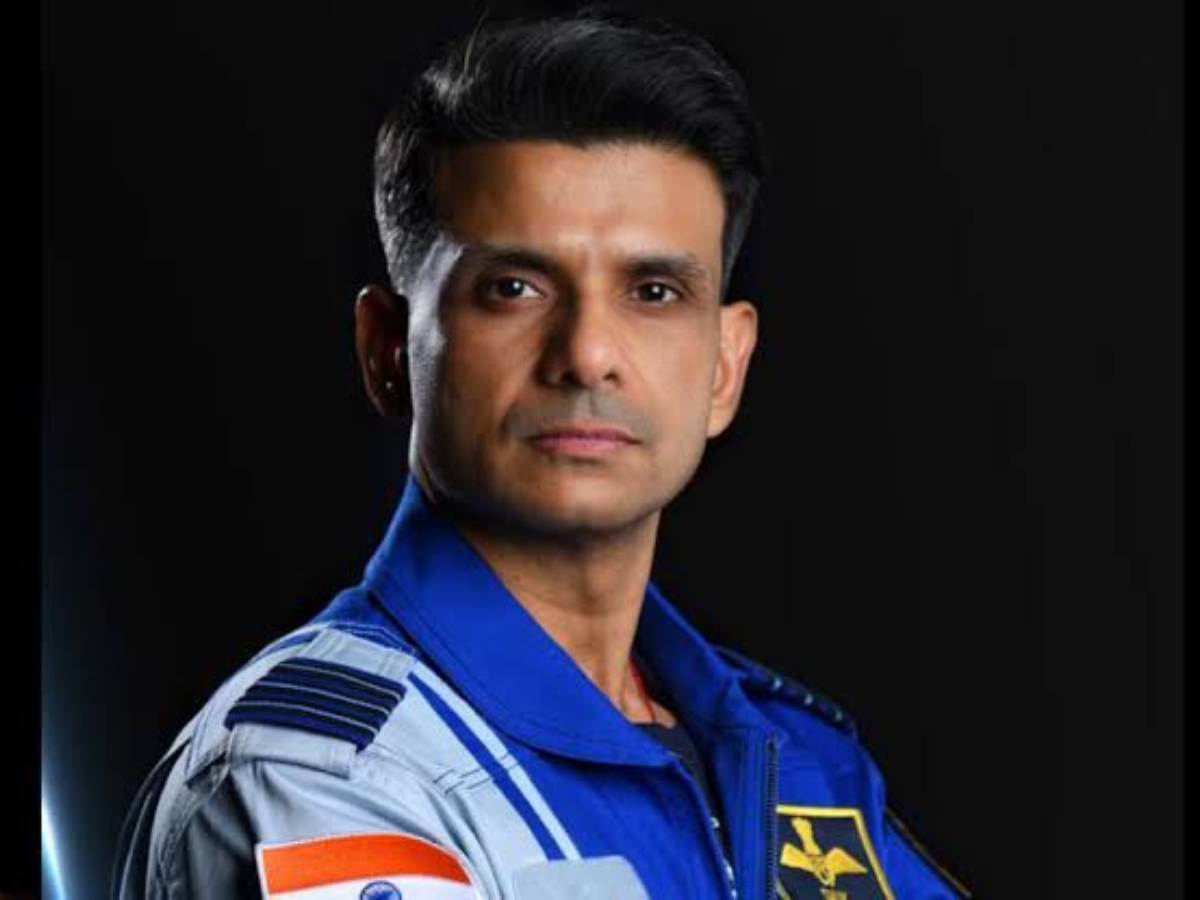
Shubhanshu Shukla
While space can evoke wonder, it serves as a battlefield for the human body. Without gravity, bones weaken, muscles atrophy, and balance quickly declines. Astronaut Sunita Williams, who just came back from a 286-day mission on the ISS, is a prime example of this. She experienced lightheadedness, weakened legs—referred to as “chicken legs”—and sleep disturbances, all necessitating a strict rehabilitation program on Earth. Group Captain Shubhanshu Shukla, presently on a 14-day mission to the ISS, is involved in a new era of research into these effects, which includes studies on muscle regeneration and cognitive stress.
Beyond the physical form, the mind undergoes its own challenges in orbit. Experiencing 16 sunrises daily on the ISS disrupts circadian rhythms, frequently resulting in fatigue and confusion. Sunita Williams has mentioned this disruption, whereas Shubhanshu Shukla’s objective involves cognitive evaluations to monitor how stress and screen exposure influence performance. Nutrition is also evolving in space: ISRO is cultivating hydroponic fenugreek and moong, along with specially designed Indian dishes such as biryani and idli, to help astronauts remain nourished—and mentally balanced. Tardigrades and algae are currently under investigation for their durability and possible contribution to life-support systems.
The journey toward these missions starts years ahead. Shubhanshu Shukla, similar to numerous contemporary astronauts, trained on different continents from Russia to NASA to Bengaluru. His task, within a broader Gaganyaan framework, evaluates both human endurance and the future feasibility of extended space travel. Orbiting Earth or mimicking Mars in the thin air of Ladakh, astronauts today serve as both test subjects and pioneers. As science advances further into space, survival in that environment relies completely on the knowledge we gain here on Earth and how we use it to the precision.
Also Read: Can Diabetics Go To Space? Shubhanshu Shukla’s Mission Might Say Yes
Reha Vohra is an entertainment and lifestyle journalist passionate about telling stories that celebrate culture, trends, and everyday life. She love diving into celebrity news, fashion, viral moments, and unique human experiences that resonate with readers. The goal is to create content that’s engaging, inspiring, and relatable, bringing fresh perspectives with a blend of curiosity and creativity.
A gondola at Engelberg-Titlis ski resort crashed, killing a 61-year-old woman. High winds up to…
Chaitra Navratri 2026, starting March 19, honors Maa Durga’s nine divine forms. Sharing heartfelt wishes…
A bomb threat at Dick's Sporting Goods in Canton Marketplace, Georgia, triggered evacuations and heavy…
