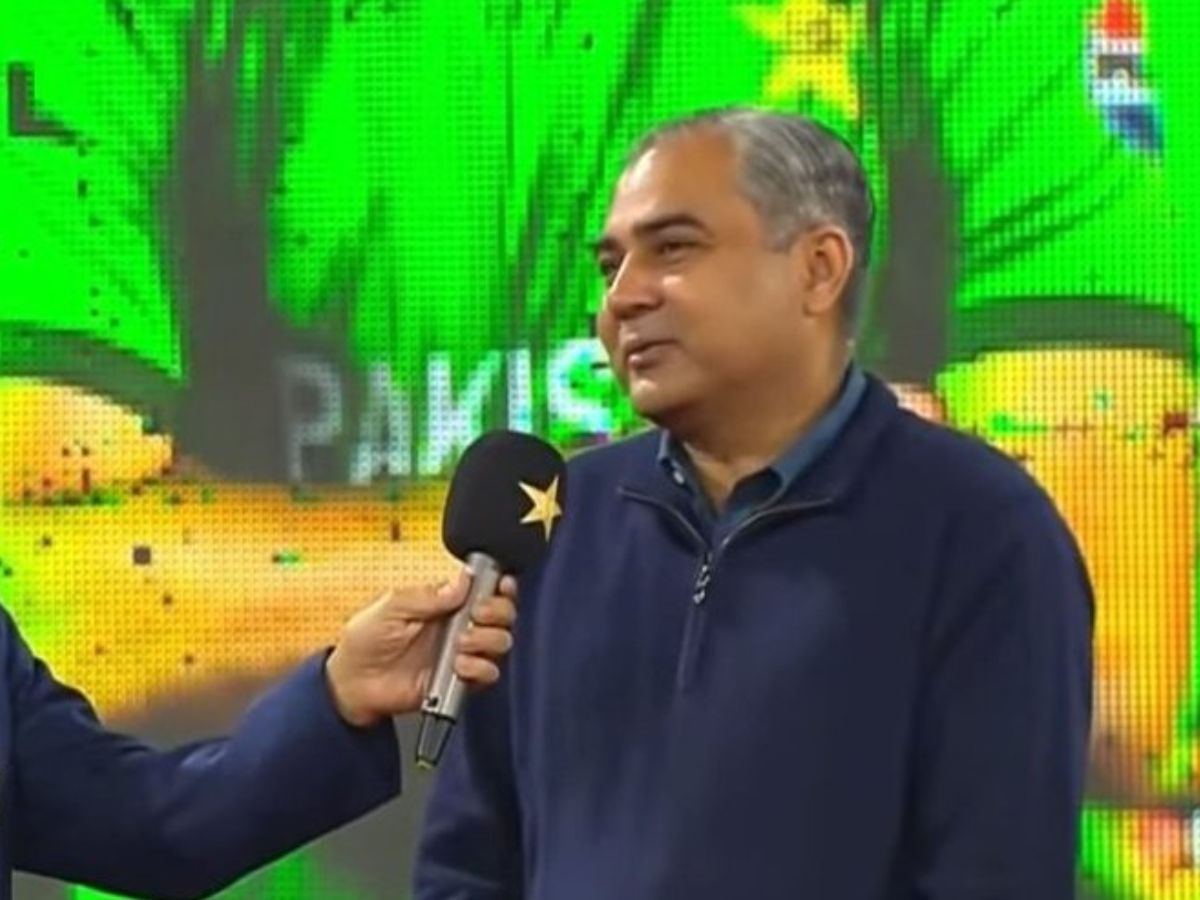
Mohsin Naqvi (image credits : X)
The controversy surrounding the India vs Pakistan clash in Colombo continues to grow with each passing day. While the Board of Control for Cricket in India (BCCI) has remained silent and is following the ICC’s guidelines, the Pakistan Cricket Board (PCB) has maintained its decision to boycott the high-profile T20 World Cup fixture scheduled for February 15.
The situation escalated after Pakistan Prime Minister Shehbaz Sharif refused to grant permission for the national team to play against India, despite allowing Pakistan to participate in the tournament. Since then, there have been several efforts from different quarters urging the PCB and the Pakistan government to rethink their stance. However, no change has been made so far.
In recent days, multiple media reports claimed that the PCB had reopened talks with the International Cricket Council (ICC) to resolve the matter. These reports suggested the move came after warnings about possible legal and financial consequences of forfeiting the match. The PCB, however, firmly denied these claims.
On Saturday, PCB spokesperson Amir Mir issued a statement on social media platform X, rejecting reports that the board had contacted the ICC. “I categorically reject the claim by a renowned Indian sports journalist that the PCB approached the ICC,” Mir said. He further accused sections of the Indian media of spreading misinformation and insisted that the truth would become clear in due course. “As usual, sections of the Indian media are busy circulating fiction. A little patience and time will clearly show who actually went knocking and who didn’t,” Mir added.
Contradicting the PCB’s position, AFP reported earlier that the PCB had indeed reached out to the ICC after receiving formal communication from the governing body. According to the report, the ICC was keen to resolve the issue through dialogue rather than allowing the situation to escalate. The dispute stems from Pakistan’s decision to skip the marquee Group A encounter against India, one of the most anticipated matches of the T20 World Cup. Although Pakistan’s government permitted the team to take part in the tournament, it withheld approval for the match against India, citing political reasons.
The potential consequences of the boycott are significant. India-Pakistan matches are among the most lucrative fixtures in world cricket, generating massive revenue through broadcasting rights, sponsorships, and advertising. Reports suggest that Pakistan could suffer heavy financial losses if the match is forfeited.
From a sporting perspective, Pakistan also risk losing two valuable points, which could impact their qualification chances and net run rate. Pakistan began their campaign with a narrow win over the Netherlands, making the India fixture even more crucial in their group-stage journey. Meanwhile, India captain Suryakumar Yadav confirmed earlier this week that the Indian team would travel to Colombo as scheduled, signalling India’s readiness to play the match if it goes ahead. As matters stand, uncertainty continues to cloud one of cricket’s biggest rivalries, with all eyes now on whether Pakistan will reconsider its decision before the deadline.
IPL 2026: ‘If Nothing Goes Wrong, I Will…’ — Pat Cummins on Sunrisers Hyderabad Return
Pat Cummins, who will be a big miss for SRH in the match against the…
Russia is reportedly sending phased shipments of drones, along with food and medical aid, to…
Iran says it is reviewing a US proposal to end the war but insists that…
