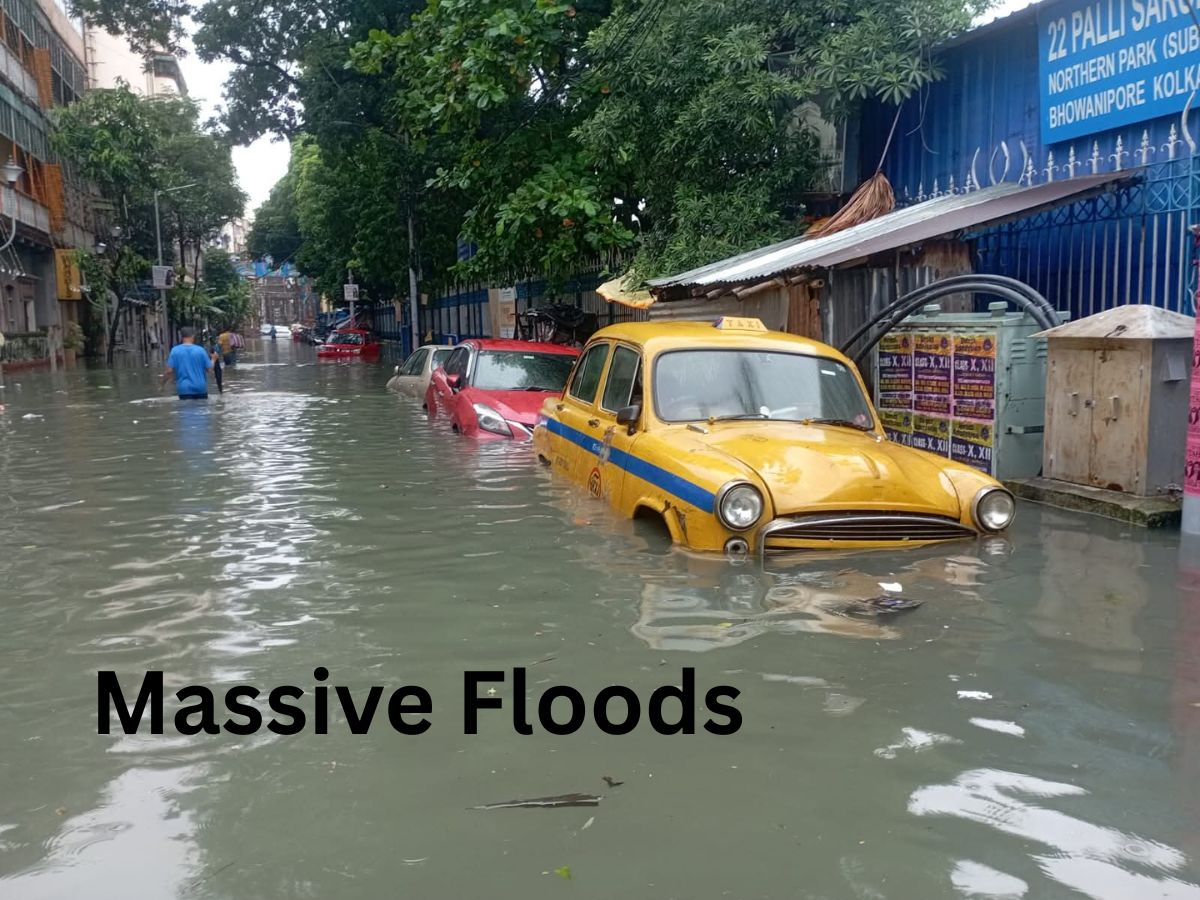
The year 2025 has witnessed several devastating floods worldwide, causing massive destruction and loss of lives. From Asia to Africa and the Americas, extreme weather events have highlighted the growing impact of climate change. Just yesterday, Kolkata experienced a severe flood, leaving the city paralyzed and thousands stranded. These disasters serve as a wake-up call for improved infrastructure, disaster preparedness, and urgent global action to prevent future tragedies and protect vulnerable communities.
In July 2025, Central Texas faced one of the deadliest flash floods in recent history. Torrential rains caused rivers to overflow within hours, submerging towns and highways. The disaster claimed 135 lives and displaced thousands of families. The event was worsened by aging dams and a lack of effective early warning systems, exposing serious gaps in local disaster preparedness.
On May 28-29, 2025, Nigeria’s Mokwa region was struck by severe flooding following heavy rains. Over 4,000 homes were washed away, while more than 500 people died and hundreds went missing. The disaster overwhelmed emergency services, leaving communities in urgent need of food, shelter, and medical aid. It was one of the worst floods in West Africa in years.
On August 5, 2025, the Uttarkashi district of Uttarakhand experienced a flash flood caused by a suspected cloudburst or glacier-lake burst. At least five people were confirmed dead, while over 50 people were reported missing. The incident caused landslides and destroyed several bridges, making rescue operations extremely difficult in mountainous terrain.
On August 14, 2025, a sudden cloudburst led to a flash flood in Kishtwar district of J&K. This disaster claimed 68 lives and injured hundreds, including pilgrims, travelling for the Machail Mata Yatra. Many roads were washed away, isolating remote villages and making relief work challenging.
In early September 2025, heavy monsoon rains and higher tides struck several coastal cities in China. Streets were submerged and businesses were forced to shut down. Thousands of people were evacuated, while power outages and water contamination worsened the situation. Economic losses were estimated to be in the billions and dollars, making it one of the costliest disasters of the year.
On September 24, 2025, Kolkata experienced a catastrophic flood after 252 mm of rainfall in just 7 hours. The intense non-cyclonic weather system caused widespread waterlogging across the city. At least 12 people died, many due to electrocution, while thousands were stranded as the transport system collapsed. Even two crocodiles escaped from zoo enclosure due to rising waters and into chaos. The incident highlighted poor drainage management with clogged canals and plastic waste worsening the crisis.
The floods of 2025 show how extreme weather events are intensifying globally. From Kolkata to Texas and Nigeria, these disasters reveal the urgent need for better draining systems, early warning alerts, and climate-resilient infrastructure. Without immediate action, the frequency and severity of such floods will only increase, threatening lives and livelihoods worldwide.
Dr. Anjali R. Pandey Honoured with Skill Bharat Samman 5.0 for Excellence in School Leadership
Mumbai: Dr. Anjali R. Pandey, Principal of B.S.M. Dnyananand School, Thane, has been conferred with…
Iran holds a state funeral in Tehran for top officials Ali Larijani and Gholamreza Soleimani,…
SOMANY Ceramics Continues to Build Upon Its Waste Tile Reuse Initiative on Global Recycling Day 2026
New Delhi [India], March 18: On the occasion of Global Recycling Day, SOMANY Ceramics is looking back…
