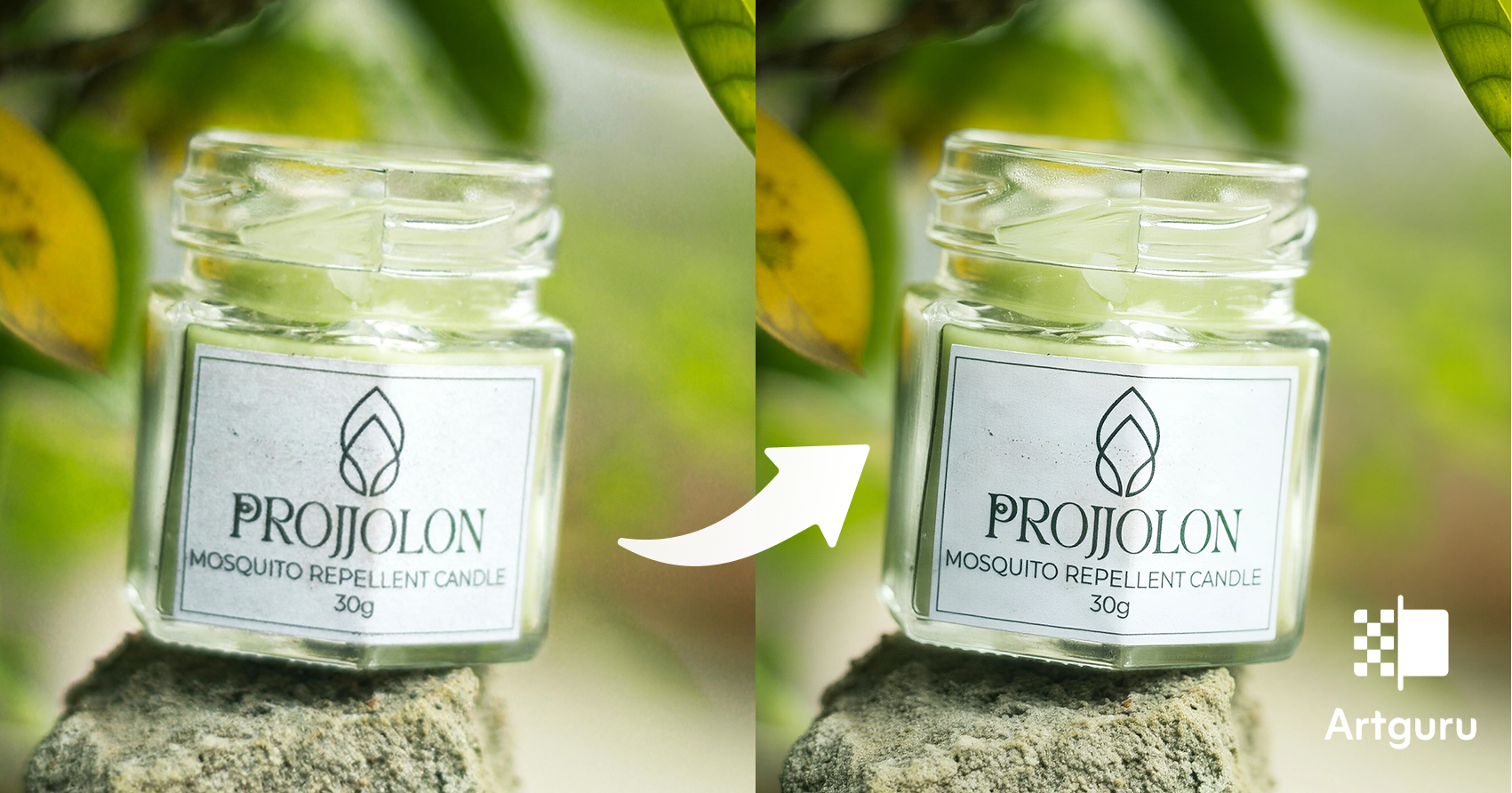
In the e-commerce game, the images of the products on your screen can make all the difference between a sale and a shopper losing interest altogether. Without the chance to touch, feel, or try before they buy, customers rely on pictures to give them a good idea of what they’re getting – and whether they can trust the seller.
With competition online getting fiercer by the day, businesses have to up their game in terms of product photography. We’re talking snazzy studio-quality visuals – pronto – no matter how many different products you’re selling, and no matter how limited your budget is. But that’s where things are changing.
Rather than having to shell out for pricey equipment or rely on manual retouching and reshooting when things don’t come out right, many sellers are now speeding up their product photography with AI-powered tools such as a photo enhancer, a background remover, an object remover, a scene generator, and a copy generator. This is a game-changer for the industry, especially for smaller businesses, making high-quality product images much more accessible.
The quality of your product photos can make or break a sale, with a bad one sending those lovely conversion rates plummeting and damaging your brand’s reputation. First off, you get less returns, and people are a lot more trusting when they can see exactly what they’re buying – the scale, the texture, the whole shebang. And let’s not forget how pictures can make or break a customer’s expectations. That’s why simple tools like an HD photo converter have become go-to solutions for many people, as they can easily fix blurry images and improve overall clarity.
But getting it just right isn’t easy – different products throw up all sorts of photography problems. Tiny items can vanish into thin air, while clothes need to show off their texture and how they’ll fit so people aren’t left with a pair of shoes that are way too tight. Big products are a nightmare to light evenly, food has to be coloured just right, and kits and bundles need to be shown in a way that doesn’t look like a cluttered mess. It’s no wonder most of the time you’re spending more time fiddling with them in the editing suite than actually taking the shots, especially when you’re dealing with images from different sources or suppliers.
That’s where automation really comes in handy. AI tools these days are pretty good at sniffing out the type of product, spotting the problems and applying just the right touch-ups without needing you to lift a finger.
Small stuff really relies on being crystal clear and razor sharp. We’re talking jewelry, watches, earbuds, and all sorts of tiny electronic gizmos – they all have those super-fine details that disappear like magic when the image resolution is too low, or there’s any motion blur or compression going on. And don’t even get me started on how reflections and noise can totally kill the quality.
So what really matters for these types of products is:
● getting a super high resolution so those fine details stay clear as a bell
● sharpening just right, so it doesn’t look like some dodgy halo’s been added
● keeping the backgrounds nice and clean, so they don’t distract from the product itself
Now, AI is pretty good at giving old photos a bit of a lift, especially when you need to zoom or crop in for online listings or ads and the original shot just wasn’t up to snuff.
The photography of clothing must convey the feel, color accuracy and fit. Issues can be such as flat lighting, dull colors and fabric detail can be lost. The lack of consistency in image quality among product lines also can damage the brand identity.
In the case of fashion stuff, consistency is essential. Different images are expected to be similar in terms of brightness, contrast and resolution to ensure that product pages are harmonious. Enhancement of AI can assist in standardization of images that are produced by various shoots or suppliers, eliminating the necessity of reshoots but maintaining high visual quality.
Large products such as furniture, appliances, or home décor are harder to photograph well due to space and lighting constraints. Images may appear soft, unevenly lit, or slightly distorted when taken in real environments.
Upscaling and enhancement can be particularly useful here. AI can improve clarity without exaggerating textures, helping images look professional even when the original photo was taken in a warehouse, showroom, or customer location.
Food photography requires careful handling because color, contrast, and sharpness directly affect how appetizing a product appears. Even small issues such as poor lighting, heavy compression, or slight blur can reduce visual appeal and make food look less fresh or less natural.
AI enhancement should be applied with restraint in this category. When used properly, tools like Artguru can help sharpen the main subject and correct minor flaws while preserving natural colors and textures. The focus is on improving clarity and accuracy so the product looks clean and fresh, rather than processed or artificial.
Multi-part products, bundles and kits are prone to visual clutter. Significant elements can be obscure, particularly in images of low quality. Our customers should know what is actually included.
Improvement of resolution and clarity assists every component to shine. Clear and understandable images help to decrease the risk of confusion and the possibility of returns due to lack of understanding.
As product catalogs expand, manual image editing becomes difficult to scale. Artguru offers a practical solution with an AI enhancement toolkit for web, iOS, and Android. It uses generative and super-resolution technology to turn low-quality photos, videos, and PDFs into professional assets.
Key features of Artguru include:
● Photo Enhancer: Automatically boosts quality by 4x (up to 4K), optimizing details for product shots or documents.
● Image Upscaler: Upscales images by 8x (up to 8K), ideal for high-quality listings and print.
● Old Photo Restoration: Repairs scratches, damage, and color fading.
● Text Enhancement: Sharpens blurry text on packaging, labels, or screenshots for better readability.
● Video & PDF Enhancer: Upscales video to HD/4K and clarifies blurry documents.
Artguru is effective for handling varied image sources like manufacturer files or old catalogs. Instead of expensive reshoots, teams can standardize their visual identity. Batch processing for up to 50 images at once enables rapid, quality updates.
Automation is only as good as the foundation it’s built upon – and AI enhancement is no exception. It’s meant to complement, not replace, good old-fashioned photography know-how.
● Get the best possible original image, even if that means putting up with a few imperfections
● Don’t overdo the enhancement or your images will start to look like something out of a bad sci-fi movie
● Stick to a consistent resolution, lighting and framing across all your product lines
● Give the AI-enhanced images a manual once-over before you put them out there in the wild
● Treat AI as a tool to streamline your workflow, not just a magic bullet to fix one-off problems
When you use AI with a bit of common sense, it can save your team loads of time and effort – allowing you to focus on the fun stuff, like strategy and creativity.
E-commerce product photography no longer has to be a major hurdle when it comes to time, cash or technical know-how.
AI-powered image enhancement is shaking things up for businesses when it comes to visual content, making it a heck of a lot easier to produce sharp, pro-looking images of all sorts of products. By taking the drudgery out of tasks like sharpening, upscaling and tidying up, AI lets sellers build their product catalog while still keeping quality and consistency front and centre.
When you use these tools wisely, they can help you deliver a better shopping experience for your customers, build a stronger brand reputation and keep your workflow running smoothly – even in a market that’s getting more competitive by the day.
Are Fuel Prices Getting Cheaper After US-Iran Ceasefire? Check Out Today’s Petrol, Diesel Prices
Petrol and Diesel prices are expected to be cheaper after the Iran-US ceasefire. Read more…
PSG vs Liverpool Live Streaming: Where to Watch Champions League Match on TV and Online In India
The UEFA Champions League quarterfinal will feature Liverpool taking on the defending champions Paris Saint-Germain.…
Yashasvi Jaiswal revealed what he told youngster Vaibhav Sooryavanshi after his fearless first-ball six off…

