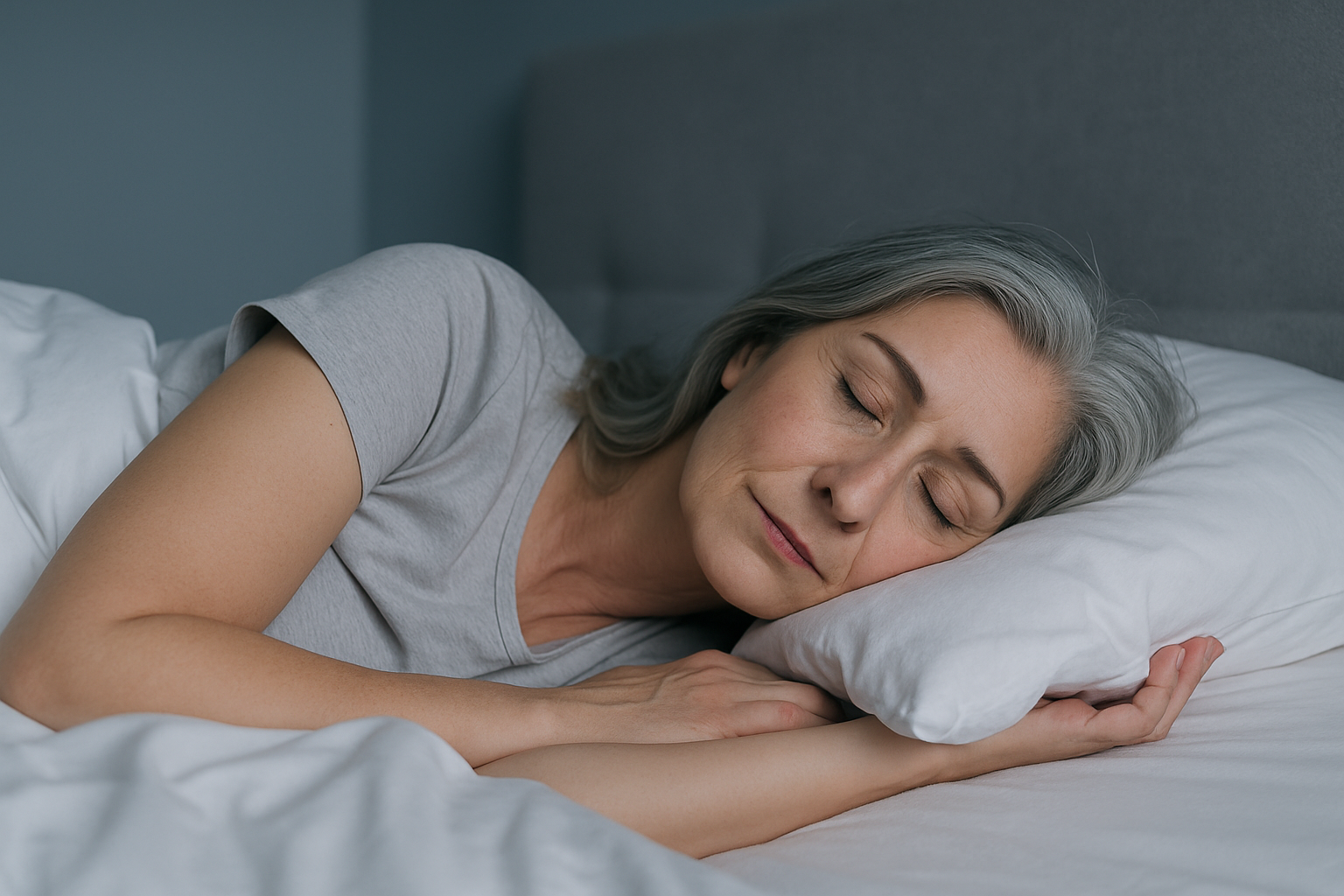
Sleep is no longer being treated as a passive part of daily life. In 2026, it is increasingly viewed as a core pillar of health, productivity, and overall wellbeing — and that shift is beginning to influence how consumers spend.
Across multiple markets, there is growing evidence that people are investing more deliberately in their sleep environment. From mattresses to bed sizes, purchasing decisions are being shaped less by price alone and more by perceived impact on long-term health.
Larger bed formats are one example of this trend. Products such as super king beds, including options like those available through Bedpost’s premium range, are seeing increased demand as consumers prioritise space, comfort, and uninterrupted rest.
For many years, beds were treated as a largely functional purchase — something to replace when necessary rather than optimise proactively.
That mindset is changing.
Consumers are becoming more aware of the role sleep plays in physical and mental performance. As a result, purchases that were once delayed or minimised are now being approached with greater consideration. Rather than simply asking what fits the space or budget, buyers are asking what will improve the quality of their sleep.
This shift is subtle, but it has a meaningful impact on how products are evaluated.
One of the more noticeable changes is the growing preference for larger bed sizes.
Super king beds, in particular, are gaining traction among couples and individuals who value additional space. While historically seen as a luxury, they are increasingly being viewed as a practical upgrade — especially in households where sleep disruption is a concern.
More space can reduce movement disturbance, improve comfort, and create a more restful environment overall. As awareness of these benefits grows, the perceived value of upgrading bed size is changing.
The increased focus on sleep is not happening in isolation. It sits within a wider shift toward preventative health and wellbeing.
Consumers are paying closer attention to habits that influence long-term outcomes — from diet and exercise to stress management and recovery. Sleep sits at the centre of this, acting as a foundation for many other aspects of health.
This broader context is influencing purchasing behaviour. Products that contribute to better sleep are being considered alongside other wellness investments, rather than as standalone items.
As expectations change, so too does the role of retailers.
Rather than simply offering products, many are now focusing on helping consumers understand what to look for. This includes guidance around sizing, materials, and how different configurations can impact sleep quality.
For shoppers exploring options through a dedicated bed shop like BedPost, this shift is evident in how products are presented — with more emphasis on benefits and outcomes, rather than just specifications.
This approach aligns with the way people are now making decisions. With more information available, consumers are looking for clarity and reassurance before committing to a purchase.
Another trend emerging in this space is a move toward fewer, but more considered purchases.
Rather than replacing items frequently, consumers are investing in products they expect to last longer and perform better over time. This is particularly relevant in categories like bedding, where durability and comfort are closely linked.
The result is a more deliberate buying process. While this can lengthen decision timelines slightly, it often leads to greater satisfaction and stronger long-term value.
Price will always be a factor, but it is no longer the sole driver.
Value is increasingly being defined by a combination of comfort, longevity, and impact on wellbeing. For many consumers, the idea of investing in better sleep is easier to justify when viewed through this lens.
This shift is encouraging both manufacturers and retailers to focus on quality and differentiation, rather than competing purely on cost.
The bedding market is not undergoing a sudden transformation, but rather a gradual evolution driven by changing consumer priorities.
Sleep is becoming more visible as a factor in overall health, and purchasing decisions are starting to reflect that awareness. As a result, products that were once seen as optional upgrades are moving closer to the core of household spending.
For consumers, this represents a more intentional approach to something that affects daily life in a very real way. For businesses, it signals a shift toward meeting higher expectations — not just in what they sell, but in how they help people make better choices.
The Karnataka government withdrew its 2022 order on school uniforms and introduced new rules allowing…
Take a look at the IPL 2026 points table as of May 13. Here's a…
Virat Kohli back in form! The King slams a hundred against KKR in IPL 2026.…
