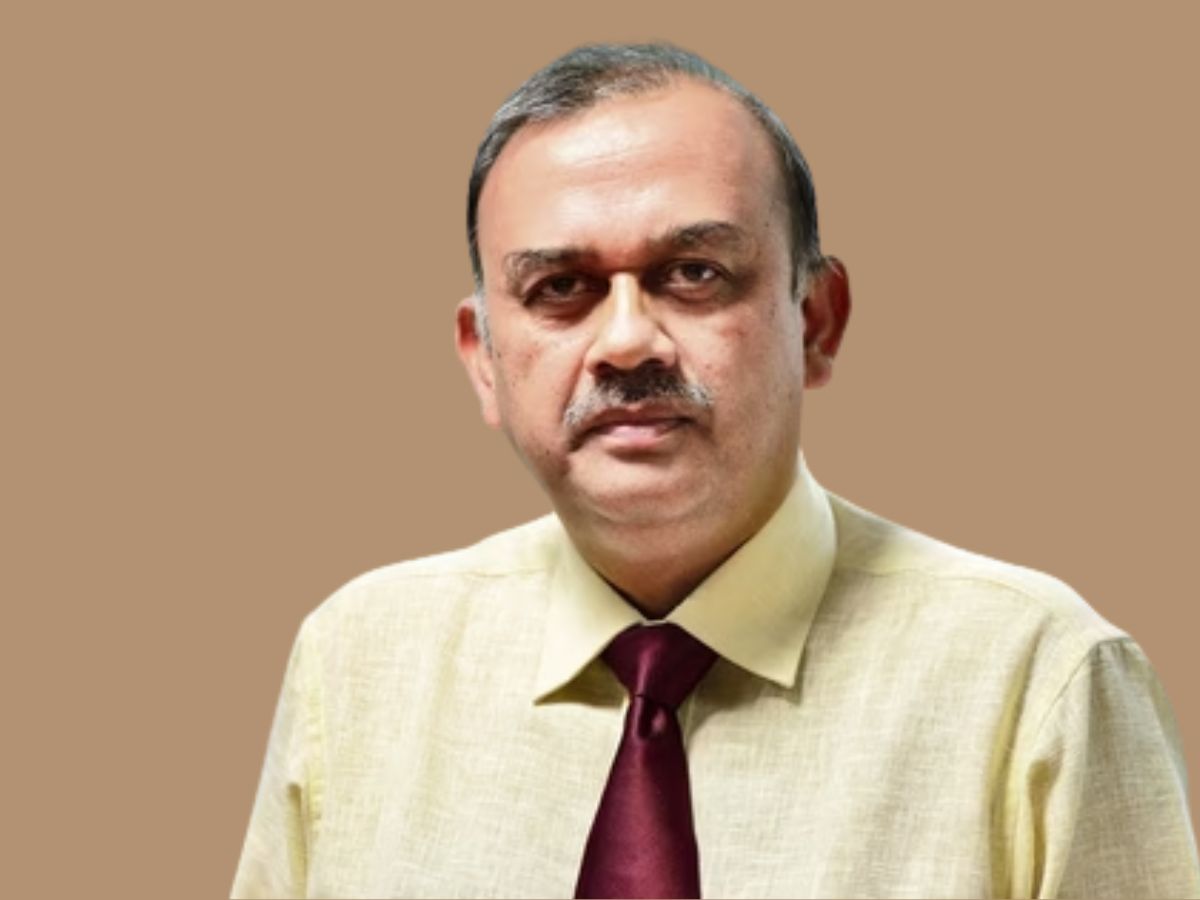
Atanu Chakraborty stepped down as part-time chairman of HDFC Bank. (Photo: X, Canva)
In a surprise leadership shake-up, Atanu Chakraborty stepped down as part-time chairman of HDFC Bank with immediate effect, citing concerns over “values and ethics.” His resignation, which comes midway through his extended term ending in 2027, has sparked questions around governance at one of India’s most systemically important financial institutions.
In his resignation letter, Chakraborty pointed to a “mismatch” between his personal principles and certain internal developments within the bank over the past two years. However, he stopped short of detailing specific issues, leaving room for speculation.
The most striking aspect of Chakraborty’s resignation is the language he used.
“Certain happenings and practices within the bank… are not in congruence with my personal values and ethics,” he wrote, without elaborating further.
He also clarified that there were “no other material reasons” behind his decision. The lack of specifics has made the resignation unusual, especially given his seniority and the bank’s stature.
His exit comes at a time when the bank is still integrating its landmark merger with HDFC Ltd a $40 billion deal that created a financial services giant but is yet to fully deliver expected synergies.
Amid rising concerns, the Reserve Bank of India moved quickly to calm investor sentiment. The central bank stated that it sees no material concerns regarding the bank’s governance or conduct.
In an official statement, the RBI described HDFC Bank as a “Domestic Systemically Important Bank” with strong fundamentals, sound financials, and a professionally run board.
The regulator also emphasised that the bank remains well-capitalised and maintains adequate liquidity, adding that it will continue to engage with the management going forward.
This reassurance is significant, as RBI oversight plays a crucial role in maintaining confidence in India’s banking system.
Following Chakraborty’s departure, the RBI approved the appointment of Keki Mistry as interim non-executive chairman for a period of three months, effective March 19.
Mistry, a long-time insider in the HDFC group, is expected to ensure continuity during the transition. The bank’s management has also attempted to downplay concerns arising from the resignation.
Mistry stated that there had been “no discussion with regards to governance within the board” and that board members were unaware of the specific issues flagged by Chakraborty.
Despite regulatory reassurance, the market reaction was swift and sharp. The bank’s American Depositary Receipts (ADRs) fell more than 7% after the news broke, indicating unease among global investors.
This reaction reflects the weight of leadership signals in large financial institutions, particularly when the reasons for departure are unclear.
Shares in Mumbai had already closed slightly lower before the announcement, but the global response underscores the sensitivity of investors to governance-related developments.
Top leadership at HDFC Bank has sought to contain the fallout. CEO Sashidhar Jagdishan stressed that operations remain stable and that the bank will continue to maintain trust.
Mistry echoed similar sentiments, asserting that the resignation has “nothing to do with operational profitability” and that the RBI remains fully informed and comfortable with the situation.
These statements aim to reinforce stability, particularly at a time when the bank is under close scrutiny following its merger.
Chakraborty’s tenure coincided with a transformative phase for the bank, including its merger with HDFC Ltd. While the deal positioned the bank as a financial powerhouse, analysts have pointed out that integration challenges remain.
Chakraborty himself described the merger as “momentous” but acknowledged that its full benefits are yet to “fructify.”
This context adds another layer to the mystery, raising questions about whether his concerns were linked to integration processes, governance structures, or internal decision-making dynamics.
Despite multiple statements from the bank, management, and the RBI, key questions remain unresolved:
What were the “certain happenings and practices” Chakraborty referred to?
Why did these concerns emerge only after two years on the board?
Was the resignation linked to internal disagreements, or broader governance issues?
With no detailed explanation forthcoming, the episode leaves a gap between regulatory reassurance and the concerns flagged by a senior insider.
For now, the Reserve Bank of India’s backing has helped stabilise confidence around HDFC Bank. However, Chakraborty’s carefully worded exit continues to fuel speculation.
As one of India’s most important financial institutions navigates this transition, the focus remains on continuity, transparency, and restoring investor confidence.
Until more clarity emerges, the real trigger behind Atanu Chakraborty’s resignation despite “no red flags” from the RBI remains an unresolved mystery.
Sofia Babu Chacko is a journalist with over five years of experience reporting on Indian politics, crime, human rights, gender issues, and stories about marginalized communities. She believes journalism plays a crucial role in amplifying unheard voices and bringing attention to issues that truly matter. Sofia has contributed articles to The New Indian Express, Youth Ki Awaaz, and Maktoob Media. She is also a recipient of the 2025 Laadli Media Awards for gender sensitivity. Beyond the newsroom, she is a music enthusiast who enjoys singing. Connect with Sofia on X: https://x.com/SBCism
The National Commission for Women (NCW) has summoned actor Nora Fatehi, Sanjay Dutt, Raqueeb Alam,…
Saudi Arabia says its trust in Iran is “completely shattered” and has warned it may…
Downloading Dhurandhar 2: The Revenge illegally? You could face Rs 3 lakh fine or jail…
