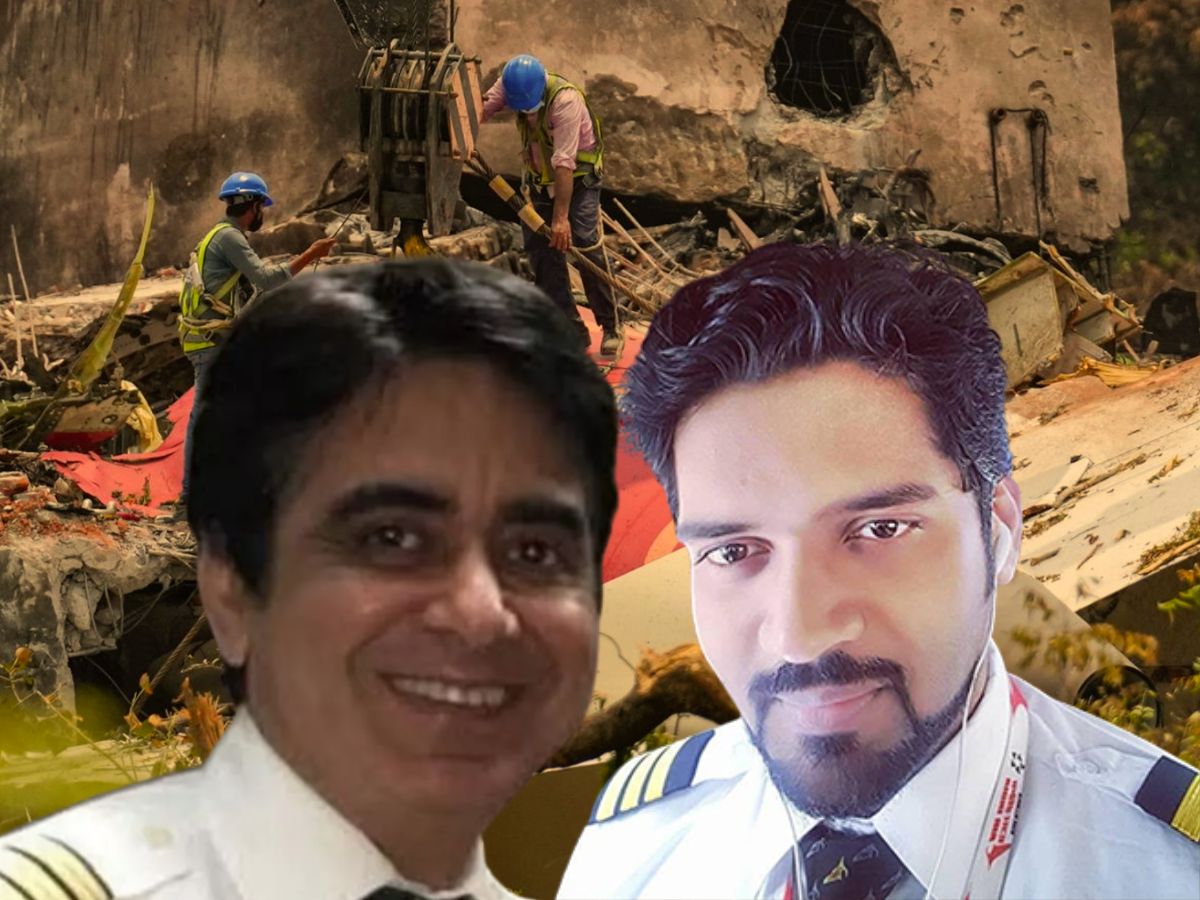
On June 12, India shook by a devastating plane crash when Air India Flight 171 crashed only 30 seconds after takeoff from Ahmedabad Airport. The Boeing 787-8 Dreamliner that was flying to London Gatwick, crashed in a residential area mainly on the hostel block of BJ Medical College. The crash killed 241 individuals, including 230 passengers and crew members, as well as 19 people on the ground. Another 67 people were seriously injured. One passenger was survived.
After the plane crash, grief quickly gave way to speculation especially among media fraternity, both at home and globally. A preliminary report released on July 12 by the Aircraft Accident Investigation Bureau (AAIB) revealed that the fuel control switches had transitioned to the CUTOFF position just 3 seconds after the aircraft became airborne, effectively cutting fuel supply to the engines.
Ahmedabad plane crash: Western Media Hasty
The technical disclosure by the AAIB opened a floodgate of worldwide coverage in the media. Western media outlets jumped on the cockpit data, using pilot error as a probable explanation eliciting criticism from aviation experts and Indian authorities alike.
It was BBC coverage that incited the most biting criticism. In a highly watched clip, BBC had added the caption: “Pilot cut off fuel to engine no fault with plane” with little context, and a frame that seemed to lay the blame at the crew’s feet. The criticism came quickly. Ex-pilot and YouTuber Gaurav Taneja (Flying Beast) criticized the BBC for “giving Boeing a clean chit without mentioning possible mechanical flaws,” citing a 2018 FAA bulletin regarding potential malfunctions in the fuel control switch locking system.
CNN quoted aviation analyst David Soucie in reporting that “engine fuel supply was cut just before India jet crash.” According to Soucie, he emphasized that involuntary shutdowns are not common because the design of fuel switches makes them difficult to turn off by mistake.
Journalist Barkha Dutt also criticised, labeling the BBC’s account “reckless” and “premature.” Whereas, The Telegraph and Metro UK also resonated with the pilot error theory. Metro blared: “Air India plane crash investigation focuses on ‘mistake’ made by pilots”, while The Telegraph asked: “Air India pilot asked why fuel had been cut off moments before fatal crash.”
Conversely, The Guardian and The New York Times provided more balanced perspectives, recognizing both the premature cut-off and the open questions regarding the mechanical soundness of the aircraft.
Ahmedabad plane crash: Ministry of Civil Aviation responded
India’s Ministry of Civil Aviation released a stern remark on July 18, accusing certain foreign media of “selective and unverified reporting” that misinterpreted the facts. The ministry requested the international media to “wait for the final investigation before concluding.”
AAIB also criticised media speculations warning that such speculative reporting was “irresponsible” and would confuse the public while the investigation is still on. The agency also continued to stress that all the possible factors mechanical failure, crew action, or design flaws are still being investigated.
Earlier, the Wall Street Journal had wrote that “new details in the probe are shifting focus to the senior pilot,” showing a possible oversight in the cockpit. But with the AAIB still in the middle of the investigation and final findings yet to be made, quite a few in India have called for restraint.
With black box information being scrutinized further and Boeing coming under growing pressure for previous technical bulletins, analysts say it’s premature to place blame. Victims families however also called for transparency and accountability by both Air India and Boeing.
Western media narrative on Ahmedabad plane tragedy questions the scope of good journalism worldwide.
Sofia Babu Chacko is a journalist with over five years of experience reporting on Indian politics, crime, human rights, gender issues, and stories about marginalized communities. She believes journalism plays a crucial role in amplifying unheard voices and bringing attention to issues that truly matter. Sofia has contributed articles to The New Indian Express, Youth Ki Awaaz, and Maktoob Media. She is also a recipient of the 2025 Laadli Media Awards for gender sensitivity. Beyond the newsroom, she is a music enthusiast who enjoys singing. Connect with Sofia on X: https://x.com/SBCism