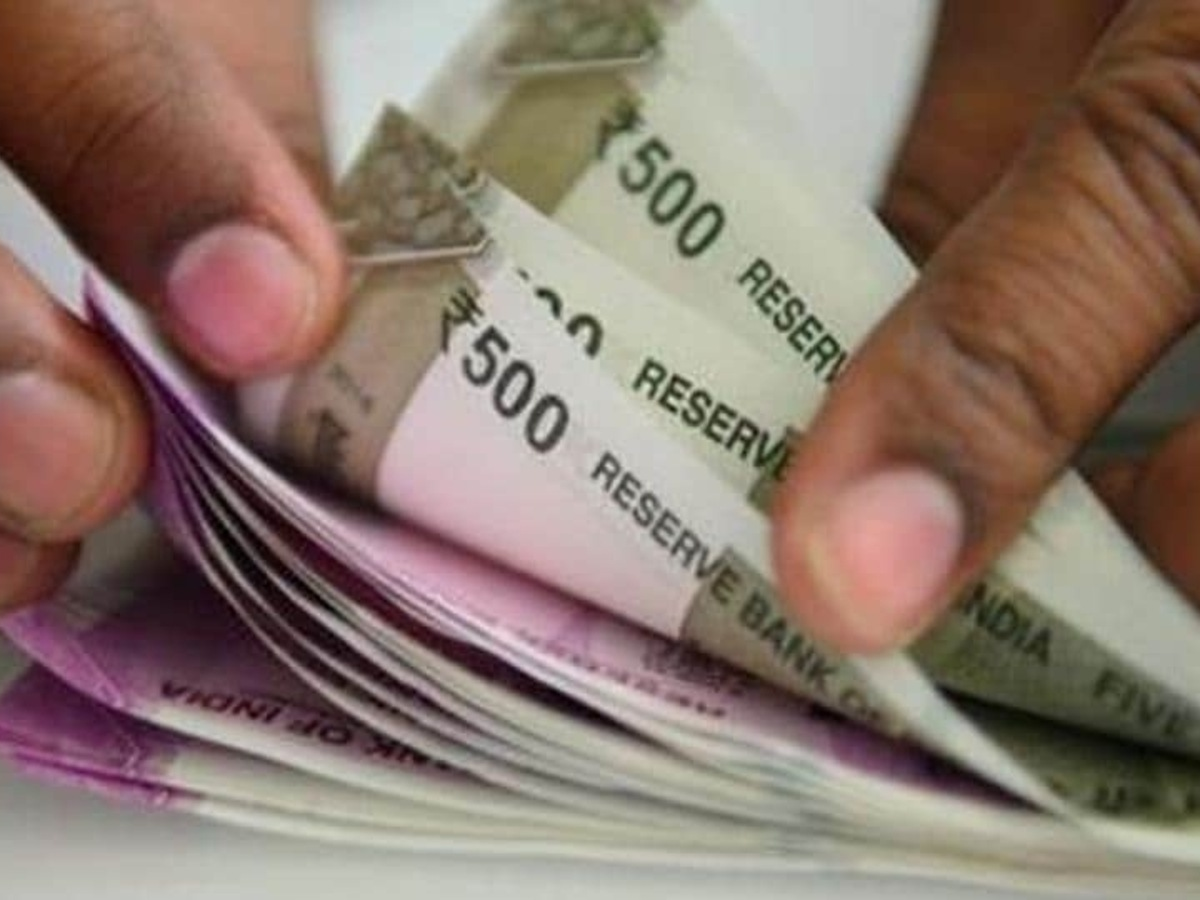
The ‘Bachat Utsav’ – named by PM Modi will start tomorrow as the Goods and Services Tax (GST) system will be implemented from tomorrow. Finance Minister Nirmala Sitharaman said the reform will pump Rs 2 lakh crore into the economy by leaving more disposable income in consumers’ hands.
The new structure reduces tax rates on essentials, medicines, stationery, and services, while placing luxury and sin goods under a 40 percent GST slab. The government has merged cess with GST for high-end items, marking the biggest overhaul since the tax was first rolled out in 2017.
The revised GST brings relief on daily essentials like UHT milk, paneer, chena, and all types of Indian breads such as roti, paratha, khakhra, and pizza bread. The government has moved over 50 items to the Nil GST bracket, cutting costs for common households.
Stationery products such as erasers, pencils, sharpeners, chalks, crayons, and notebooks also fall under the zero-tax list, reducing school and office expenses. Popular consumer goods like butter, biscuits, dry fruits, jams, ketchup, ghee, juices, ice cream, and sausages will now be cheaper, boosting savings for middle-class families across India.
Healthcare received major focus in GST 2.0. The government exempted 33 lifesaving drugs and therapies, including treatments for cancer and rare diseases such as Agalsidase Beta, Imiglucerase, Daratumumab, and Risdiplam, from tax. Medicines earlier taxed at 12 percent will now attract Nil GST, cutting treatment costs for patients. The relief also covers critical therapies for genetic disorders, hemophilia, and spinal muscular atrophy. Medical devices like diagnostic kits and glucometers now carry only 5 percent GST, lowering healthcare expenses. This reform directly supports patients and families who face high costs in medical treatment and long-term care.
The government slashed GST on cement from 28 percent to 18 percent, reducing the cost of building homes and infrastructure. Kitchen appliances and electronics such as ACs, TVs, washing machines, and dishwashers moved to the 18 percent slab from 28 percent.
Toiletries like soaps, shampoos, shaving creams, and hair oil now fall under lower tax rates. In the services sector, haircuts, yoga centres, gyms, salons, and health clubs attract reduced GST, making them more affordable. Restaurant dining at premium outlets, however, remains in the 18 percent slab, along with imported smartphones and premium gadgets.
GST 2.0 imposes a 40 percent tax on sin goods such as cigarettes, bidis, chewing tobacco, gutka, and pan masala. The same rate applies to online gaming and betting, marking the government’s strict stance on non-essential consumption.
Luxury vehicles, including SUVs and MPVs above 1,200 cc (petrol) and 1,500 cc (diesel), as well as motorcycles above 350 cc, now attract 40 percent GST. Soft drinks and aerated beverages like Coca-Cola, Pepsi, Fanta, and Mountain Dew also face the highest tax slab. Despite some rate restructuring, these categories remain the costliest under the new system.
Swastika Sruti is a Senior Sub Editor at NewsX Digital with 5 years of experience shaping stories that matter. She loves tracking politics- national and global trends, and never misses a chance to dig deeper into policies and developments. Passionate about what’s happening around us, she brings sharp insight and clarity to every piece she works on. When not curating news, she’s busy exploring what’s next in the world of public interest. You can reach her at [swastika.newsx@gmail.com]
M Chinnaswamy New Guidelines For IPL 2026: RCB Return Home With Reduced Crowd And Safety Measures
Royal Challengers Bengaluru return to Chinnaswamy for IPL 2026 under strict new guidelines, including reduced…
The US military launched a high-impact strike on Iranian missile sites near the Strait of…
Loud explosions rocked Dubai early Wednesday as Iran escalated retaliatory strikes across the Gulf. UAE…
