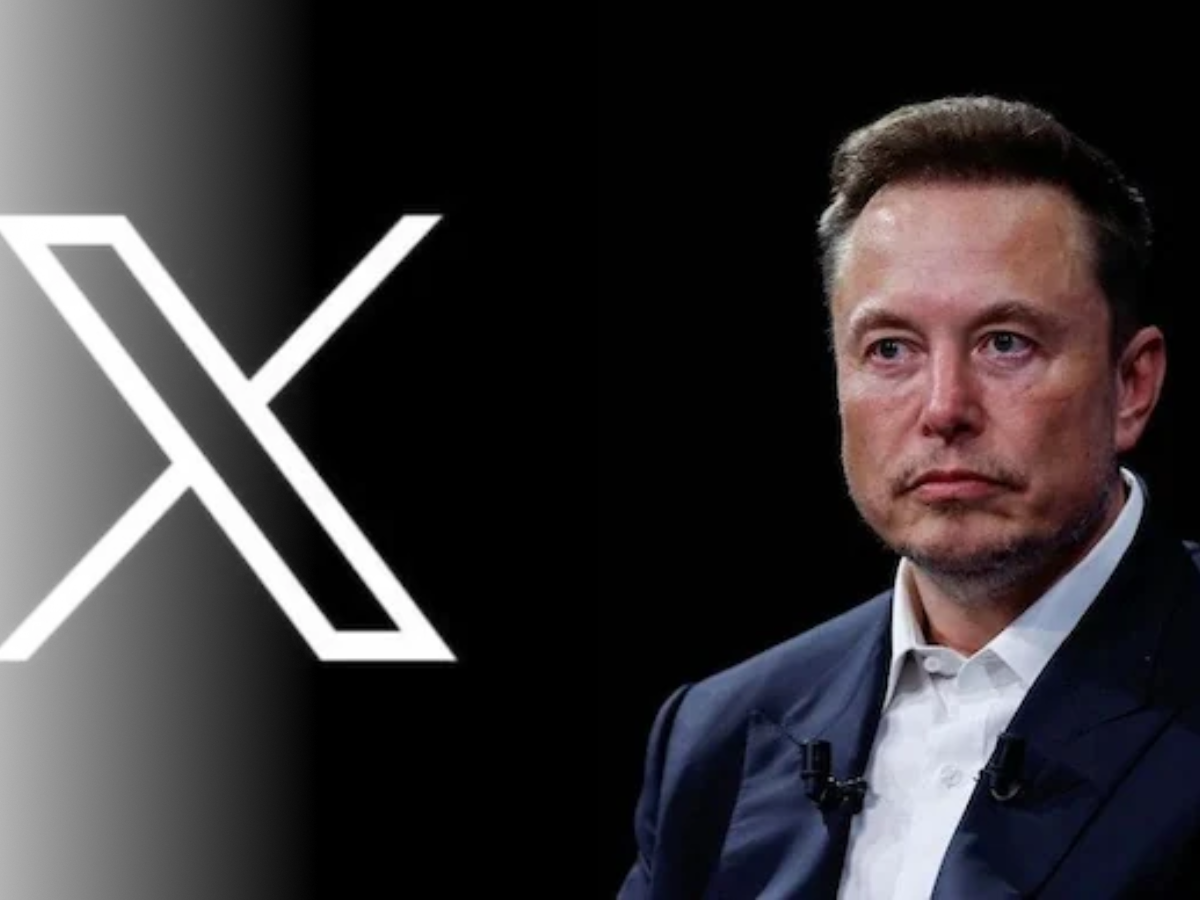
Elon Musk’s 'X' Launches Home, Lock Screen Widgets For iPhone And iPad Users (Pic Credits: X)
The European Union imposed a €120 million ($140 million) fine on Elon Musk’s social media platform X after completing a two-year investigation under the Digital Services Act (DSA). The probe examined X’s transparency systems and found multiple violations. Musk reacted on X and used strong language to criticise the decision.
The EU stated that the action followed a detailed review of platform practices and stressed that all major online services must follow safety and transparency requirements. The DSA allows heavy penalties for large platforms that fail to manage risks related to illegal content, scams, and misinformation.
Elon Musk responded within hours of the announcement and rejected the decision on his platform. He wrote that the ruling was “bullshit” and later said the EU targeted him personally.
Musk said he would consider a response against individuals involved in the decision because the penalty also applied to him directly.
His comments followed statements from US officials who criticised the EU’s move. They argued that the fine affected American businesses and free speech. Musk continued to post about the case throughout the day and stated that he planned to challenge the findings.
The European Commission listed 3 major violations during the investigation:
2.The Commission also found problems in the platform’s ad transparency system because researchers could not easily identify who bought ads or how they were targeted.
3. In addition, the EU said X blocked researchers from accessing public data that is required to examine systemic risks. These issues resulted in the final €120 million penalty. Regulators gave the platform 60 to 90 days to resolve the problems.
The EU said X’s blue checkmark system confused users about account authenticity. Before the 2022 ownership change, the platform verified public figures through a review process. After the change, the checkmark became a paid feature through X Premium.
The Commission said the new system allowed accounts to appear verified without confirming identity. It said this increased the chance of fraud and misinformation.
The EU assigned a significant part of the fine to this issue and stated that large platforms must clearly show if account information can be trusted.
The Digital Services Act requires platforms to maintain detailed ad repositories that researchers and officials can access. The EU investigation found multiple gaps in X’s system.
It said the repository did not show who purchased ads, how they targeted users, or how much they spent.
The Commission reported delays, technical barriers, and missing information. Regulators said these issues limited the ability to detect illegal ads or influence operations. As a result, they added a separate fine for ad transparency failures and asked X to update the tools within the set deadline.
The European Commission also raised concerns about restrictions on researchers who needed access to public data. Under the DSA, major platforms must allow researchers to study issues such as hate speech, disinformation, and risks during elections. The EU said X created unnecessary obstacles that prevented this access.
Regulators added that reduced visibility into platform activity affected their ability to check compliance. This issue became another major part of the penalty. The EU said large online platforms must support consistent monitoring to protect users and democratic processes.
The penalty triggered immediate political reactions in the United States. Several US leaders called the fine an attack on American technology companies.
They said the EU used strong regulations to pressure platforms and restrict speech. Statements from senior officials, including senators, criticised the action and urged the US to respond.
They argued that the DSA encourages censorship and affects open discussion. The EU rejected these claims and said the decision followed legal steps. The Commission stated that the fine was the result of a structured investigation and not a political move.
This is the first major enforcement case under the Digital Services Act, which fully came into effect in 2024. The law applies to very large online platforms with global reach.
The EU said the case sets an example for future compliance checks across the industry. It added that X must correct the violations to avoid harsher action.
The Commission said platforms must take responsibility for risks created by their systems. X stated that it would review the findings and continue discussions with regulators. The platform has deadlines of up to 90 days for full compliance.
Swastika Sruti is a Senior Sub Editor at NewsX Digital with 5 years of experience shaping stories that matter. She loves tracking politics- national and global trends, and never misses a chance to dig deeper into policies and developments. Passionate about what’s happening around us, she brings sharp insight and clarity to every piece she works on. When not curating news, she’s busy exploring what’s next in the world of public interest. You can reach her at [swastika.newsx@gmail.com]
The Men in Blue will enter the T20 World Cup final against New Zealand at…
Vikram On Duty, starring Nikhil Maliyakkal, is now streaming on JioHotstar. The Telugu investigative drama…
Kerala Blasters vs Chennaiyin Live Streaming: Where to Watch ISL match on TV and Online In India?
Check out the Live Streaming and Telecast details of Check out the Live Streaming and…
