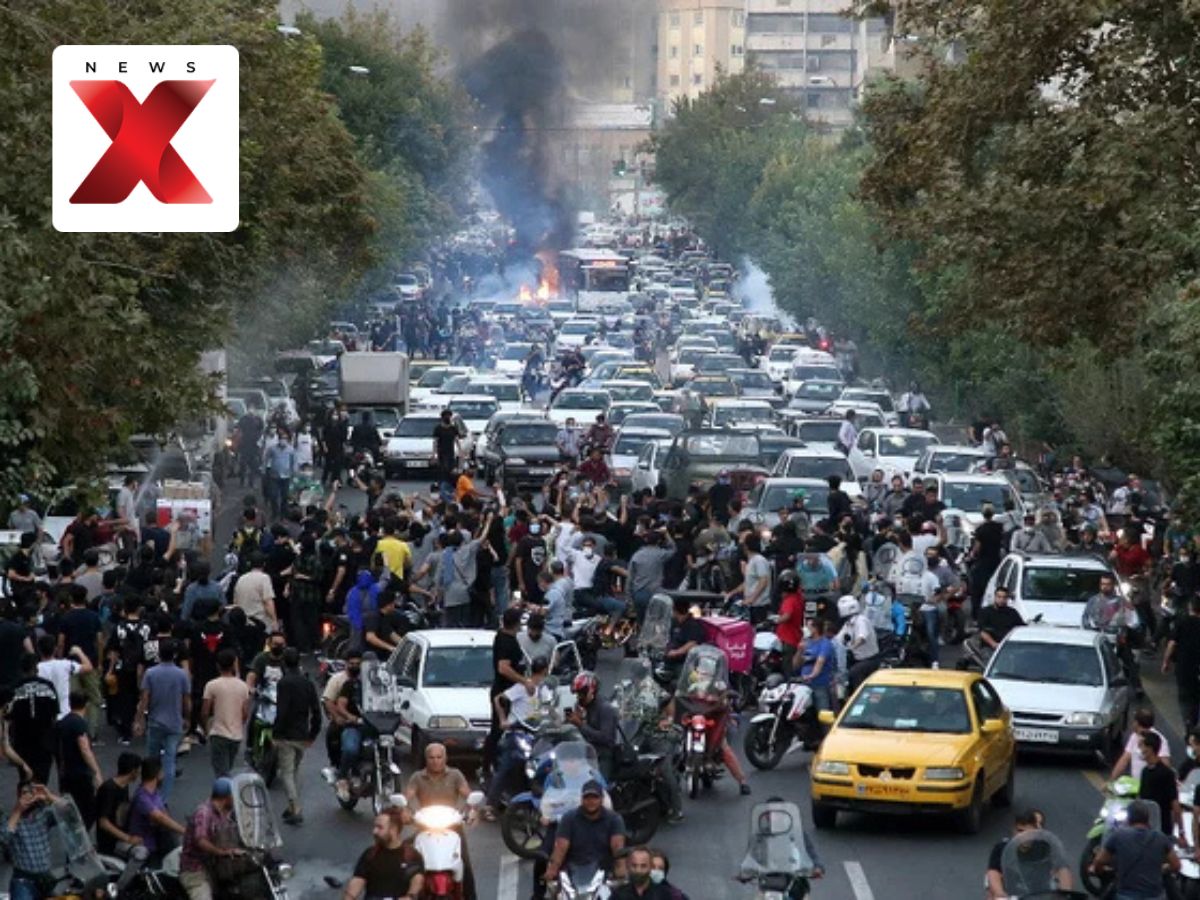
A nationwide internet blackout was reported in Iran on Thursday, internet monitoring group NetBlocks said, as Tehran rolled out high-stakes subsidy reforms in the face of escalating protests against economic hardship.
No further information on the internet outage was immediately available.
Witnesses in the capital Tehran and major cities of Mashhad and Isfahan told Reuters that protesters gathered again in the streets on Thursday, chanting slogans against the Islamic Republic’s clerical rulers.
Reza Pahlavi, the exiled son of Iran’s late Shah toppled in the 1979 Islamic Revolution, called in a video post on X on Wednesday for more protests.
Posts on social media, which could not be independently verified by Reuters, said demonstrators chanted pro-Pahlavi slogans in several cities and towns across Iran.
The current protests, the biggest wave of dissent in three years, began last month in Tehran’s Grand Bazaar with shopkeepers condemning the rial currency’s free fall.
Unrest has since spread nationwide amid deepening distress over economic privations arising from rocketing inflation driven by mismanagement and Western sanctions, and curbs on political and social freedoms.
President Masoud Pezeshkian warned domestic suppliers against hoarding or overpricing goods, state media reported earlier on Thursday.
“People should not feel any shortage in terms of goods’ supply and distribution,” he said, calling upon his government to ensure adequate supply of goods and monitoring of prices across the country.
The subsidy reforms are meant to favour consumers over importers by removing preferential currency exchange rates that allowed importers to access foreign currency at rates cheaper than those available to ordinary Iranians.
According to the policy, Iranians will be given about $7 a month to purchase basic goods in select grocery stores. The price of some basic goods, such as cooking oil or eggs, has significantly increased since the policy was announced.
Tehran remains under international pressure with U.S. President Donald Trump threatening to come to the aid of protesters if security forces fire on them, seven months after Israeli and U.S. forces bombed Iranian nuclear sites.
(INPUTS FROM REUTERS)
Shubhi is a seasoned content writer with 6 years of experience in digital media. Specializing in news, lifestyle, health, sports, space, optical illusions, and trending topics, she crafts engaging, SEO-friendly content that informs and captivates readers. Passionate about storytelling, Shubhi blends accuracy with creativity to deliver impactful articles across diverse domains.
Every love story has a starting point. For Vijay and Rashmika, it was on the…
Ten-month executive education programme strengthens strategic readiness, executive presence & C-suite leadership pathways for women…
After Supreme Court Rap, NCERT Set To Drop Judicial Corruption Chapter From Textbooks: Sources
Judicial Corruption Topic to Be Deleted from NCERT Books Following Supreme Court Rap
