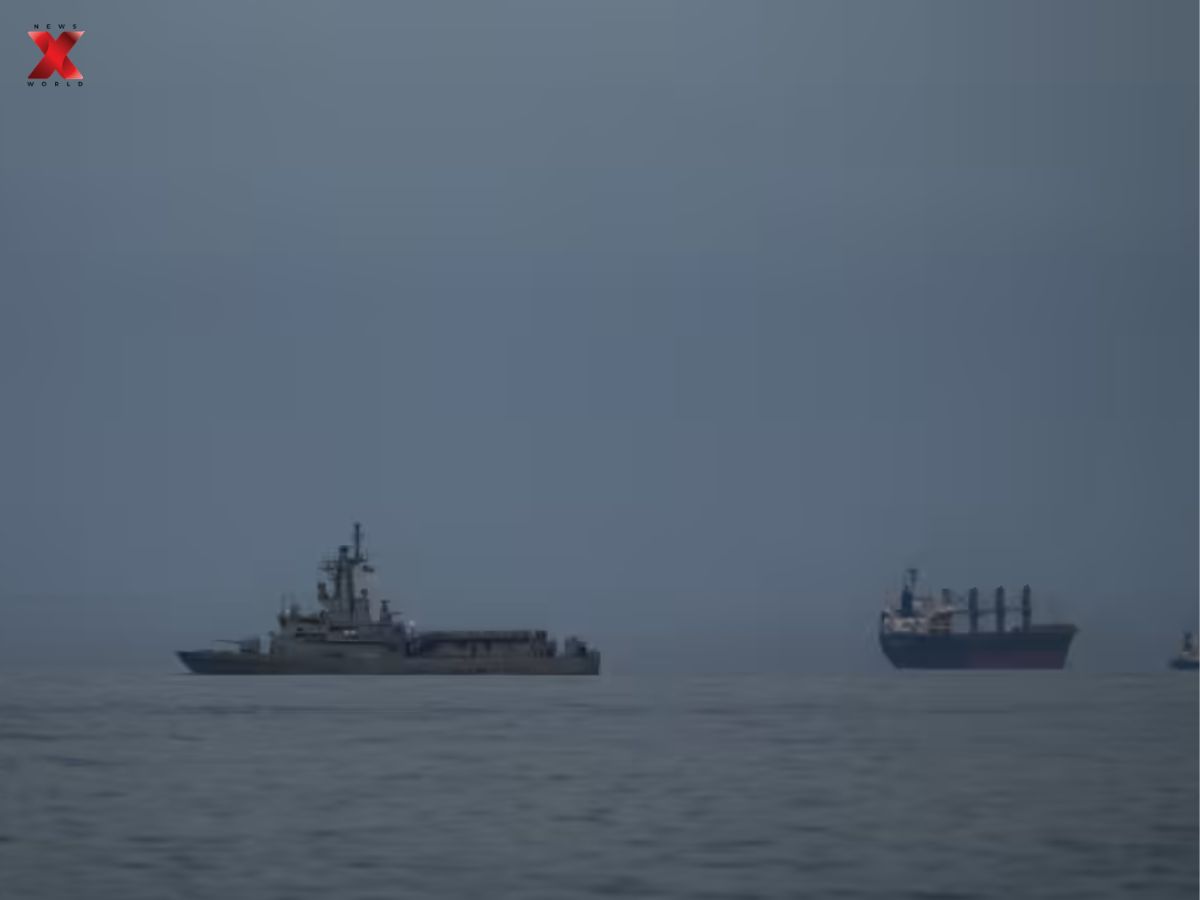
Iran’s Hormuz Toll Plan Triggers Global Energy Shock and Legal Debate
The joint military operation, which began on February 28, has caused major changes to the Middle East geopolitical situation. Tehran is currently using its strongest geographic resource, which is the Strait of Hormuz, because it suffered high-level leadership losses and faced continuous aerial attacks.
Iranian lawmakers have introduced a legislative proposal that would require all commercial vessels to pay tolls and taxes while traveling through the waterway, including oil and gas tankers.
Tehran presents this action as a “security fee,” which they need to impose for maintaining safe access to the passage, but it actually transforms a global commons into a revenue-generating territory that supports their economy during wartime.
The proposal to implement maritime taxation signals a departure from traditional naval blockades toward a model of economic coercion.
The Iranian parliament established its authority over the corridor, which transports 20% of worldwide petroleum, through its requirement of paying fees for “energy and food security” services. Somayeh Rafiei and other officials support their legislative initiative, which establishes a requirement that all ships requesting “safe passage” must pay fees to the Islamic Republic.
The system functions for two purposes because it delivers urgent funds to support a declining military system while it compels nations to acknowledge Iranian rights over the strait during times when the country endures intense pressure from U.S. and Israeli military forces.
The proposed levies and the existing strikes against Gulf infrastructure resulted in immediate energy market disruptions, which produced extreme energy price changes throughout international markets.
The combination of Brent crude prices exceeding $110 per barrel and natural gas benchmarks reaching double their previous levels created an inflation crisis because of the extended “toll gate” threat at Hormuz. Iran’s attacks on refineries located in Saudi Arabia and the UAE guarantee that alternative Red Sea shipping routes will remain dangerous.
The international community studies the validity of these transit charges, which violate the UN Convention on the Law of the Sea, while the global economy faces increasing expenses for passing through this dangerous maritime chokepoint.
A recent media graduate, Bhumi Vashisht is currently making a significant contribution as a committed content writer. She brings new ideas to the media sector and is an expert at creating strategic content and captivating tales, having working in the field from past four months.
US F-35 Hit By Suspected Iranian Fire, Makes Emergency Landing, What Really Happened Mid-Air?
A US F-35 made an emergency landing after a suspected Iranian strike during a combat…
Garima Malhotra, mother of designer Manish Malhotra, passed away peacefully at 94 in Mumbai on…
The Chhattisgarh Professional Examination Board has declared CG TET 2026 results on March 19. Candidates…
