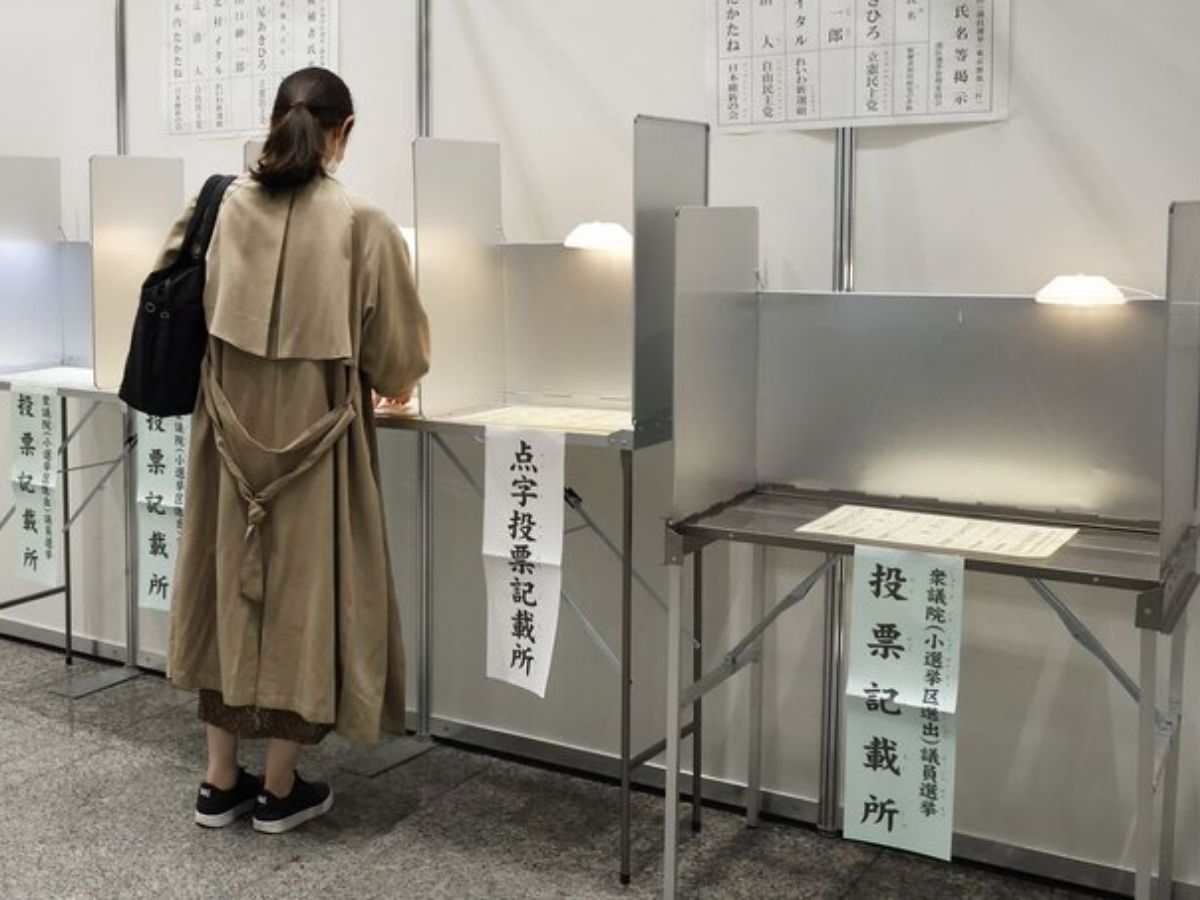
Exit polls show Japan's ruling coalition likely losing upper house majority, raising political instability amid inflation, trade pressure and nationalist gains. (Photo: X/@business)
Exit polls from public broadcaster NHK and other media suggest the LDP-Komeito coalition will fall short of the 125-seat majority in the 248-seat upper chamber, according to a report published by Reuters late Sunday.
Varied projections range from 32 to 51 seats, far below the 50 needed to maintain control. Some forecasts even rank this as their worst result since 1999, the report said.
Though the upper house can’t directly remove the prime minister, the likely loss is expected to weaken Prime Minister Shigeru Ishiba’s grip on power. Already leading a minority government after losing the lower house in October, Ishiba now risks facing no-confidence motions and pressure within the LDP to step aside.
Exit polls suggest voters are seeking a potential change in the governance over soaring prices, especially staple foods like rice. Many supported opposition calls to cut consumption tax, a stance the LDP rejected, as reported by Reuters.
“The LDP was largely playing defence in this election, being on the wrong side of a key voter issue,“ Eurasia Group’s David Boling told the news agency.
The nationalist Sanseito party, which largely campaigned on anti-foreigner, anti-vaccine and anti-globalism themes, appears set to secure between 10 and 15 seats, compared with just one previously
This political shake-up comes amid a US trade deal deadline of August 1, with a failure expected to trigger hefty tariffs on Japan’s exports. Investors also worry as Japan faces its largest debt load, and any instability may rattle financial markets, the report further said.
While smaller parties like Sanseito and the Democratic Party for the People are gaining, the core opposition remains fragmented, lacking a unified voice to effectively govern or challenge.
ALSO READ: Japan Votes in Key Test for PM Ishiba’s Leadership Amid Rising Discontent, Populist Surge
A major Reddit outage disrupted services worldwide from late Thursday night to early Friday, leaving…
Prime Video India unveils a massive 2026 slate with 55 titles, blending streaming and theatrical…
US F-35 Hit By Suspected Iranian Fire, Makes Emergency Landing, What Really Happened Mid-Air?
A US F-35 made an emergency landing after a suspected Iranian strike during a combat…
