Crude Oil
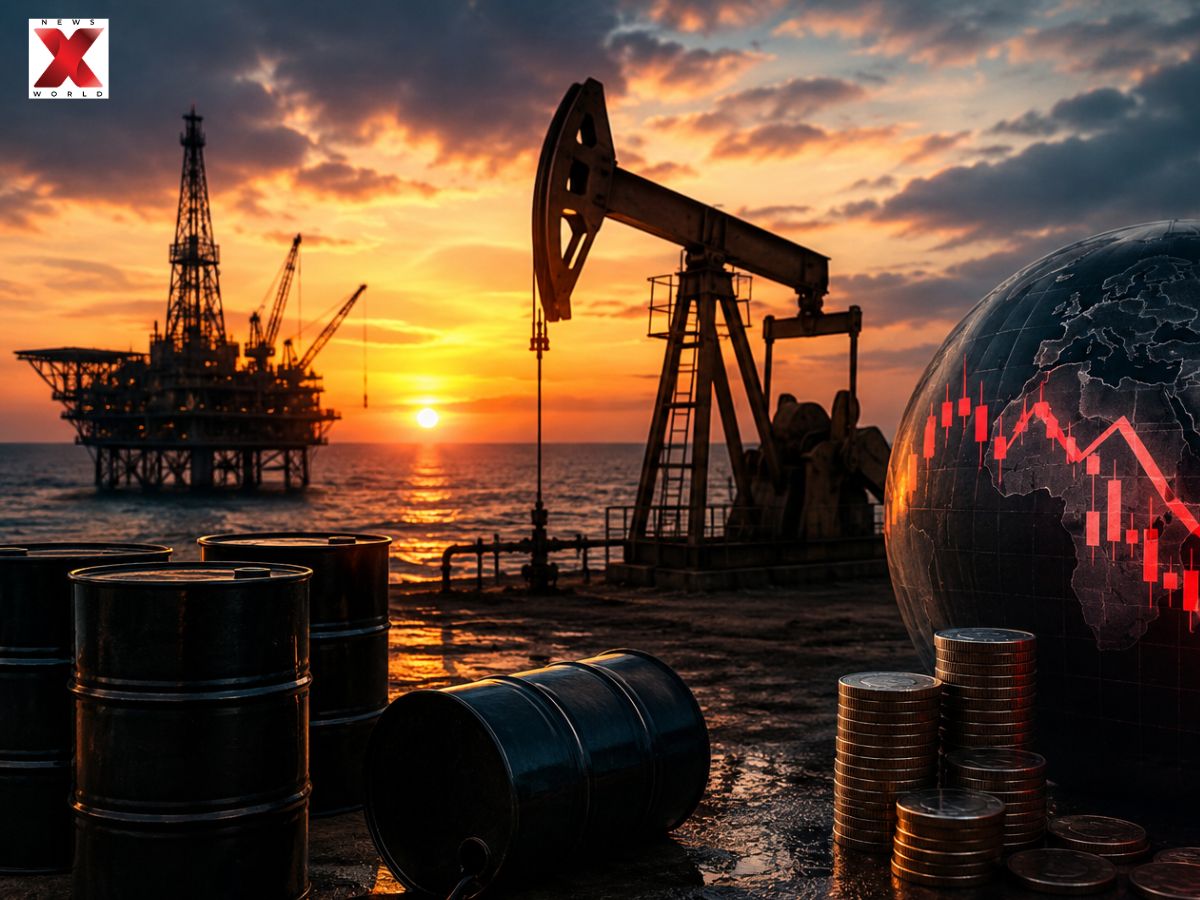
Oil Prices Calm Down, But Still Acting Nervous Like a Tense Exam Week: Here’s Why- Global oil prices are seeing a mild correction after a strong 8% rally over the past three sessions. Around 7:50 AM, Brent crude was trading at $107.08 per barrel, down 0.64%, while WTI stood at $101.53. Despite this dip, prices remain elevated after a recent 3% gain, showing the market is still overheated and jittery. In simple words, oil is not really relaxing-it is just taking a short break after running too fast. The main driver behind this volatility is ongoing geopolitical tension in West Asia, especially the Iran conflict, which is keeping traders reactive to headlines rather than fundamentals. Adding to the noise, remarks from former US President Donald Trump stating that the US does not need China’s help and will “win the war one way or the other” have further increased uncertainty. Overall, oil is behaving like a nervous student before exam results-every headline feels like a new question, and stability is still missing.
The Strait of Hormuz, the world’s key oil route that ships almost 20% of global crude and gas trade, was reportedly shut for around 75 days, disrupting the global flow of energy and choking supply like a bottleneck on a highway. Oil markets have less supply and more anxiety. India is especially feeling the heat, as the country depends heavily on crude imports, and higher prices and uncertainty in global supply are raising domestic fuel costs and hurting the economy.
In short, the world’s oil artery is blocked and, between global traders and Indian consumers, everyone is burning to get through. Oil markets are more fear than fundamentals, and that makes everything tense and unpredictable.
| Parameter | Details |
|---|---|
| India Crude Basket Price | ~$104 per barrel (as of May 11, 2026) |
| Composition | Brent Dated (Sweet crude) + Oman/Dubai average (Sour crude) |
| Primary Users | Indian oil refiners (IOCL, BPCL, HPCL, etc.) |
| Price Trend | Sustained elevated levels after global rally |
| Global Brent Price | ~$107 per barrel (recent trading range) |
| WTI Price | ~$101 per barrel (recent trading range) |
| Key Driver | West Asia geopolitical tensions + supply disruptions |
| Supply Route Risk | Strait of Hormuz disruption impacting ~20% global crude trade |
| India Impact | Higher import bill + pressure on current account deficit |
| Economic Effect | Fuel subsidy pressure + inflationary risk in transport costs |
| Government Response | Push for fuel conservation and forex management measures |
| Industry Concern | Oil marketing companies facing heavy under-recovery losses |
The Indian government is calling for less petrol and diesel usage because of high global crude oil prices. When oil prices increase, India needs to spend more on imports, which affects the country’s foreign exchange reserves. Prime Minister Narendra Modi made two appeals this week asking people to save fuel. He suggested using public transport, not commuting to work if possible, and travelling less. Simply, the government wants people to save fuel so that India can save money and reduce high import costs. Since oil prices worldwide are very unstable, even daily commuting habits in India are becoming very important for the economy.
In short, it means: “use less fuel so that the country can save more money.”
Aishwarya is a journalism graduate with over three years of experience thriving in the buzzing corporate media world. She’s got a knack for decoding business news, tracking the twists and turns of the stock market, covering the masala of the entertainment world, and sometimes her stories come with just the right sprinkle of political commentary. She has worked with several organizations, interned at ZEE and gained professional skills at TV9 and News24, And now is learning and writing at NewsX, she’s no stranger to the newsroom hustle. Her storytelling style is fast-paced, creative, and perfectly tailored to connect with both the platform and its audience. Moto: Approaching every story from the reader’s point of view, backing up her insights with solid facts.
Always bold with her opinions, she also never misses the chance to weave in expert voices, keeping things balanced and insightful. In short, Aishwarya brings a fresh, sharp, and fact-driven voice to every story she touches.
Ranveer Singh’s Dhurandhar 2: The Revenge continues its strong box office run even after 55…
Aries Love Horoscope 13 May 2026: Passion, Romance And Emotional Surprises Await Today
Aries Love Horoscope 13 May 2026: Aries may enjoy passion, emotional clarity and stronger romantic…
Why Vijay Revokes His Astrologer Radhan Pandit Vettrivel’s Appointment
Vijay has revoked the appointment of astrologer Radhan Pandit Vettrivel as Officer on Special Duty…
