Curious about how power gets cheaper?
India’s Environment Ministry just made a big move! On July 11, 2025, it revised sulphur dioxide norms for coal and lignite power plants. What’s the buzz? “Category C” plants—those located outside sensitive or polluted zones—no longer need to install costly Flue Gas Desulphurization (FGD) systems. These systems remove harmful SO₂ from emissions. According to CareEdge Ratings, this change could save ₹87,000 to ₹1.16 lakh crore in capital costs and cut your electricity bills by ₹0.17 to ₹0.22 per unit! That’s ₹19,000 to ₹24,000 crore in annual savings.
| Category | Details |
|---|---|
| Capex Savings | ₹87,000–₹1.16 lakh crore |
| Annual Tariff Savings | ₹19,000–₹24,000 crore (₹0.17–₹0.22/unit) |
| Coal Generation Share | 75% of generation, 47% of capacity |
| Projected Coal Share 2030 | ~60%, ~1,233 billion units |
| Compliance Deadlines | Cat A: Dec 2027; Cat B: case-by-case; Cat C: exempt |
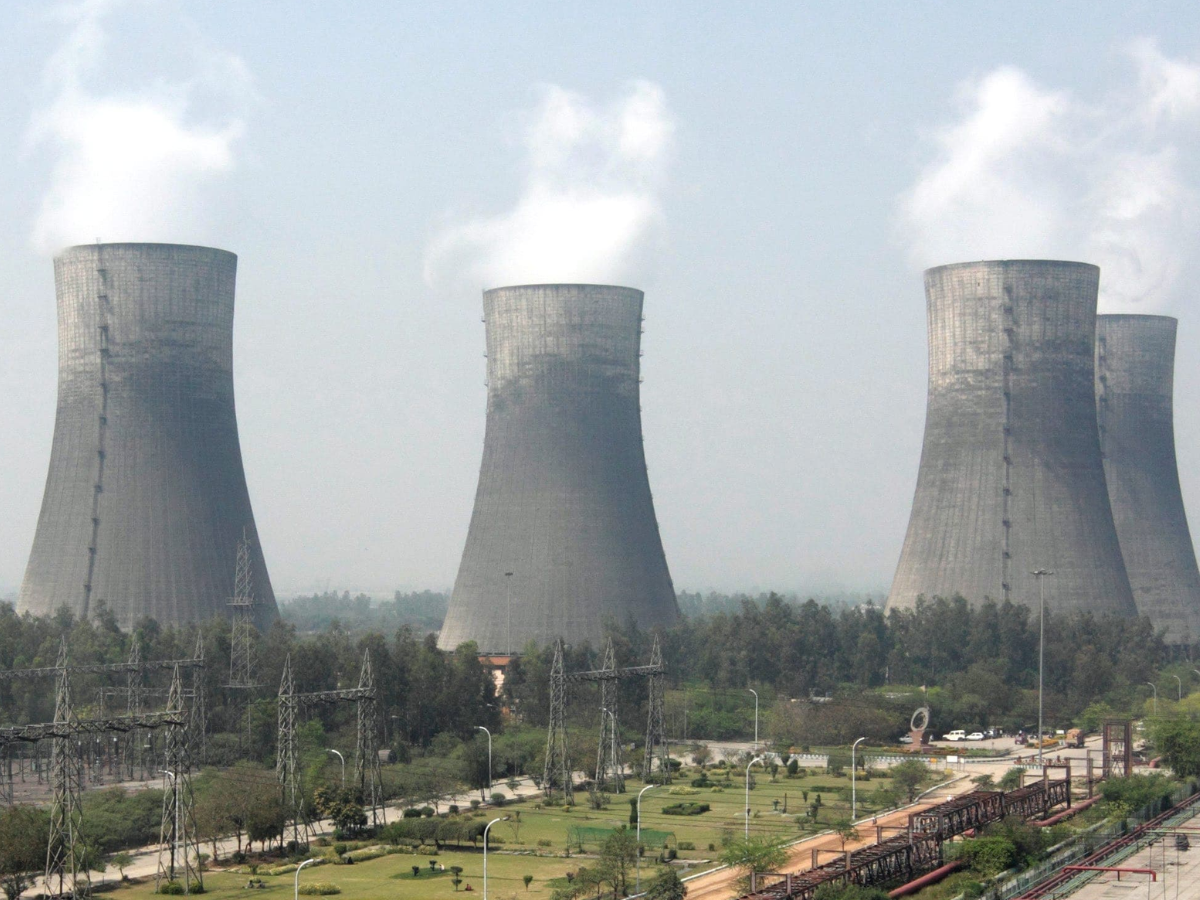
Thermal power continues to dominate India’s power mix, delivering 75% of total generation despite being just 47% of capacity. Plant Load Factor (PLF) remains high, making coal crucial. CareEdge anticipates coal will still provide nearly 60% of electricity by 2029–30, with consumption hitting 1,233 billion units. Recognising coal’s central role, the government permits Category A plants (cities with 1 million+ people) to comply by December 2027. Category B plants (critically polluted/non-attainment areas) get case-by-case deadlines. Category C plants—about 80% of capacity—won’t need FGDs but must follow alternative pollution norms. The revised structure aims for balance: lower cost versus emissions control.
(With Inputs From ANI)
Also Read: India-UK Free Trade Agreement To Boost Bilateral Trade By €25.5 Billion Annually
Aishwarya is a journalism graduate with over three years of experience thriving in the buzzing corporate media world. She’s got a knack for decoding business news, tracking the twists and turns of the stock market, covering the masala of the entertainment world, and sometimes her stories come with just the right sprinkle of political commentary. She has worked with several organizations, interned at ZEE and gained professional skills at TV9 and News24, And now is learning and writing at NewsX, she’s no stranger to the newsroom hustle. Her storytelling style is fast-paced, creative, and perfectly tailored to connect with both the platform and its audience. Moto: Approaching every story from the reader’s point of view, backing up her insights with solid facts.
Always bold with her opinions, she also never misses the chance to weave in expert voices, keeping things balanced and insightful. In short, Aishwarya brings a fresh, sharp, and fact-driven voice to every story she touches.
A viral “Bhoot Bangla” promo sparked outrage after Akshay Kumar appeared to push Rajpal Yadav.…
Ananya Birla trends online after Royal Challengers Bengaluru ownership change; fans compare her to Kavya…
OnePlus India CEO Robin Liu has resigned, sparking fresh shutdown rumors. The company denied any…
