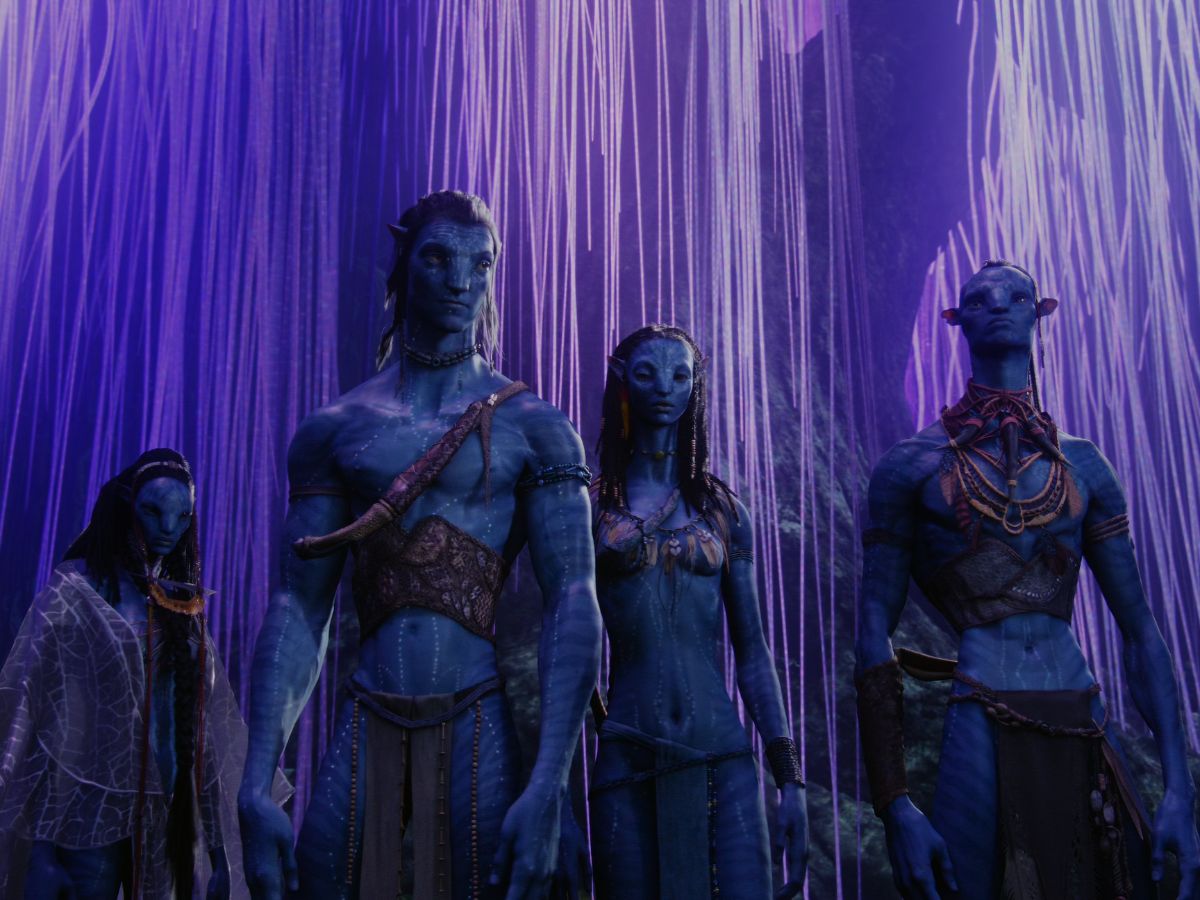
James Cameron’s Avatar movie's title is a hindi language word (Image Credit - X)
James Cameron’s Avatar (2009) and its sequel have captivated global audiences, earning over USD 4 billion at the worldwide box office. Despite the franchise’s massive success, few in the west realize the deeper cultural and spiritual meaning behind its title. While Indian cinema often borrows English words for film titles, it’s rare for a major Hollywood production to adopt a word from an Indian language.
The word avatar comes from Hindi, with its origin in Sanskrit—an ancient Indian language, and translates to “incarnation” or “descent.” In Hinduism, an avatar refers to the earthly manifestation of a deity, most notably Lord Vishnu, who takes various forms to restore balance and righteousness in the universe.
Famous avatars like Lord Krishna and Lord Rama have millions of followers in India, with thousands of temples dedicated to them. Ironically, the movie’s Wikipedia page defines “avatar” solely as the genetically engineered Na’vi bodies controlled remotely by humans, missing this rich spiritual context. The original meaning adds a layer of depth to the film’s themes of transformation, identity, and connection to nature.
The concept of avatar is central to Hindu sacred texts such as the Bhagavad Gita, Ramayana, and Mahabharata. In the Bhagavad Gita, Lord Krishna reveals his divine form and explains that avatars come to uphold righteousness. The Ramayana recounts the life of Lord Rama, the ideal avatar embodying duty and honor. The Mahabharata features Krishna as the divine guide whose teachings form the epic’s moral core. These ancient epics showcase “avatar” as a symbol of divine intervention and moral restoration, reinforcing the word’s profound spiritual roots.
The title Avatar resonates with themes of transformation and justice, deeply connected to India’s tradition of divine incarnations. Concepts like illusion (maya) and reality, explored in Hollywood films such as The Matrix and Inception, draw inspiration from Indian philosophy. Moreover, the West continues to embrace Indian ideas like yoga, peace, and spiritual awakening, values cultivated in India for millennia. Understanding these connections enriches appreciation for Avatar and highlights the global impact of India’s spiritual heritage.
Karan Singh Rathod is a dedicated sports journalist known for his sharp attention to detail and flair for storytelling. With over a year of experience in writing and editorial work, he blends thorough research with compelling narratives to deliver engaging sports content. A passionate follower of football and cricket, he starts his mornings with a newspaper to stay updated with sports, fashion, and current affairs. Outside of journalism, Karan enjoys traveling and discovering new destinations.
KCET Admit Card 2026 Out: Check Exam Schedule, Download Hall Ticket at cetonline.karnataka.gov.in
The Karnataka Examinations Authority has released the KCET 2026 hall ticket for registered candidates.
The Artemis II mission ended successfully with NASA’s Orion capsule splashing down in the Pacific…
Tamil Nadu to see rising heat, humidity and scattered rain this week as IMD warns…
