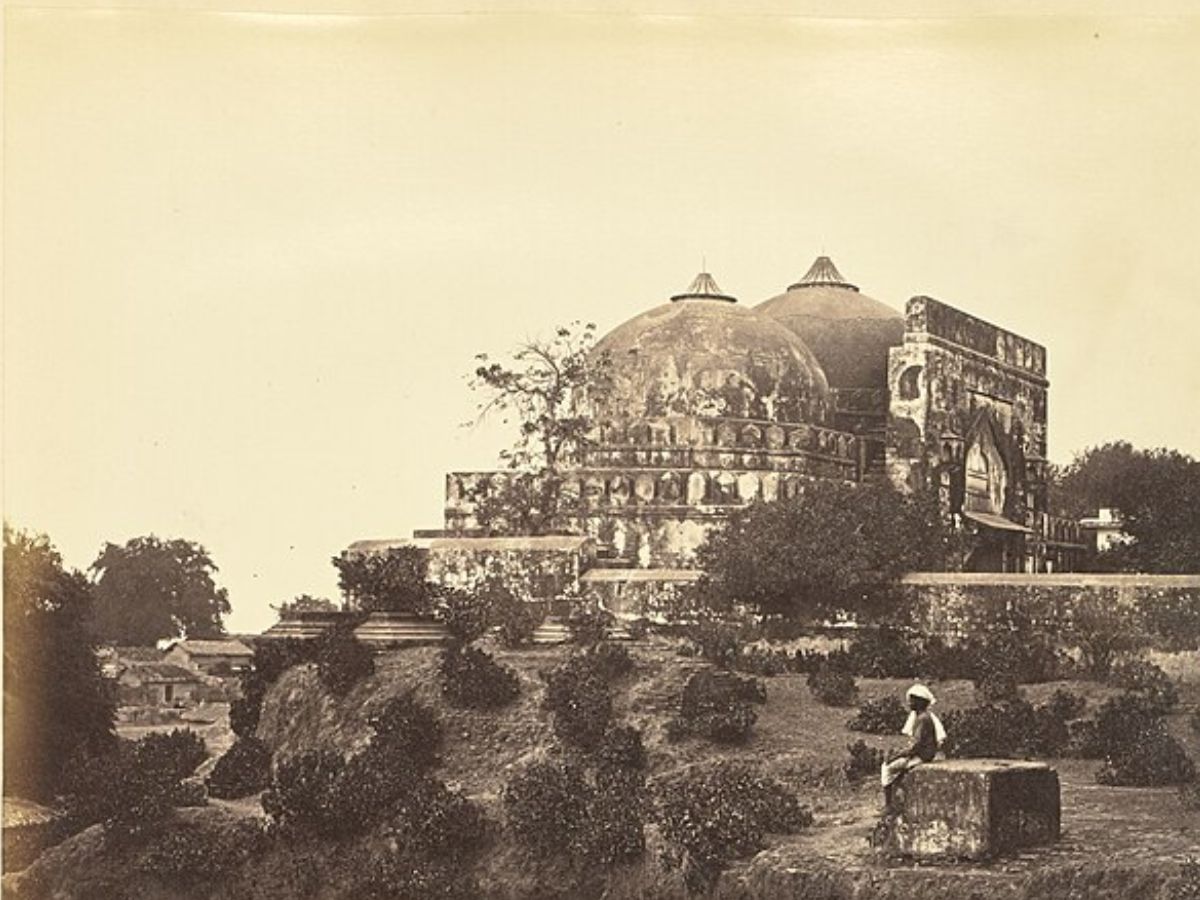
Babri Masjid Demolition (Image Credit: WikiMedia Commons)
On December sixth, 1992, the atmosphere in Ayodhya, a city situated in the northern part of India, was thick and dark when an enormous and seemingly inexorable procession of demonstrators composed of Vishva Hindu Parishad (VHP), Bharatiya Janata Party (BJP), Rashtriya Swayamsevak Sangh (RSS) and other related groups snuck in through the already barricaded entrance of the sixteenth century Babri Mosque.
The mosque was considered to be the very site of 1528 that was still in contention not only between different religious groups but also among the political powers, with many Hindus asserting that the site was the very birthplace of god Rama, and what was thus a temple devoted to that god was razed to the ground to build the mosque. The police quickly lost control of the situation, the mob was much larger than the police and in no time had the mosque demolished, in this way, the day put an end to the overlapping legal, social, and communal tensions which had been there for decades and were just getting worse. Immediately after the destruction MP never ceased to violence, and it was the biggest riot in the whole country.
According to official figures, about 2,000 people perished in the chaos. Muslims among others, in particular, at the very beginning, expressed their feelings through large protests and even riots, with some Muslims living outside India being drawn into the conflict as well. The entire incident left a terrible blemish on the various communities, and the problems that were not solved still managed to divide them even more. Meanwhile, the legal action took off immediately. The police filed a large number of First Information Reports (FIRs) one against the many unidentified ‘kar sevaks’ (workers) who were said to have demolished the mosque using axes and hammers, and another against top leaders of the BJP and VHP. The cases began to face complications regarding jurisdiction over time as the investigation started. The case that was separated at first between the police in UP and a national investigative agency saw the responsibilities change and the proceedings being postponed.
The destruction was not only a legal and physical removal but it was also an attack on India’s social and constitutional fabric. The incident redefined the boundaries of religion, politics, and identity and transformed what had been a long standing dispute over the land and faith into a flashpoint that altered the communal relationships. The majority of people viewed the demolition as more than just a riot, it was an indication of the prevailing religion’s power over the minority community’s heritage. This transformation in social perception made Indian Muslims even more distrustful and afraid of being pushed to the margins. Historical sites and community memory were made as much vulnerable as they could be to political mobilization and reinterpretation.
The court battles, investigations, and discussions in society continued for a long time. The site was a point of contention for years with various communities presenting their claims, along with their memories, and desires for justice coexisting but not very comfortably. The razing of the temple and what followed became a milestone and a clarion call for various political and social movements, affecting the entire discourse on secularism, minority rights, and the dynamics between the majority and the minority in contemporary India. Eventually, the legal case reached the verdict in 2019 that handed over the disputed land of the mosque site to the Hindu temple, thus putting an end to the legal war between them forever.
Looking back, the events that led to the demolition of Babri Masjid and the riots that followed can be seen as a turning point in India’s history of post colonization that is nothing short of tragic. A mere rally and claim over a religious site had turned into a communal bloodshed, lives being moved, and a long lasting legacy of fear and division being formed. The destruction of the mosque and the events that followed have repercussions in politics, inter community relations, and discussions around identity, heritage, and justice even today which makes it clear that the impact of that fateful December day in the year 1992 was and is very profound and lasting.
Also Read: Ambedkar Death Anniversary 2025: Why Modern Feminism Owes A Debt To Ambedkar’s Equality Ideals
Tomorrowland Thailand 2026 debuts December 11–13 at Wisdom Valley with six stages, top international DJs,…
TikToker Madhu Raju, known for sharing dance videos on social media, has landed in controversy…
Diyvang People Need a Platform, Not Gifts” – Deputy Chief Minister Harsh Sanghvi
Grand showcase of divyang talents at the Fashion and Talent Show by Love N Care…
