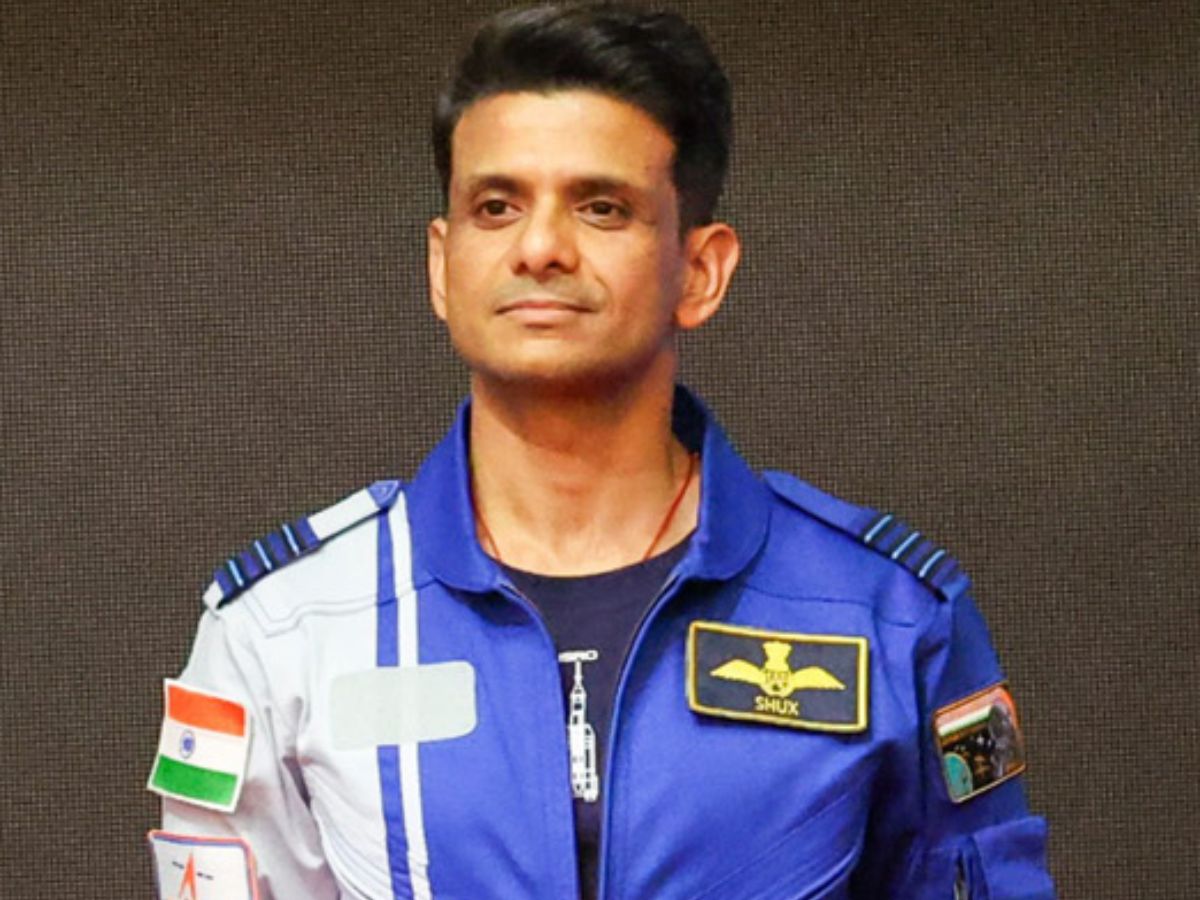
Indian astronaut Shubhanshu Shukla is on board the International Space Station (ISS) as part of his Axiom Mission 4 (Ax-4)-a mission that would revolutionize the treatment and study of diabetes on Earth, and potentially in space someday.
Shubhanshu Shukla is involved in more than 60 scientific experiments on this mission, but one has already captured worldwide interest, that is Suite Ride, a health study that examines how glucose metabolism acts in microgravity. The potential of this research is huge, perhaps it will unlock the doors of space travel for individuals with insulin-dependent diabetes, who until now have been rejected such opportunities because of the difficulty of controlling their condition in space.
“For decades, individuals with diabetes haven’t been eligible for space travel because of threats such as glucose variability and hypoglycemia in a situation where there is no instant medical assistance,” stated Dr. Mohammad Fityan, Clinical Lead for Suite Ride and Chief Medical Officer at Burjeel Medical City, in an interview with IndiaToday.in.
Shubhanshu Shukla’s journey can be a turning point for diabetes
The experiment is jointly done with Axiom Space and UAE-based Burjeel Holdings. One or more astronauts are equipped with Continuous Glucose Monitors (CGMs) during the duration of the 2-week mission to gather real-time information about the way their bodies manage blood sugar without any gravity. Adding to this, insulin pens were transported onboard to test their feasibility, though they’re not actively used by the astronauts.
Dr. Fityan said.”Microgravity takes away a lot of variables that we have on Earth. It lets us investigate glucose metabolism and insulin sensitivity in a completely different way. We’re observing how variations in muscle size, fluid distribution, and circadian rhythms in space might affect metabolic health.”
Can Shubhanshu Shukla’s journey decide a ‘healthy’ side?
The findings can have a big meaningful impact. On Earth, this research can can to better technologies for diabetes management and control from more intelligent CGMs and AI-driven monitoring systems, to novel drug targets and remote care platforms, particularly for low-resource or rural patients.
Importantly, it also lays the groundwork for making space more inclusive. “This mission is about raising the bar- not lowering it,” Dr. Fityan said. “We’re not changing standards, but creating tools and protocols that make spaceflight possible for individuals with chronic conditions like diabetes.” Under the guidance of Shubhanshu Shukla, India is taking a key role in this revolutionizing endeavor.
Sofia Babu Chacko is a journalist with over five years of experience reporting on Indian politics, crime, human rights, gender issues, and stories about marginalized communities. She believes journalism plays a crucial role in amplifying unheard voices and bringing attention to issues that truly matter. Sofia has contributed articles to The New Indian Express, Youth Ki Awaaz, and Maktoob Media. She is also a recipient of the 2025 Laadli Media Awards for gender sensitivity. Beyond the newsroom, she is a music enthusiast who enjoys singing. Connect with Sofia on X: https://x.com/SBCism