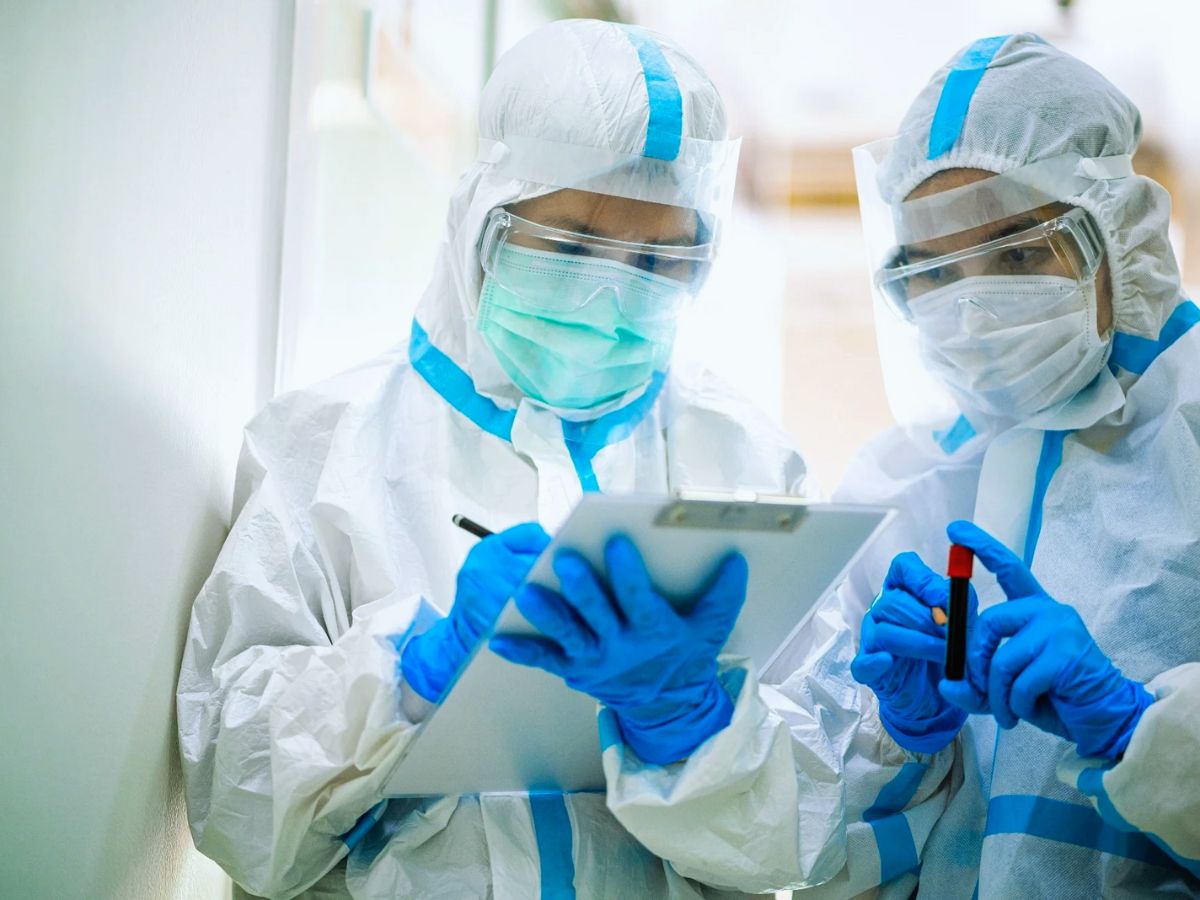
Childhood cancer survivors face higher risk of severe COVID-19 even decades after recovery. (Photo Credit: People Image Studio/Shutterstock.com)
People who have survived cancer as children are at higher risk of developing severe COVID 19, even decades after their diagnosis. This is shown by a new study from Karolinska Institutet.
With medical science development in terms of research and technology, more and more children are surviving cancer. However, even long after treatment has ended, health risks may remain. In a new registry study, researchers investigated how adult childhood cancer survivors in Sweden and Denmark were affected by the COVID 19 pandemic.
The study included over 13,000 people who had been diagnosed with cancer before the age of 20 and who were at least 20 years old when the pandemic began. They were compared with both siblings and randomly selected individuals from the population of the same gender and year of birth.
The results show that childhood cancer survivors had a lower risk of contracting COVID 19, but were 58 per cent more likely to develop severe disease if they did become infected. Severe COVID 19 was defined as the patient receiving hospital care, intensive care or death related to the infection.
“It is important to understand that even though these individuals were not infected more often, the consequences were more serious when they did become ill,” says Javier Louro, postdoctoral researcher at the Institute of Environmental Medicine at Karolinska Institutet and first author of the study.
The differences in risk were particularly clear during periods of high transmission, such as when new virus variants such as Alpha and Omicron spread rapidly. In Sweden, where pandemic management was based more on recommendations than restrictions, the increase in risk was greater than in Denmark, which introduced early and strict measures.
“Our results suggest that childhood cancer survivors should be considered a risk group in future pandemics or other health crises. This could involve prioritising them for vaccination or offering special protection during periods of high transmission,” said Javier Louro.
(With ANI Inputs)
ALSO READ: Australian Scientists Discover Key Proteins That Could Transform Cancer and Aging Treatments
Sofia Babu Chacko is a journalist with over five years of experience reporting on Indian politics, crime, human rights, gender issues, and stories about marginalized communities. She believes journalism plays a crucial role in amplifying unheard voices and bringing attention to issues that truly matter. Sofia has contributed articles to The New Indian Express, Youth Ki Awaaz, and Maktoob Media. She is also a recipient of the 2025 Laadli Media Awards for gender sensitivity. Beyond the newsroom, she is a music enthusiast who enjoys singing. Connect with Sofia on X: https://x.com/SBCism
Amid intensifying efforts to end the ongoing Iran war, US President Donald Trump has claimed…
The Trump administration has shared a 15-point peace plan with Iran through intermediaries, including Pakistan,…
Alan Ritchson, star of Reacher and War Machine, is under investigation after a physical altercation…
