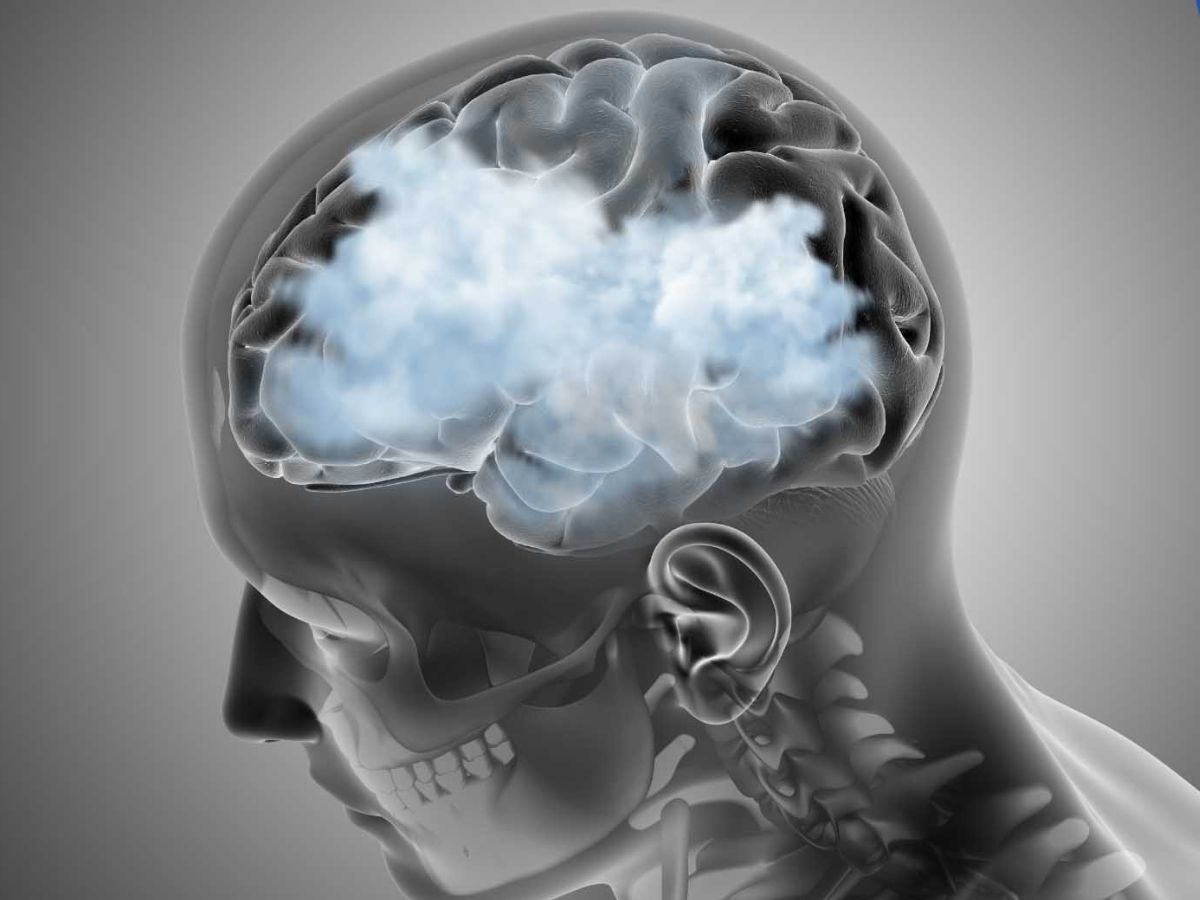
Clouds of brain fog can be noticed when you find it hard to think and/or remember, or when your attention span is compromised. Being a little forgetful from time to time is expected, but if it persists longer, you might have to watch out, as it can be a mark of something seriously wrong.
What is brain fog?
Brain fog isn’t a disease; a multitude of different symptoms interfere with thinking functions, memory, attention, concentration, and lucid thinking. Some symptoms include:
Clouds of brain fog can be noticed when you find it hard to think and/or remember, or when your attention span is compromised. Being a little forgetful from time to time is expected, but if it persists longer, you might have to watch out, as it can be a mark of something seriously wrong.
When is brain fog serious?
If brain fog is ongoing for weeks or months, and interferes with daily activities there may be a reason to investigate some possible underlying causes:
So, what should you do?
Don’t ignore chronic brain fog, especially if you are also experiencing increasing symptoms of forgetfulness and inability to perform routine tasks.
You should consult a physician for a full physical with tests. Early testing may show a disease and you would begin treatment.
Chronic brain fog is aggravating, it may be a symptom that is leading to something being wrong. Take it seriously; efforts made to seek assistance early may prevent brain activity loss, and lead to improved quality of life.
(This article is for informational purposes only and does not substitute medical advice. If symptoms persist or worsen, consult a qualified healthcare professional for evaluation and diagnosis.)
Vani Verma is a content writer with over 2 years of experience in lifestyle, entertainment, health and digital media. She has a knack for creating engaging and research-driven content that resonates with readers, blending creativity with clarity. Passionate about media trends, culture, and storytelling, she strives to craft content that informs, inspires, and connects.
As Ramadan nears its end, the big question remains: when will Eid be celebrated in…
Apple is preparing to launch the iPhone 18 Pro and iPhone 18 Pro Max with…
Over 400 killed in Kabul as a Pakistani airstrike hits a hospital. Afghanistan stars Rashid…
