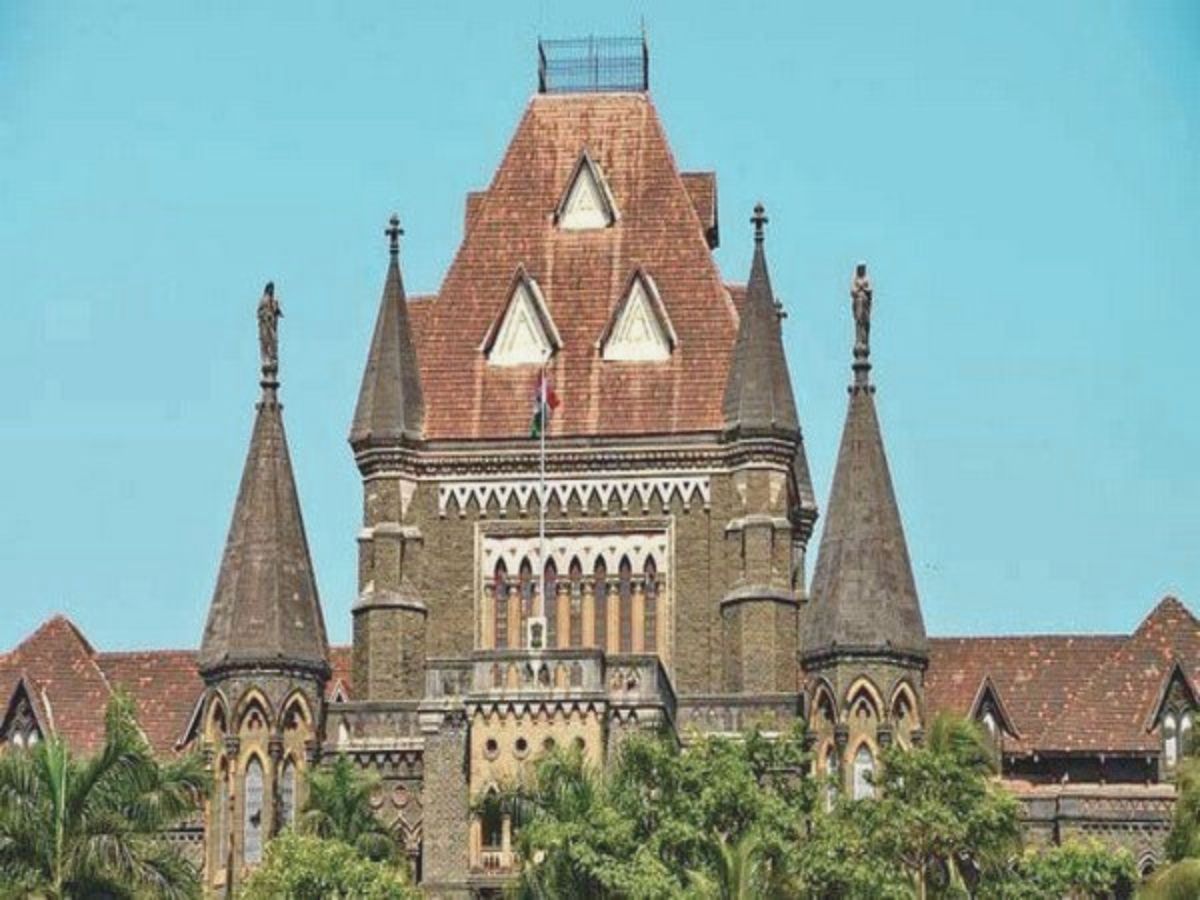
After 12 years in jail without trial, Bombay High Court grants bail to 2012 Pune blast accused (Photo: ANI)
In a major development, Bombay High Court has granted a bail to Farooq Shaukat Bagwan. He is the suspect in the very famous 2012 Pune serial blasts case. Farooq was remained in custody for over 12 years without the trial coming to a conclusion.
Bagwan is 39 years old now. He was detained in December 2012 and booked under several strict laws, such as the Indian Penal Code (IPC), Explosives Act, Arms Act, Unlawful Activities (Prevention) Act (UAPA), and the Maharashtra Control of Organised Crime Act (MCOCA).
He was held responsible for preparing forged documents to obtain SIM cards and for his shop being used as a platform of meetings for the conspirators.
The case is in connection with a series of low-intensity explosions in Pune on August 1, 2012, at which five bombs exploded in a short span of time along Jangli Maharaj Road. A sixth bomb was found attached to a bicycle and was disarmed in a safe manner. While only one person was injured, the attacks led to massive security panic in the leadup to a planned visit to Pune by Union Home Minister Sushil Kumar Shinde.
Maharashtra Anti-Terrorism Squad (ATS) investigations accused that the blasts were revenge for the custodial death of Indian Mujahideen operative Qateel Siddique, who was killed in Yerwada jail earlier that same year.
At the hearing of Bagwan’s bail application which was opposed by the prosecution, the prosecution relied on confessional evidence and focused on his role as an alleged conspirator who assisted with advancing the conspiracy.. Nevertheless, his advocate, Advocate Mubin Solkar, countered that one of his co-accused, Munib Iqbal Memon, had already been accorded bail in 2024, and that progress during the trial had been negligible with only 27 out of approximately 170 witnesses cross-examined over more than a decade.
A division bench comprising Justices A. S. Gadkari and Rajesh S. Patil noted that Bagwan’s status was no different from the co-accused already released on bail. The court held that the “principle of parity squarely applies,” qualifying him for bail after such long pre-trial incarceration.
In 2012 the Pune bombings involved ammonium nitrate-based IEDs claimed by terror group Indian Mujahideen, which was previously banned. Among other things, despite a bid for mass casual destruction, it did kill anyone because the design was faulty.
The High Court ruling again reiterates concerns over extended undertrial detention in terror cases and the speed of the judicial process in India.
ALSO READ: ‘See You All Very Soon’: Prajakta Koli Cancels Nepal Trip Amid Gen Z Protests And Violence
Sofia Babu Chacko is a journalist with over five years of experience reporting on Indian politics, crime, human rights, gender issues, and stories about marginalized communities. She believes journalism plays a crucial role in amplifying unheard voices and bringing attention to issues that truly matter. Sofia has contributed articles to The New Indian Express, Youth Ki Awaaz, and Maktoob Media. She is also a recipient of the 2025 Laadli Media Awards for gender sensitivity. Beyond the newsroom, she is a music enthusiast who enjoys singing. Connect with Sofia on X: https://x.com/SBCism
Traffic through the Strait of Hormuz has plunged drastically, with fewer than 10 vessels crossing…
Iran has executed Kourosh Kivani in Tehran after he was convicted of spying for Israel’s…
Reduced LPG availability and panic buying have made cylinders high-value targets across multiple cities.
