Categories: India News

Dehradun–Delhi Expressway Opening: Date, Route Map, Project Cost, Total Distance, Travel Time, Toll Tax, and More

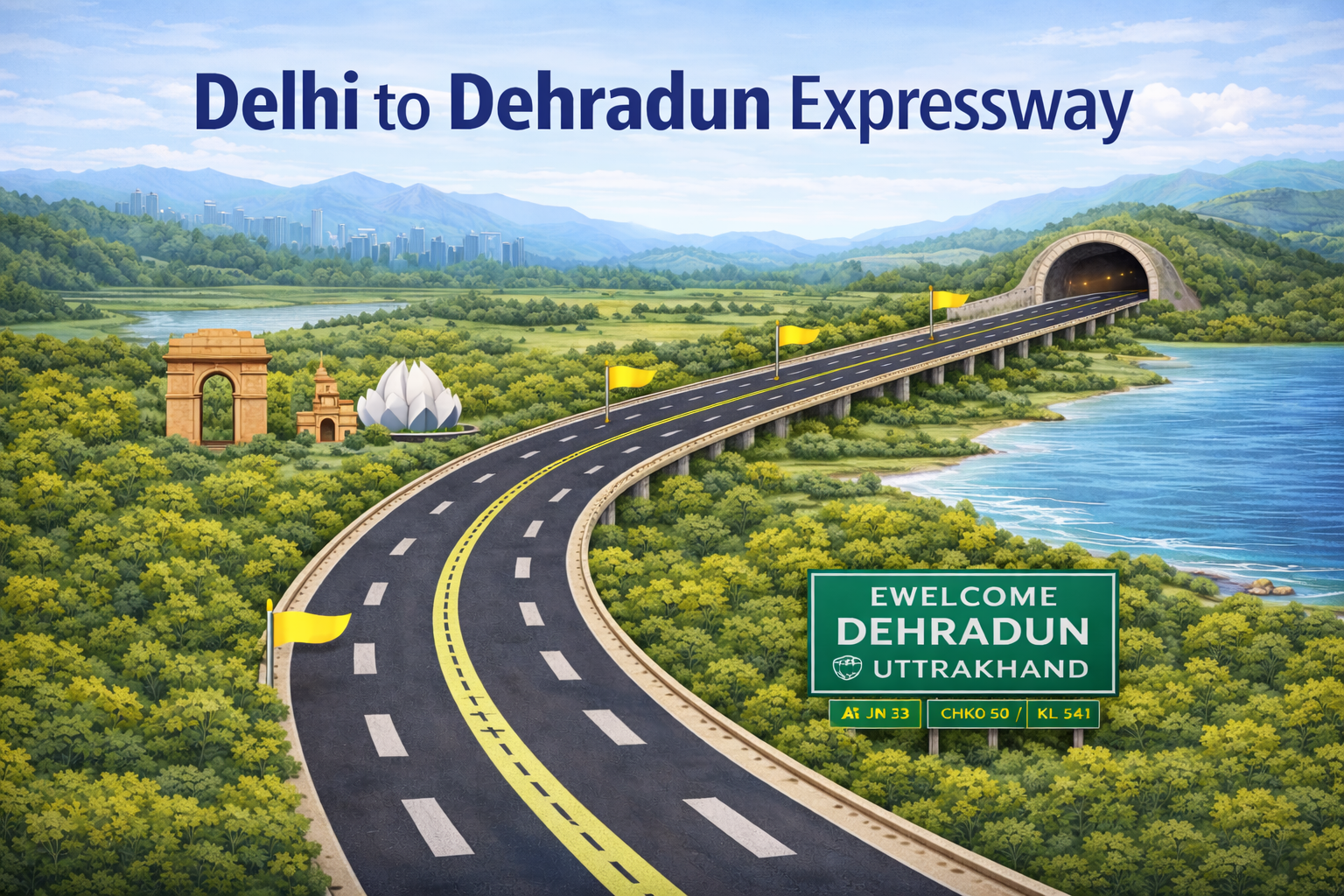
Dehradun–Delhi Expressway: The Dehradun-Delhi Expressway to be opened by Narendra Modi. An infrastructure project worth Rs 12,000-13,000 crore to connect Delhi and Dehradun, which includes Asia’s longest elevated wildlife corridor, the Dat Kali Tunnel and road infrastructure, is set to be opened by Prime Minister Narendra Modi. The expressway is expected to improve connectivity between Dehradun and Delhi, reduce travel time, promote Uttarakhand’s tourism sector and spur growth in the region.

Add NewsX As A Trusted Source
Add as a preferred
source on Google
Published by Ishika Rawat
Published: April 13, 2026 15:23:28 IST

Dehradun-Delhi Expressway: The much awaited Dehradun-Delhi Expressway would be inaugurated by Narendra Modi on 14th April, 2026, a major boost for the development of India’s infrastructure. The Rs 12,000 to Rs 13,000 crore complex expressway would significantly improve connectivity between Dehradun and Delhi. The expressway is more than just a reduction in travel time. It is a project geared towards safety, tourism, and economic development. With various sections covering a length of almost 112 kilometers, it pays special attention to the environment and takes a holistic approach towards modernization. One of the key features of the expressway is Asia’s longest elevated wildlife corridor. Apart from this, the expressway incorporates various modern engineering techniques such as tunnels, underpasses, service roads, and facilities for commuters, making it one of the grandest highway projects in India. The expressway’s seamless connectivity to the Delhi-Meerut Expressway and the Eastern Peripheral Expressway is expected to reduce the burden on these highways and provide a quicker alternative to travelers. The expressway also connects to the Char Dham Highway via Haridwar, improving a major route for religious tourism. 

Why is Dehradun-Delhi Expressway so Important? 

Dehradun-Delhi Expressway is one of the most important projects to connect two important regions of North India. It will connect Delhi with Uttarakhand and it will greatly reduce the travel time between two cities for both long distance and daily commuters. The travel time on the existing roads is approximately 6-7 hours and with the expressway it will be reduced to 2 to 2.5 hours. It means that road travel will become efficient and faster. This will also help people and businesses to transport goods faster, thus improving trade and logistics. Uttarakhand is a major tourist destination and has a significant agricultural community. Thus a lot of opportunities will arise for the businesses of Uttarakhand. This project is also going to reduce the traffic load on the existing highways. It is expected to foster regional development and also help in creating new economic hubs along the route.

How much was the project cost of Dehradun-Delhi Expressway? 

It has cost Rs 12,000 to Rs 13,000 crore to develop the expressway, indicating the magnitude and scope of the project. This expenditure demonstrates the government’s commitment to enhancing national infrastructure and facilitating long-term economic development. Significant funds have been allocated for land acquisition, construction, environmental protection, and sophisticated engineering solutions. Such an investment ensures that the expressway adheres to global standards for safety and efficiency. The project incorporates high-quality materials, innovative construction methods, and strategic planning. Although the cost might appear steep, the long-term advantages in terms of reduced travel time and fuel efficiency, as well as increased economic activity, are expected to justify the initial expense. It is an investment in improving regional connectivity.

What Is The Longest Elevated Wildlife Corridor In Asia?

One of the most interesting aspects of this expressway is the elevated wildlife corridor that runs for around 12 to 14 km. Asia’s longest wildlife corridor of its kind! Designed to enable animals to transit freely below the highway without being disturbed by traffic. This is a big step in terms of environmental conservation. The corridor itself runs through forested areas and it is an example of how to minimize conflict we human beings have with wildlife. As a result, this not only exemplifies sustainable development but also helps ensure that the ecological balance is maintained, even as modern transport infrastructure continues to expand. It is features like these that are essential for the infrastructure projects that take place in India. 
 

What Is The Function of Dat Kali Tunnel on Dehradun-Delhi Expressway?

The Dat Kali Tunnel is an 340-meter-long tunnel, which is the most attractive feature of the expressway. Constructed at the beginning of the expressway, the tunnel is located in Dehradun and is meant for the smooth and safe passage of vehicles through the hilly terrain of the region. Apart from time-saving, it also eliminates the need to traverse the narrow and winding roads of the mountains. The tunnel is constructed with the help of advanced technology to make it safe and long-lasting and has been equipped with sufficient lighting, ventilation, and monitoring facilities to further improve the travel experience. Thus, it alleviates the traffic congestion in the surrounding areas. All in all, the Dat Kali Tunnel enhances the overall efficiency and convenience of the expressway.

Dehradun-Delhi Expressway Full Route Map:

Starting point: Delhi

The expressway begins in Delhi and goes straight to the Delhi-Meerut Expressway. This makes it easy for people from the capital and NCR areas to get in.

Delhi to Baghpat Section

The expressway then goes to Baghpat, Uttar Pradesh, which makes it easier to leave the city quickly and eases traffic on the current highways.

Baghpat to Shamli

The highway then continues via Shamli, connecting all of Western Uttar Pradesh. This part of the expressway is crucial since it connects the smaller communities to the major road.

Shamli to Saharanpur

The highway then continues via Shamli, connecting all of Western Uttar Pradesh. This part of the expressway is crucial since it connects the smaller communities to the major road.

Entry into Uttarakhand (Saharanpur – Dehradun)

The expressway goes to Dehradun after crossing into Uttarakhand. There is an elevated wildlife corridor and the Dat Kali Tunnel in this area.

Final Destination: Dehradun

The expressway ends in Dehradun, which makes it easy to go to the city and connect to hill stations and the Char Dham Highway.

Important Connections Along the Route
*Eastern Peripheral Expressway to get around Delhi traffic
*The Char Dham Highway goes through Haridwar.
*Many places to get in and out of the area for local connectivity

What Will Be The Toll Price on Dehradun-Delhi Expressway?

The toll price for Dehradun-Delhi Expressway has been roughly estimated. Since this highway has top-notch infrastructure and will save you a lot of time, the toll price will probably be one of the highest among all the regular highways.

One way toll price for a car traveling from Delhi to Dehradun is estimated to be around ₹670-675.
If you are planning to return in 24 hours, the round trip toll will be around ₹1000-1010.

Approximate Toll Price (For Cars):
*Delhi Dehradun (One way): ₹670-675
*Round trip (within 24 hours) : ₹1000+
*Toll plazas (Multiple Plazas) : 4-5 along the route

Other important details

This expressway will be fully FASTag enabled. So all toll payments will be done digitally.
During trial runs or in the early phases of the highway, there are some toll free stretches. Once the highway is fully operational, it will have normal tolls.

Though the toll will be high, the expressway will save you 6-7 hours of travel time to just 2.5 hours. It will not only save fuel and time but will also provide you an incredibly smooth journey. So many people would agree that the toll price is worth it.

What Infrastructure Features? 

There are 113 underpasses and five railway overbridges on the expressway, which assures smooth flow of traffic without any disruptions. The traffic does not have to wait at any crossing so everything runs smoothly. There are 16 entry and exit points on the highway, so the project will be easily accessible from different points. The surrounding villages and towns shouldn’t be left behind. The infrastructure is designed to support the expected heavy traffic volume and safety standards

How Will Commuters Benefit From Service Roads of Dehradun-Delhi Expressway? 

76 kilometres of service roads have been built to serve the expressway. They offer an alternative route for local traffic, decreasing traffic on the main road. Service roads are particularly beneficial for commuters living in the vicinity of the expressway, as they offer easier access without having to enter high-speed lanes. They also add safety by separating long distance and local traffic. Such planning ensures a smooth experience for all commuters. 

What Amenities Will Be Located Along The Expressway?

 The project plans 12 stops for food courts and other facilities for commuters. These stops will offer places to rest, eateries and other amenities for travellers. Such facilities add value for long trips, as they offer comfort and convenience. They also foster local commerce. If well-planned, these rest stops can make an expressway more traveller-friendly.

What Will Be The Effect on Tourism?

The expressway will increase the tourism in Uttarakhand by making the travel faster and convenient. The popular places like Dehradun, Haridwar and hill stations close to them will be much more accessible. Tourists from Delhi and nearby areas will be able to easily plan the short trips. It will lead to an increase in tourist flow which will provide an opportunity to the local businesses, hotels, transport and many more. This will gradually benefit the state’s economy.

What Will This Project Signify for the Future?

The Dehradun–Delhi Expressway is a step ahead approach for the infrastructure development in India. This road combines the speed, safety, and sustainability in the project. With the projects like this being planned in the country, state this expressway is a good example. It proves that the modern highways can be built without harming the environment. It is expected that such developments will over the next few years change the travel and connectivity in India.

What Are The Environmental Benefits? 

In addition to wildlife corridor, there are multiple green initiatives incorporated into the expressway such as adequate drainage, green cover development and also reduced emission as a result of smooth traffic flow. With the reduction in travel time, less fuel consumption results in lesser pollution. Environmental impacts are being carefully considered at every step of development which has resulted in a more sustainable infrastructure project.
Published by Ishika Rawat
Published: April 13, 2026 15:23:28 IST

Recent Posts

Saudi Arabia Cracks Down on Makkah Entry: No Entry Without Hajj Visa After April 18, Strict Penalties Announced

Saudi Arabia Makkah Entry: Saudi Arabia is tightening rules ahead of the upcoming holy Hajj…

April 13, 2026

SRH vs RR, Hyderabad Weather Today: No Rain But Players To Face Excessive Heat During Match | Check Rajiv Gandhi International Stadium Forecast

Sunrisers Hyderabad face Rajasthan Royals in Match 21 of IPL 2026 today. With temperatures hitting…

April 13, 2026

Stock Market Holiday: Will BSE & NSE Remain Shut On Ambedkar Jayanti? Key Trading Updates, MCX Timings Investors Should Know

Stock market shut on Ambedkar Jayanti; BSE, NSE closed, MCX open in evening. Markets fall…

April 13, 2026