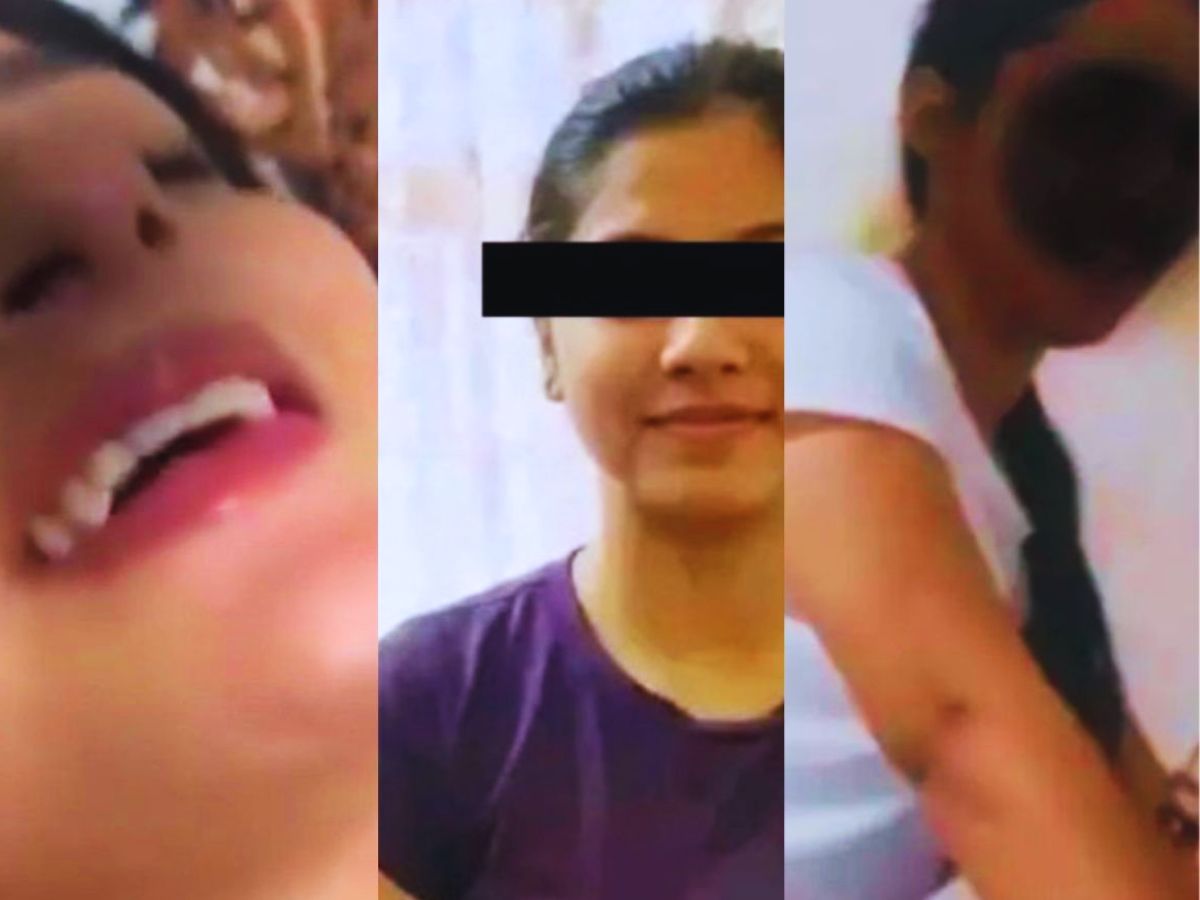
The controversy highlights the urgent need for stronger cyber laws.(Photo: X)
By the end of 2025, the so-called “19-minute viral video” controversy had become one of the most discussed digital scandals in India, sparking debates around online privacy, misinformation, cybercrime, and the unchecked spread of explicit content on social media platforms.
The video, which reportedly ran for over 19 minutes, circulated rapidly across Instagram, Facebook, X, and Telegram groups despite repeated warnings from law enforcement agencies.
What made the episode particularly alarming was not just the content itself, but the speed at which unverified claims, fake links, and manipulated versions flooded the internet, exposing serious gaps in digital awareness and regulatory enforcement.
According to cyber experts, the original source of the video remains unidentified. Authorities have consistently warned that downloading, forwarding, or engaging with such content could attract severe penalties under the Information Technology Act and other cyber laws. Yet, curiosity-driven sharing and algorithm-driven amplification ensured the video remained in circulation for weeks.
The persistence of the trend highlights how misinformation ecosystems thrive in low digital literacy environments, where users often fail to distinguish between authentic content, deepfakes, and malicious bait.
The controversy escalated when rumours began linking the viral video to popular content creators, including Payal Dhare, widely known as Payal Gaming. Despite the absence of any official confirmation or evidence, social media users aggressively named and shamed influencers, forcing several of them to issue public clarifications and denials.
The Payal Gaming MMS row demonstrated how quickly reputations can be destroyed through unverified online claims. Digital rights advocates point out that women influencers are often disproportionately targeted in such scandals, facing harassment, abuse, and long-term psychological distress even after being proven innocent.
Authorities later confirmed that many versions circulating online including so-called “Season 2” and “Season 3” clips were AI-generated deepfakes or digitally altered videos. Cyber forensic teams flagged these as synthetic media designed to look authentic while being entirely fabricated.
This marks a worrying trend where generative artificial intelligence is increasingly used to create non-consensual explicit content, weaponise misinformation, and violate privacy. Experts warn that as AI tools become more accessible, the line between real and fake content will become even harder for ordinary users to identify.
Beyond reputational damage, cybersecurity professionals have identified another dangerous layer to the viral video phenomenon malware and financial fraud. Cybercriminals exploited public curiosity by circulating fake download links claiming to offer access to the “full video.”
Clicking these links often resulted in spyware installation, data theft, banking fraud, and unauthorised access to personal devices. Experts have advised users to avoid unknown links, keep antivirus software updated, and enable two-factor authentication to protect against such threats.
The repeated spread of viral MMS content underscores India’s digital literacy crisis. While internet penetration has increased rapidly, a significant portion of the population lacks basic understanding of online safety, consent, misinformation, and cyber laws.
Digital literacy goes beyond knowing how to use smartphones or social media. It involves the ability to critically assess information, understand privacy risks, recognise manipulation, and navigate digital spaces responsibly. The lack of these skills deepens digital inequality and leaves users vulnerable to exploitation.
In 2020, the Supreme Court of India recognised access to the internet as a fundamental right, linking it to freedom of speech and expression. This landmark ruling acknowledged the concept of digital citizenship, where online platforms serve as spaces for civic, social, and political participation.
However, experts argue that recognising internet access without ensuring digital literacy creates an incomplete rights framework. Without education and safeguards, digital access can become a source of harm rather than empowerment.
The misuse of deepfake technology gained national attention in 2023 after an AI-generated video of actor Rashmika Mandanna went viral. Since then, public figures have increasingly approached courts seeking protection against synthetic content, AI-generated pornography, and identity misuse.
In response, the government amended the Information Technology (Intermediary Guidelines and Digital Media Ethics Code) Rules, 2021, with changes coming into force in November 2025.
The amendments introduced India’s first legal definition of “synthetically generated information” and imposed stricter due diligence obligations on social media platforms.
Under the new rules, platforms must clearly label AI-generated content, embed permanent identifiers, and ensure visible disclaimers for audio and visual material. These steps align India with global frameworks such as the EU’s AI Act and China’s AI labelling regulations.
Despite stringent laws, repeated viral scandals raise questions about enforcement. Authorities are still investigating who produced the original video, whether it is real or synthetic, and how it spread so widely. The continued circulation of such content, even under strict legal provisions, exposes gaps in policing, platform accountability, and cyber infrastructure.
There are also serious concerns regarding the protection of minors and women, especially given India’s strict laws under the POCSO Act and IT Act against child sexual abuse material.
The ‘19-minute viral video’ controversy and the Payal Gaming MMS row serve as stark reminders of the dangers of irresponsible digital behaviour. While social media remains a powerful communication tool, its misuse has emerged as a serious threat to privacy, dignity, and social harmony.
Experts stress that meaningful reform must combine digital literacy education, strict legislation, platform accountability, and public awareness. Without these, India risks facing more such viral crises in an increasingly AI-driven digital future.
Sofia Babu Chacko is a journalist with over five years of experience reporting on Indian politics, crime, human rights, gender issues, and stories about marginalized communities. She believes journalism plays a crucial role in amplifying unheard voices and bringing attention to issues that truly matter. Sofia has contributed articles to The New Indian Express, Youth Ki Awaaz, and Maktoob Media. She is also a recipient of the 2025 Laadli Media Awards for gender sensitivity. Beyond the newsroom, she is a music enthusiast who enjoys singing. Connect with Sofia on X: https://x.com/SBCism
Adani Partners Youth4Jobs for Global Ability Photography Challenge 2026
Headquaters in Ahmdabad , the Adani Group is India's largest and fastest growing portfolio of…
An Air India flight AI 111 bound for London returned to Delhi after nearly seven…
Mumbai (Maharashtra) [India], March 26: The celebration saw the presence of Rahul Roy, Rajpal Yadav,…
