Sex Workers Role In Independence
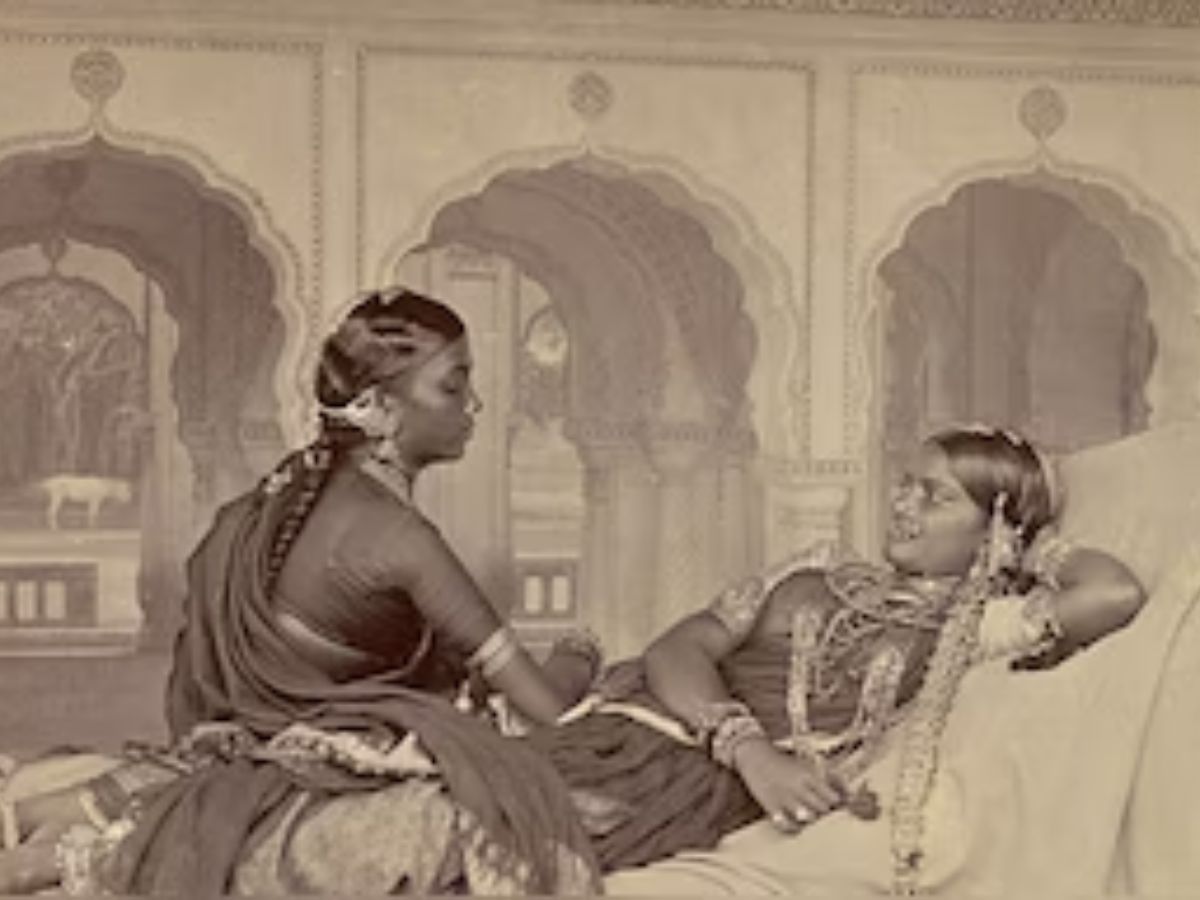
There are several unsung heros who silently participated in the freedom struggle of India’s Independence. Tawaifs, also known as courtesans, were highly trained in music, dance, poetry, and literature. They enjoyed wealth, social influence, and access to political circles. Eminent families sent their sons to tawaifs to learn etiquette and refined conversation. These women enjoyed privileges rare for most women at the time, including education and financial independence.
Their establishments, known as kothas, served as centres of culture and sophistication during the Mughal period. Association with a tawaif symbolised status and refinement. Historical accounts indicate that they had agency over personal relationships, and any intimacy with patrons was often consensual.
During the First War of Independence in 1857, tawaifs actively supported the rebels. Azeezunbai, originally from Lucknow and later in Kanpur, became closely associated with sepoys of the British Indian Army, particularly Shamsuddin Khan. She was seen on horseback in male attire, decorated with medals and armed with pistols.
Her home became a meeting place for soldiers. She organised a group of women who moved fearlessly, boosting rebel morale, tending to the wounded, and distributing weapons. Historical accounts suggest her motivation also lay in protecting her patronage and social standing under native rulers.
In Kanpur, another tawaif named Hussaini played a significant role during the 1857 rebellion. She is believed to have been one of the key conspirators in the Bibighar massacre, where over 100 British women and children were killed. While British records branded these women as “nautch girls” and linked them to prostitution, historical evidence shows they were also active political participants. Their cultural influence and networks allowed them to coordinate with rebel leaders and provide both logistical and moral support during the uprising against colonial rule.
Begum Hazrat Mahal, wife of the last Nawab of Awadh, Wajid Ali Shah, was said to have been a courtesan before her marriage. When her husband was exiled by the British, she took leadership during the 1857 revolt. Under her command, Indian forces briefly recaptured Lucknow. She emerged as a strong figure who openly opposed British policies and inspired others to join the resistance. Her leadership demonstrated the political capabilities of women from courtesan backgrounds, challenging the colonial narrative that dismissed them as mere entertainers.
The role of tawaifs continued into the 20th century. During the Non-Cooperation Movement (1920–1922), courtesans in Varanasi formed the Tawaif Sabha to support the independence struggle. Under Husna Bai’s leadership, they wore iron shackles instead of ornaments as a mark of protest and boycotted foreign goods. Inspired by Mahatma Gandhi’s speeches, Vidyadhar Bai began singing nationalist songs at every performance, stopped wearing foreign-made clothes, and dressed only in Indian hand-spun fabric. Their participation illustrated how cultural figures used art to promote patriotism and reject colonial influence.
Following the 1857 uprising, the British targeted tawaifs through raids on their kothas. Authorities destroyed furniture, tore down curtains, and dismantled the cultural hubs where rebels once gathered. Over time, British policies eroded their influence, associating them with immorality and excluding them from respectable society. Despite this decline, their contributions to India’s independence movement remain an important, though often overlooked, chapter in history.
Swastika Sruti is a Senior Sub Editor at NewsX Digital with 5 years of experience shaping stories that matter. She loves tracking politics- national and global trends, and never misses a chance to dig deeper into policies and developments. Passionate about what’s happening around us, she brings sharp insight and clarity to every piece she works on. When not curating news, she’s busy exploring what’s next in the world of public interest. You can reach her at [swastika.newsx@gmail.com]
Israeli Prime Minister Benjamin Netanyahu says Israel is weakening Iran’s military, destroying missiles, nuclear infrastructure,…
Dhurandhar 2’s ₹500 crore actor fee claim sparks buzz, but Rakesh Bedi’s actual pay was…
A major Reddit outage disrupted services worldwide from late Thursday night to early Friday, leaving…
