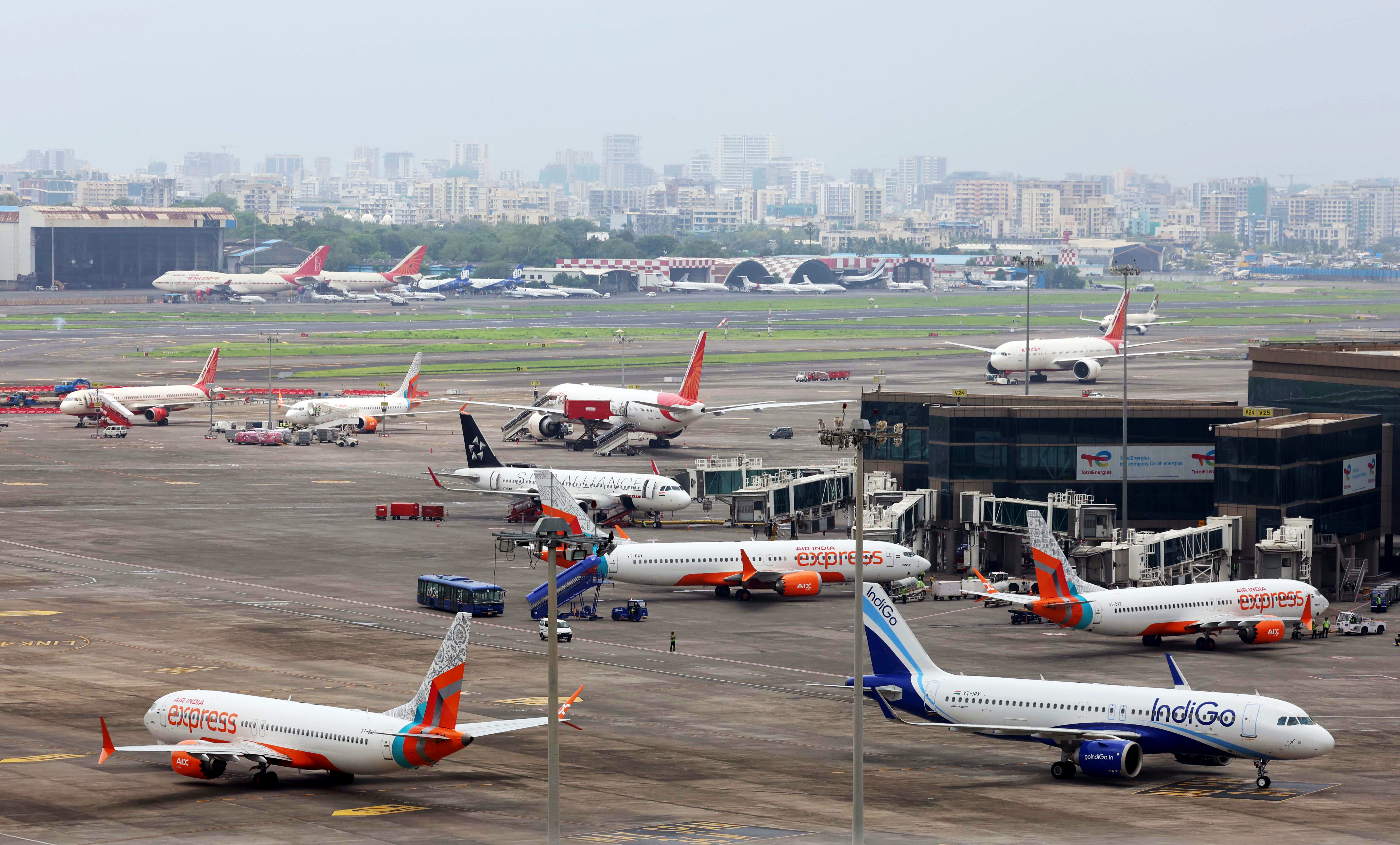
The Pakistani airspace continues to be closed to the Indian aircraft, extending a ban that has been continuously in effect since the Pahalgam attack. The previous ban that was set to expire on December 24 has been extended to January 23, 2026. India is likely to extend the ban as well.
According to the notice issued by the Pakistan Airports Authority (PAA), “Pakistan airspace will remain closed to Indian-registered aircraft, including all aircraft owned, operated, or leased by Indian airlines, as well as Indian military flights.”
This notice means that the ban has been extended for the ninth month consecutively since the four-day conflict between India and Pakistan in May. The original ban was introduced after a deadly terror attack in Pahalgam, Kashmir, on April 22, 2025, which killed 26 civilians. India took serious diplomatic measures, like suspending the Indus Waters Treaty.
Pakistan has been giving continuous NOTAM (Notice to Airmen) ever since the escalation, mentioning national security concerns and bilateral tensions as the reason for the ban. India has imposed a similar ban on Pakistan as well.
According to the Pakistan Civil Aviation Authority (PCAA) document issued in 2022, Pakistani airspace is divided into two flight information regions (FIRs), Karachi and Lahore. The continuance of the ban has resulted in Indian airlines taking longer routes, which has added to the fuel costs.
The airspace ban has had a significant impact on the aviation sector. Indian airlines have to take the longer route to avoid the Pakistani airspace, which results in longer flights and more fuel consumption. It has increased operational challenges and incurred additional costs and loss of revenue.
Pakistan, too, has suffered financial damage due to the ban. The loss of overflight fees has impacted the PAA significantly. Pakistani flights, too, have to reroute due to the ban imposed by India.
Khalid Qasid is a media enthusiast with a strong interest in documentary filmmaking. He holds a Master’s degree in Convergent Journalism from AJK MCRC. He has also written extensively on esports at Sportsdunia. Currently, he covers world and general news at NewsX Digital.
Prime Video India unveils a massive 2026 slate with 55 titles, blending streaming and theatrical…
US F-35 Hit By Suspected Iranian Fire, Makes Emergency Landing, What Really Happened Mid-Air?
A US F-35 made an emergency landing after a suspected Iranian strike during a combat…
Garima Malhotra, mother of designer Manish Malhotra, passed away peacefully at 94 in Mumbai on…
