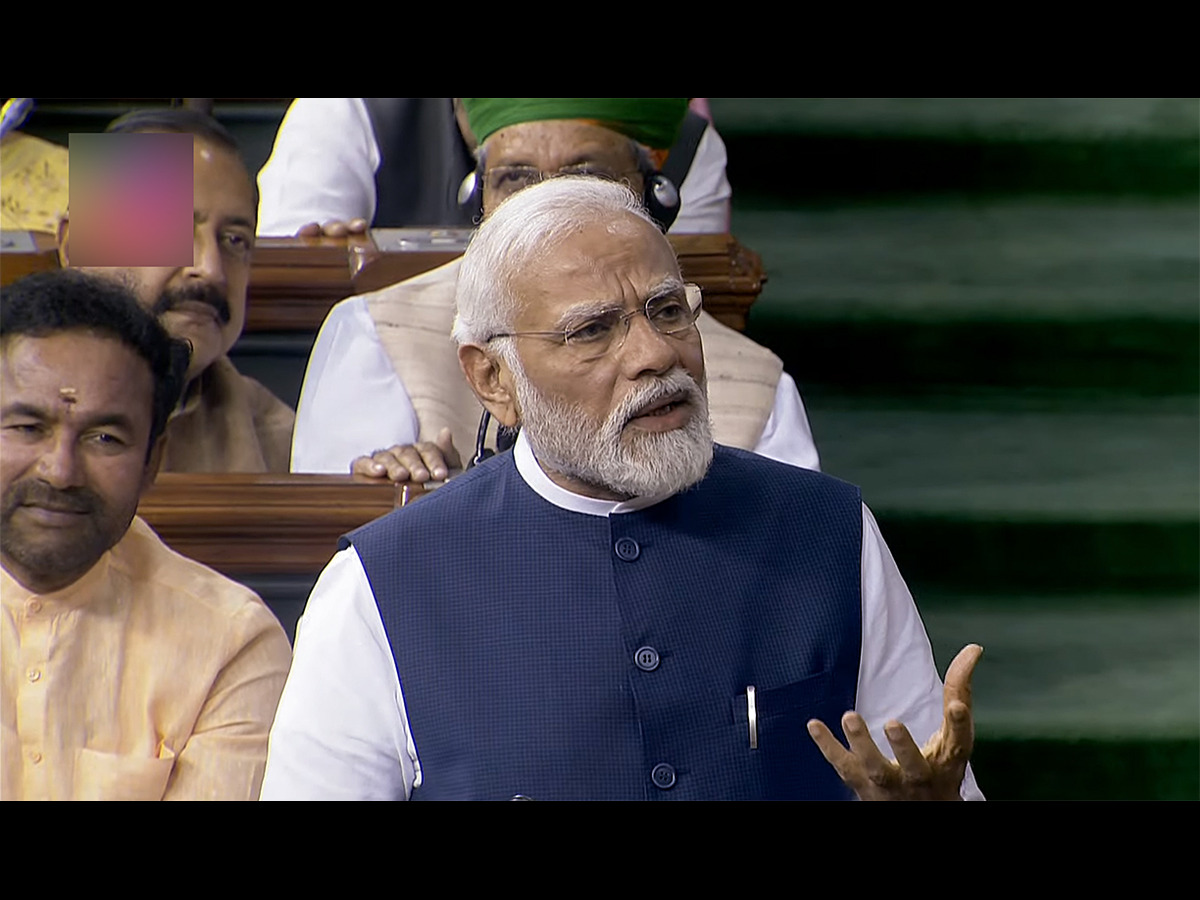
[Image Credit- X] We will respond to bullets with bombs
PM Narendra Modi has disclosed fresh insights into diplomatic interactions with the U.S. during Operation Sindoor, India’s swift retaliatory strike following the Pahalgam terror attack.
Speaking in the Lok Sabha, Modi revealed that on May 9, U.S. Vice President J.D. Vance contacted him repeatedly attempting three or more calls over nearly an hour to warn of an impending “huge” Pakistani strike against India. Modi was in a strategic meeting with armed forces during most of the attempts but returned the calls later. Upon receiving the warning, he responded sharply: “if that’s their plan, they will pay a heavy price.”
External Affairs Minister S. Jaishankar confirmed these details during a parliamentary update on July 28, underscoring the significance of real-time intelligence-sharing. He confirmed that Vance’s timely alert proved critical in thwarting the planned Pakistani operation.
PM Modi further highlighted India’s uncompromising stance: “we’ll respond to bullets with bombs,” signaling a clear shift in India’s security doctrine toward decisive proactive retaliation. He asserted that India responded to the Pahalgam attack within just 22 minutes, striking terror camps across Pakistani territory including Bahawalpur and Muridke with precision while avoiding civilian infrastructure.
Defending the operation in Parliament, Modi stressed that no world leader urged India to halt its action, reiterating that the ceasefire that followed on May 10 was requested by Pakistan alone after suffering heavy damage. The PM rejected the idea that external actors had influenced India’s strategic decisions.
India’s diplomatic and military narrative highlights a unified strategic front: swift military action post-terrorist attack, firm diplomatic messaging, and strategic intelligence sharing with allies.
The operation concluded with reported neutralization of over 100 terrorists, severe impairment to Pakistani military infrastructure, and Pakistan seeking an end to hostilities. A ceasefire was formally established on May 10, as confirmed in bilateral military communications.
India’s leadership framed Operation Sindoor as a message to both global actors and militant groups of its readiness to protect sovereignty and uphold a zero-tolerance policy toward terrorism.
Also Read:
The Coyote Flats Fire near Rockerville, Rapid City, has grown to 30–50 acres amid hot,…
Dhurandhar 2 sees Ranveer Singh as Hamza navigating Karachi’s criminal underworld in Aditya Dhar’s intense,…
Ustaad Bhagat Singh X premiered internationally before India on March 19, 2026, starring Pawan Kalyan.…
