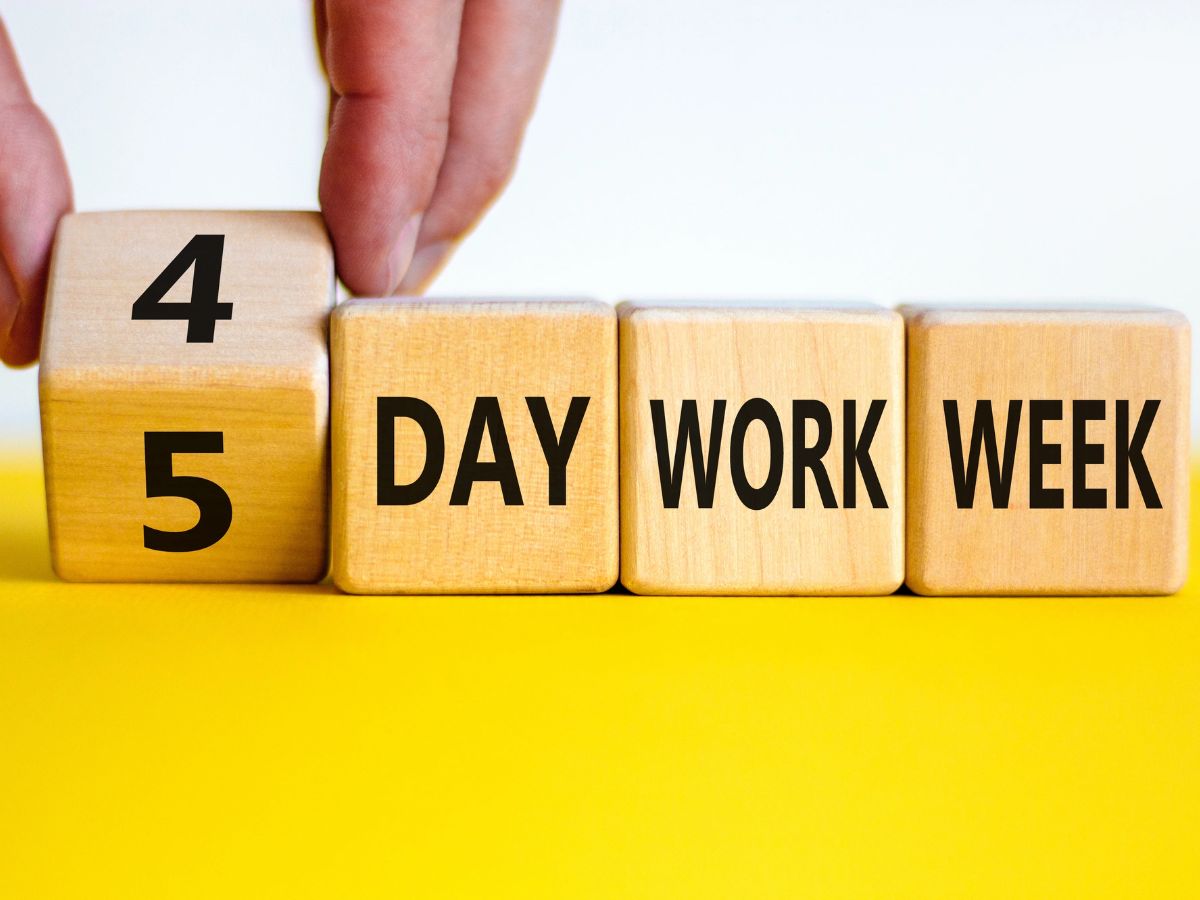
Workers went from working 40 hours a week to a 35–36-hour week, without a pay cut. (Representative Image: Pinterest)
Imagine working just four days a week! In this unique country, reduced work hours balance productivity and personal life. Citizens enjoy more leisure, family time, and reduced stress while maintaining efficiency. The model sparks global discussions on flexible working systems, redefining modern work culture and inspiring other nations to rethink traditional employment structures for healthier lifestyles.
Iceland started the four-day workweek, running a groundbreaking trial involving 2,500 public sector workers between the years 2015 and 2019. These workers went from working 40 hours a week to a 35–36-hour week, without a pay cut! The result was greater productivity, job satisfaction, and well-being for the workers. About 86% of Iceland’s workforce now has shorter hours or a right to request shorter hours, making the country an example of sustainable reform for work.
In 2022 Belgium made a four-day workweek a legal right for employees. Employees can compress a standard 38-hour workweek into four days without a pay cut, working longer hours on each of the four days as known as compressed workweek. This flexible policy is meant to support workers’ health and well-being and productivity, is not compulsory and depends on the support of employers. Furthermore, Belgium has endorsed a “right to disconnect” policy, in response to workplace burnout and the need to create real time off.
In an effort to address labor shortages brought on by stress and gender inequality issues, Japan is institutionalizing a four-day workweek. Specifically, Tokyo in 2025 is implementing a four-day workweek for public sector employees to better balance work with domestic responsibilities. The reform also seeks to bolster mental health improvement while encouraging men to contribute to household responsibilities, an issue that is challenged by a tradition of long working hours in Japan.
Portugal and Spain (and several other countries), have been setting up trials to test shorter hours, for example, companies in Portugal tested four day workweeks with an average of 33 hours in a week. Feedback from employees during the trials indicated an increase in mental health, improvement in overall job satisfaction and maintaining productivity. These trials are part of a global movement fundamentally questioning the redefinitions of work hours and jobs to advance mental health and collective well-being.
An international movement toward a four-day work week is emerging that shows rapidly shifting attitude toward productivity and health. The countries currently exploring and trialing shorter work weeks are demonstrating people can be more focused, happy, and be more economically resilient, shaping the future of work around the world.
Disclaimer: This article is for informational purposes. Work culture policies vary by country and region. Readers are advised to consult official labor sources for accurate details on employment structures.
Manisha Chauhan is a passionate journalist with 3 years of experience in the media industry, covering everything from trending entertainment buzz and celebrity spotlights to thought-provoking book reviews and practical health tips. Known for blending fresh perspectives with reader-friendly writing, she creates content that informs, entertains, and inspires. When she’s not chasing the next viral story, you’ll find her diving into a good book or exploring new wellness trends.
A drone attack on Thursday struck a major oil refinery in Kuwait, damaging a key…
Youth, a romantic comedy-drama written, directed, and led by Ken Karunaas, hit theatres on March…
A drone strike hit Kuwait’s Mina Al-Ahmadi refinery amid escalating US-Iran tensions, triggering a fire…
