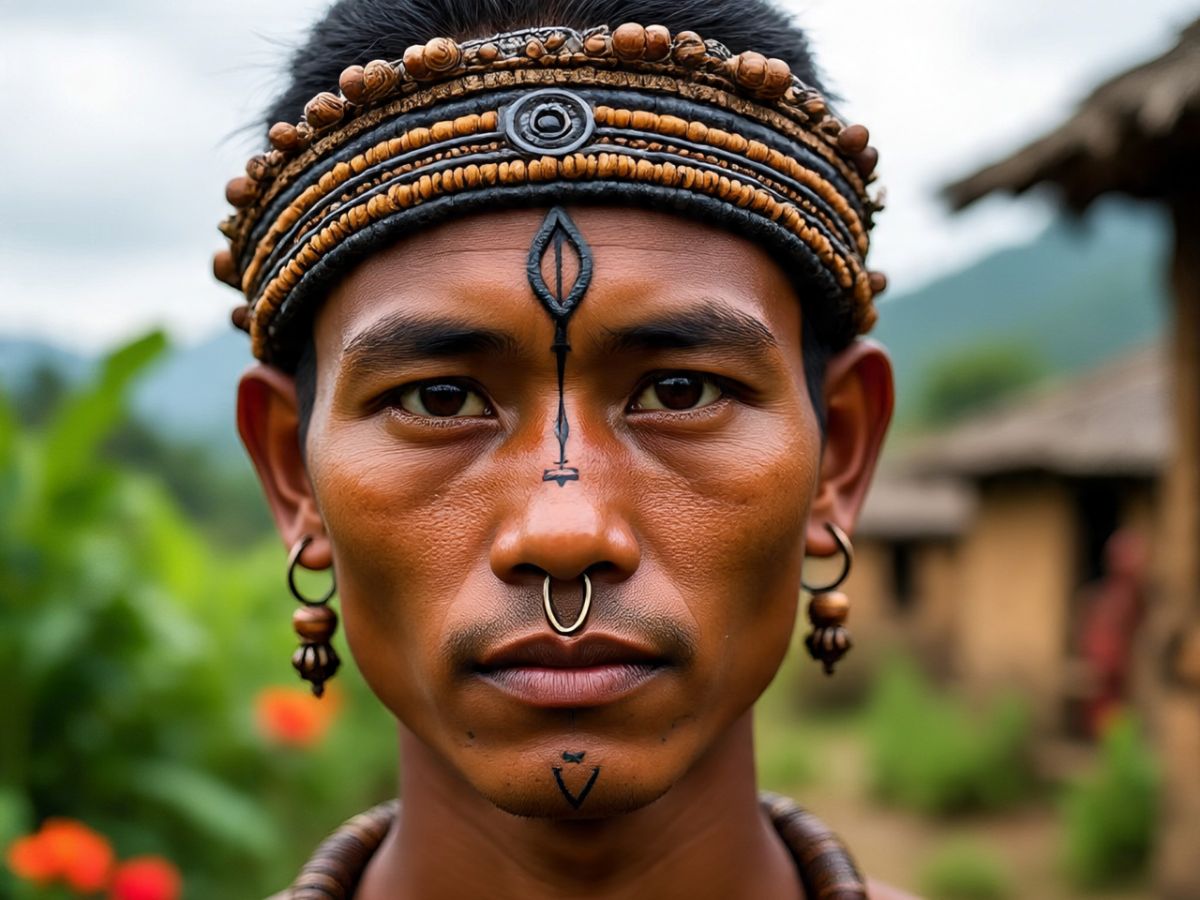
While piercings carry aesthetic parts for tribal cultures, they are also potent symbols connected to things like identity, customs and beliefs.
Piercings represent stages of life – coming of age, marriage, spiritual awakening etc – in however many tribes and cultures of the world. An example, for the Maasai, in East Africa, stretched earlobes can convey esteem for beauty, maturity, and social hierarchy. From Amazonian tribes, lip plates denote meaning around leadership and connection with ancestors. Most piercing rituals include elements of pain and endurance suggesting strength, courage, and transformation that embrace the individual with community and the divine.
Piercings are physical expressions of tribal identity and heritage. They signify social rank, marital status, or clan affiliations. For example, in South Asia, nose piercings may be embedded in rituals and Ayurvedic traditions, symbolizing femininity and fertility, or ear piercings may denote family or regional heritage. They also contribute to cultural continuity and a sense of belonging among the tribe.
Some tribes also thought that piercings provided some sort of spiritual or health protection. For example, some believed that certain piercings on the face warded off evil spirits, or provided balance among wherever energy centers existed in the body. Even in Ayurvedic medicine, piercing of the nose was reminiscent of reproductive health and easing childbirth. Therefore, piercing often has references toward holistic wellness, beyond just simply adorning the body.
While piercings were based on ancient customs, the processes of piercing are undergoing changes, when found in contemporary indigenous and diaspora peoples who practice as acts of cultural pride and resistance. Moreover, the piercing of the body sits at the intersection of tradition and modernity as a form of self-expression that connects with a broader understanding of identity—untethered to traditional practices and rituals—which may anchor one’s fearlessness and empowerment belonging in a modern context, amidst a global landscape.
In sum, piercings in tribal cultures mark extreme markers of identity, spiritual identity, and social order–and are much more than decoration; they become living cultural legacies that connect generations in the past, present, and into the future.
Disclaimer: Cultural interpretations may differ across communities. This article aims to inform and promote respect without stereotyping. Readers should approach traditions with sensitivity and not generalize beliefs. Not professional anthropological advice.
Vani Verma is a content writer with over 2 years of experience in lifestyle, entertainment, health and digital media. She has a knack for creating engaging and research-driven content that resonates with readers, blending creativity with clarity. Passionate about media trends, culture, and storytelling, she strives to craft content that informs, inspires, and connects.
Dhurandhar: The Revenge releases March 19 with Ranveer Singh returning as Hamza. The big twist…
India vs Pakistan Set For Blockbuster Battle in FIH Hockey World Cup 2026 Group Stage
India face a tough Pool D at the FIH Hockey World Cup 2026 against Pakistan,…
Liverpool hosts Galatasaray at Anfield for the second leg of the Champions League Round of…
