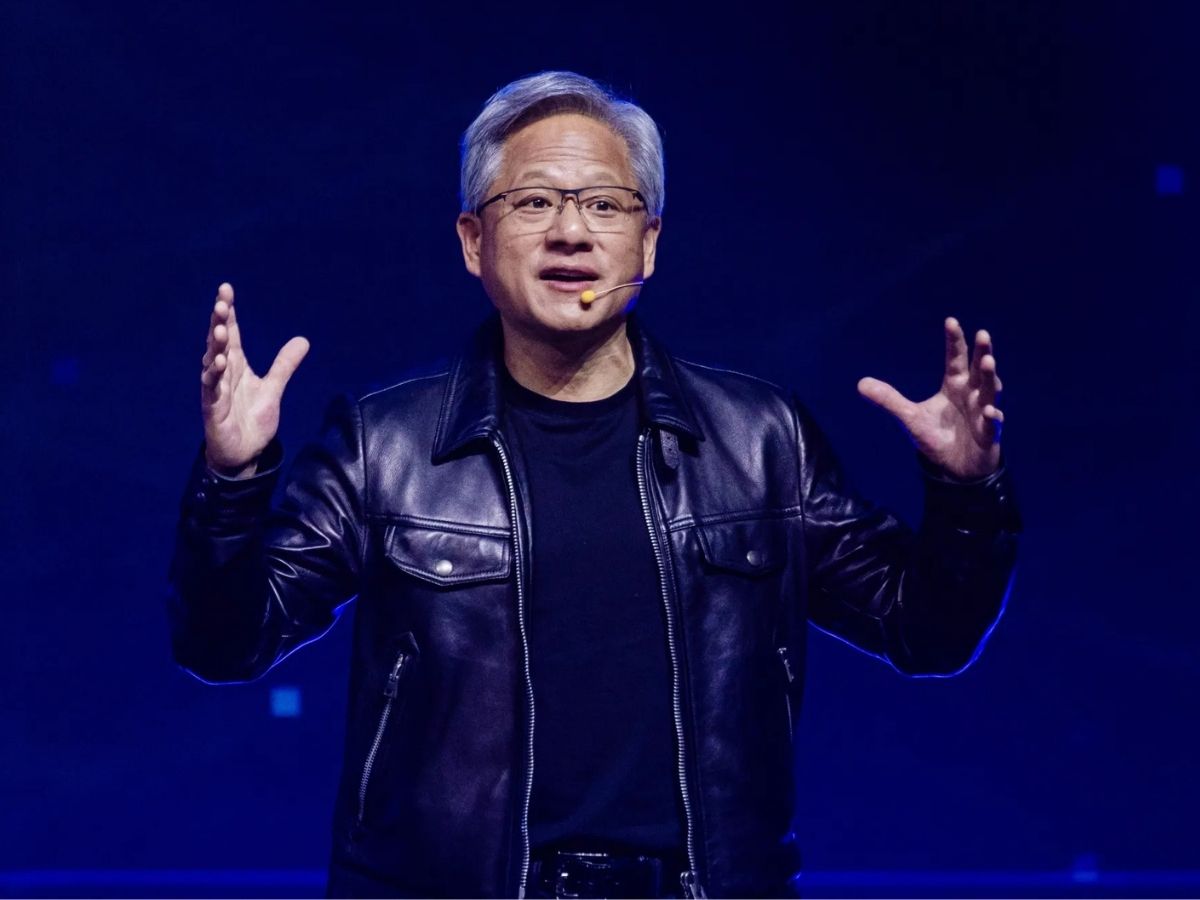
Nvidia CEO Jensen Huang to visit China on July 16 despite US export restrictions. Huang downplays military concerns, defends China ties, and highlights Nvidia’s dependence on Chinese AI market.
Nvidia CEO Jensen Huang is set to visit China for the second time this year, with a scheduled media briefing in Beijing on July 16, even as tensions remain high between the U.S. and China over AI chip exports. Ahead of his trip, Huang played down U.S. concerns, saying Chinese military use of American tech was unlikely due to reliability issues.
Speaking to CNN, Huang said that “We don’t have to worry about” China’s military using Nvidia’s technology because “they simply can’t rely on it.” Huang’s remarks come as Nvidia continues to face additional scrutiny by U.S. lawmakers regarding its business activities in China.
Just days before Huang’s visit, a bipartisan group of U.S. senators sent him a letter requesting that he avoid meetings with companies linked to Chinese military or intelligence agencies. They also advised him not to engage with entities listed under the U.S. export restrictions list.
This reflects growing concern in Washington about the potential misuse of AI chips for surveillance and military development by China.
Despite the political pressure, China remains a key market for Nvidia. The company’s latest annual report revealed that China accounted for $17 billion, or 13% of its total revenue for the fiscal year ending in January.
Huang has consistently described China as essential for Nvidia’s long-term growth. During his previous visit in April, he stressed the importance of the Chinese market and hinted at efforts to tailor specific AI products for the region.
Reports suggest that Huang may offer more details in Beijing about a new chip designed specifically for China, a workaround following the ban on the H20 chip the most advanced AI chip the U.S. had allowed Nvidia to sell to Chinese clients before it too was banned.
Since 2022, the U.S. government has increased restrictions on exports of AI chips to China, citing national security and military application concerns. So too the ban on Nvidia’s H20 chip (earlier this year) was less than kind to the chipmaker.
Simultaneously, Chinese tech giants are developing alternatives as quickly as they can to reduce reliance on U.S. based GPU makers like Nvidia. Nvidia’s CUDA platform, which remains largely dominant in AI training, creates a naturally high demand for (accelerated) processors from Chinese firms as they have few alternatives.
Regardless of geopolitical challenges and rising tensions, Nvidia’s market performance remains strong, and last week the company’s market capitalization reached more $4 trillion, undoubtedly confirming its unique place in the global AI race.
Both Huang’s anticipation and the visit to Beijing are being examined as indications of how Nvidia will strike a balance in continuing to comply with U.S. laws and regulations governing the technology while maintaining and growing its business in China, often described as the biggest technology market in the world.
ALSO READ: Why Nvidia CEO Jensen Huang Defied US Warnings And Traveled To China?
Dhurandhar 2 sees Ranveer Singh as Hamza navigating Karachi’s criminal underworld in Aditya Dhar’s intense,…
Ustaad Bhagat Singh X premiered internationally before India on March 19, 2026, starring Pawan Kalyan.…
Iran struck South Pars and blamed a US-Israel role, warning Gulf nations of retaliation. Ras…
